Endometriosis: Symptoms & Diagnosis
Healthy View

Written by: Joanne Ukposidolo, Registered Physiotherapist and Certified Pelvic Health Specialist, Adelaide Health Clinic
What is Endometriosis?
Endometriosis is a chronic inflammatory condition where tissue similar to the endometrium (the lining of the uterus) grows outside the uterus. These growths, called lesions or implants, commonly appear on the ovaries, fallopian tubes, the outer surface of the uterus, and other pelvic organs. They can also appear outside the pelvis, i.e. within the lungs and diaphragm. Unlike the normal endometrial lining, which sheds during menstruation, these implants have nowhere to exit, leading to inflammation, adhesions, scarring, and pain.
Signs and Symptoms
The most common symptom of endometriosis is pelvic pain, which often worsens during menstruation. However, pain levels do not always correlate with disease severity. Other symptoms include:
- Severe menstrual cramps (dysmenorrhea)
- Chronic pelvic pain (even outside of periods)
- Painful intercourse (dyspareunia)
- Pain during bowel movements or urination
- Lower back, abdominal, or chronic pelvic pain
- GI; diarrhea, constipation & nausea
- Heavy or irregular menstrual bleeding
- Bloating (often called “endo belly”)
- Fatigue and personality changes
- Infertility or difficulty conceiving
- Cyclical pain (chest, shoulder, etc.)
Prevalence
Endometriosis affects an estimated 1 in 10 individuals assigned female at birth, or approximately 190 million people worldwide. It is most commonly diagnosed in reproductive-age individuals (15–49 years old), though symptoms can begin as early as adolescence. It is the leading cause of infertility, with 25-50% of women experiencing infertility also having endometriosis. As symptoms of endometriosis resemble gynecological and gastrointestinal conditions, it is often underdiagnosed or misdiagnosed, with an average diagnostic delay of 7 to 10 years.
Diagnosis of Endometriosis
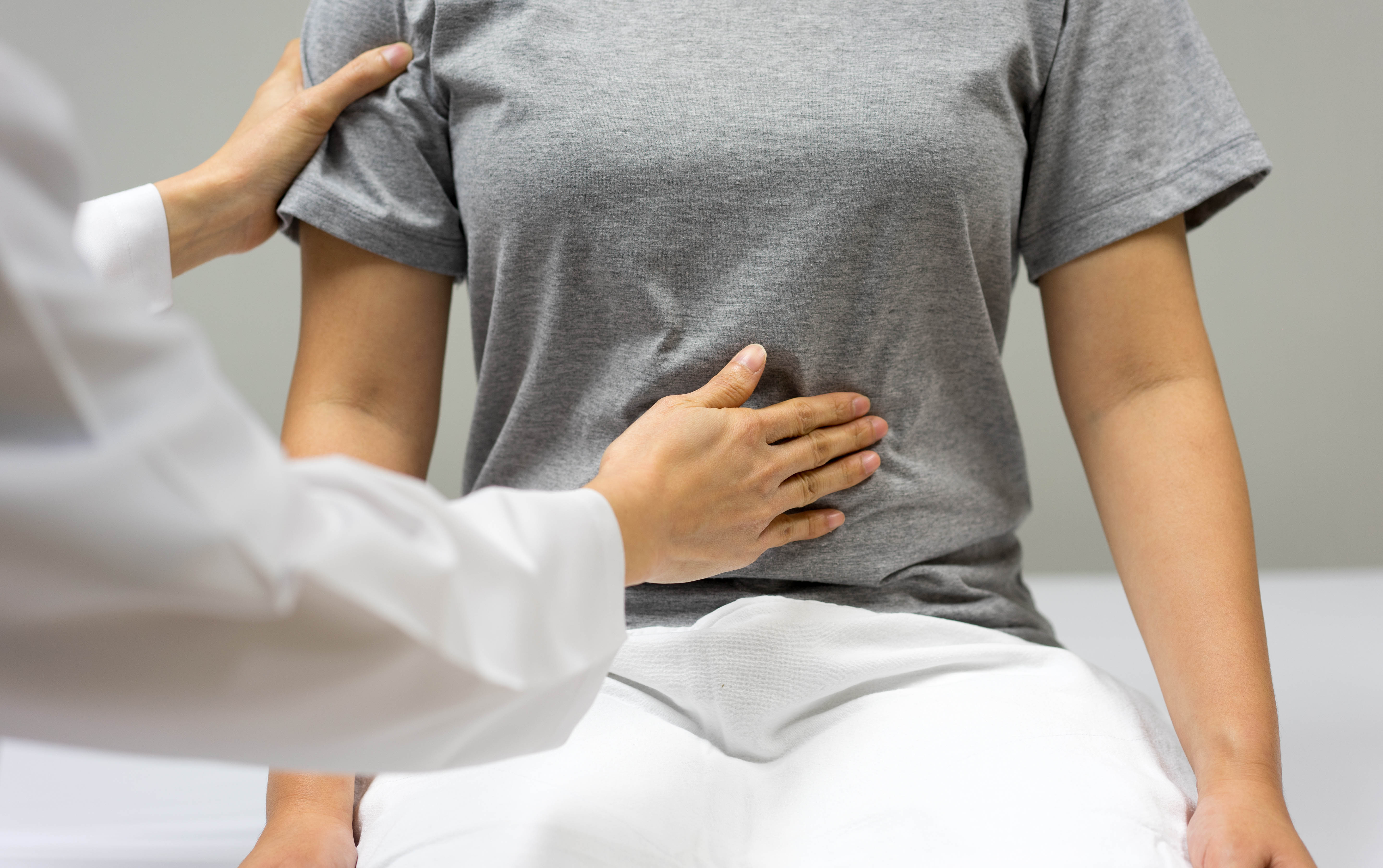
Diagnosing endometriosis can be challenging due to its varied symptoms and overlap with other conditions. According to the European Society of Human Reproductive and Embryology (ESHRE, 2022), clinicians such as Gynecologists, Primary Care Physicians, Reproductive Endocrinologist, etc. may consider endometriosis a potential diagnosis in individuals experiencing both cyclical and non-cyclical symptoms. The process of diagnosis typically involves the following steps:
Clinical History and Symptom Assessment
A healthcare provider will ask about symptoms, which may include
- Pelvic pain (cyclical or non-cyclical)
- Dysmenorrhea (painful periods)
- Dyspareunia (pain during intercourse)
- Dyschezia (painful bowel movements)
- Dysuria (painful urination)
- Fatigue
- Infertility
Physical Examination
A pelvic exam may be performed to check for:
- Tenderness in the pelvic area
- Presence of nodules or masses
- Uterine or ovarian abnormalities
Imaging Studies
- Transvaginal or transabdominal ultrasound: Can detect ovarian endometriomas (chocolate cysts) and deep infiltrating endometriosis.
- MRI (Magnetic Resonance Imaging): Used for detailed visualization, particularly in cases of deep infiltrating endometriosis.
Empirical Treatment Approach
-
If symptoms strongly suggest endometriosis, clinicians may offer empirical treatment with hormonal therapy (e.g., combined oral contraceptives, progestins, or GnRH agonists) before pursuing invasive diagnostic procedures.
Laparoscopy (Previously the Gold Standard)
- Laparoscopy with biopsy remains the most definitive way to diagnose endometriosis but is now primarily reserved for cases where imaging is inconclusive or when symptoms persist despite treatment.
- During the procedure, a surgeon inserts a camera into the abdomen to directly visualize endometrial-like tissue and may take a biopsy for confirmation.
Causes and Cure for Endometriosis
The exact cause of endometriosis is unknown; however, genetics, immune dysfunction, and hormonal factors may play a role. Currently, there is no known cure for endometriosis. Although surgical interventions such as hysterectomy, laparoscopy, or hormonal therapies may decrease symptoms, there is no known cure for endometriosis.
Multidisciplinary Care & Symptom Management
Because endometriosis affects multiple systems (pelvic floor, digestion, mental health, and beyond), an interdisciplinary approach is crucial. At Adelaide Health Clinic, patients may benefit from the following within the Women's Health Program:
- Pelvic Health Physiotherapy
- Naturopathic Medicine
- Psychotherapy
- Massage Therapy
Although the above disciplines cannot diagnose endometriosis, we can play an extremely supportive role in recognizing symptoms and guiding you towards appropriate medical care.
Don’t guess, get assessed!
If you are experiencing signs and symptoms of endometriosis, connect with our providers and schedule a 15-minute consultation or an initial assessment. Let’s start the journey towards navigating this complex and often misunderstood condition!

About the Author
Joanne Ukposidolo is a Registered Orthopaedic Physiotherapist and Certified Pelvic Health Therapist. With over a decade of experience, Joanne has a passion for educating, managing and treating symptoms of reproductive health issues such as Endometriosis and Uterine Fibroids in addition to Dyspurenia, Pregnancy, Postpartum care, Menopause and beyond. One of her goals in life is to create a positive, direct, and generational impact by empowering individuals to have a healthy relationship with their pelvic and reproductive health. With cultural sensitivity and an evidence-informed lens, Joanne believes in keeping up to date with best practices and believes that community and a biopsychosocial approach are key in the comprehensive understanding and management of an individual’s health.
Want more information regarding pelvic health?
Book a 15 min complimentary consultation with Joanne Ukposidolo, Registered Physiotherapist and Certified Pelvic Health Specialist. We want you to thrive, not just survive!
Disclaimer
This blog post is for informational purposes only and is not intended to diagnose, treat, or replace medical advice from a qualified healthcare professional. As a pelvic health physiotherapist, my role is to support individuals in managing pelvic pain and related symptoms, but endometriosis can only be diagnosed by a medical doctor, such as a gynecologist.
If you suspect you have endometriosis or are experiencing persistent pelvic pain, I strongly encourage you to consult with your physician or a specialist for a thorough evaluation and appropriate medical care. Always seek professional medical advice before making any health-related decisions.
References
Becker, C. M., Bokor, A., Heikinheimo, O., Horne, A., Jansen, F., Kiesel, L., King, K., Kvaskoff, M., Nap, A., Petersen, K., Saridogan, E., Tomassetti, C., van Hanegem, N., Vulliemoz, N., Vermeulen, N., & ESHRE Endometriosis Guideline Group (2022). ESHRE guideline: endometriosis. Human reproduction open, 2022(2), hoac009. https://doi.org/10.1093/hropen/hoac009
European Society of Human Reproduction and Embryology (ESHRE). (2022). ESHRE guideline: Endometriosis (February 2022). ESHRE. https://www.eshre.eu/guideline/endometriosis
5834