10 Ways Pelvic Health Physiotherapy Can Help with Endometriosis
Healthy View

Written by: Joanne Ukposidolo, Registered Physiotherapist and Certified Pelvic Health Specialist, Adelaide Health Clinic
Endometriosis is more than just painful periods - it’s a chronic condition that can deeply impact daily life, mobility, and overall well-being. While medical treatments like hormone therapy and surgery play an important role, pelvic health physiotherapy can be a game-changer in managing symptoms, improving function, and reducing pain.
Below are various ways pelvic health physiotherapy can support people living with endometriosis:
Pelvic Floor Muscle Relaxation
Chronic pain often leads to pelvic floor muscle tension, which can make pain worse over time. A pelvic physiotherapist can assess and guide gentle relaxation exercises, breathing techniques, and manual therapy to ease tight muscles and reduce discomfort.
Myofascial Release & Manual Therapy
Endometriosis can cause muscle tightness, restricted mobility, and adhesions in the abdomen and pelvis. Techniques like internal and external myofascial release help loosen fascia, improve circulation, and relieve pain.
Scar Tissue Mobilization
After laparoscopy or other surgeries, scar tissue can cause stiffness, pulling sensations, and discomfort. Physiotherapists use gentle hands-on techniques to improve flexibility, restore movement, and reduce pain.
Visceral Mobilization
Endometriosis-related adhesions can limit the mobility of internal organs like the uterus, bladder, and intestines, leading to bloating, pressure, and pain. Visceral mobilization helps restore normal movement and ease these symptoms.
Pain Management Strategies
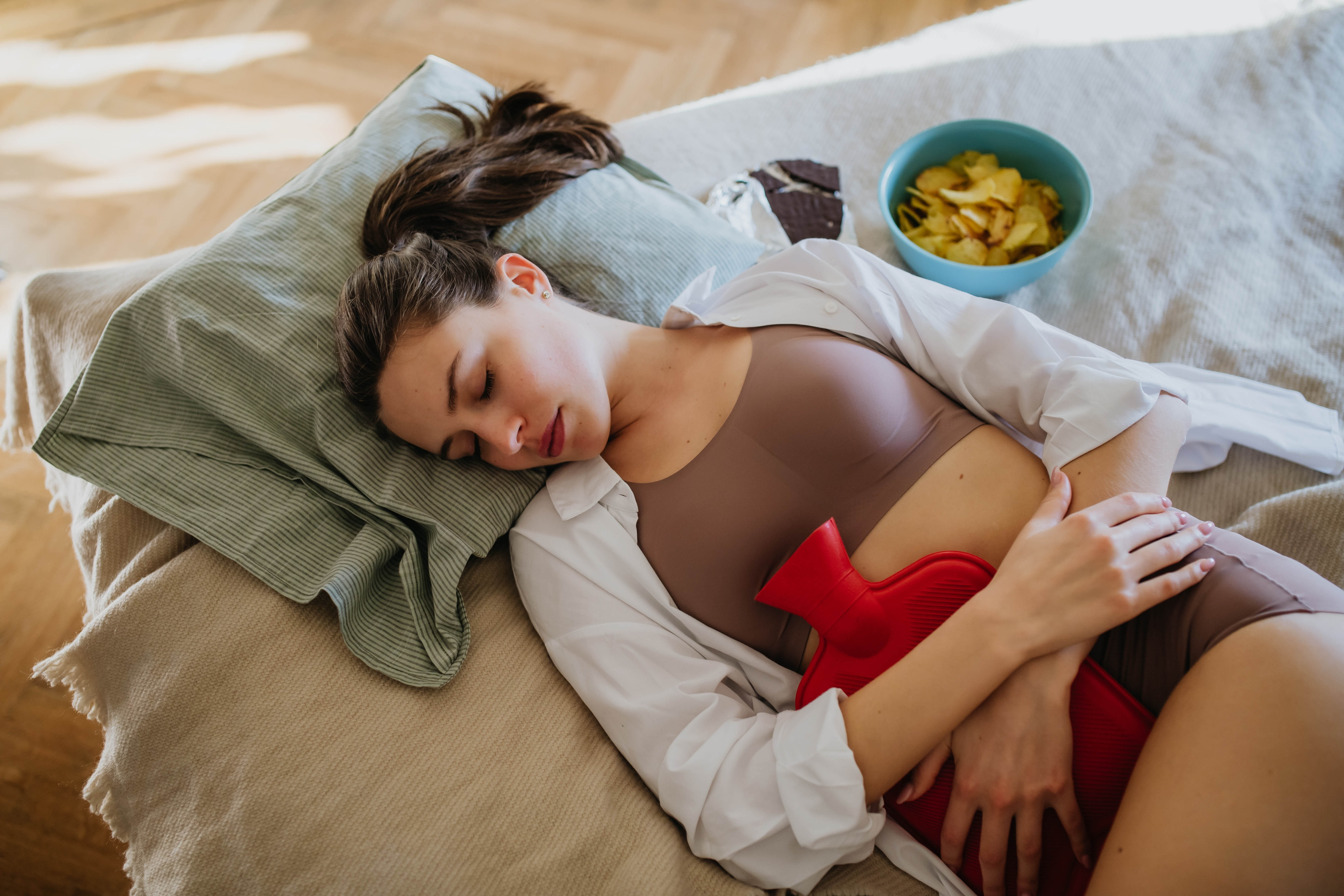
Physiotherapists use a range of tools to calm the nervous system and manage pain, including:
- TENS (Transcutaneous Electrical Nerve Stimulation)
- Heat therapy
- Breathing & relaxation techniques
- Mind-body approaches
Bowel & Bladder Dysfunction Support
Endometriosis often affects bowel and bladder function, leading to:
- Constipation
- Painful bowel movements
- Urinary urgency or bladder pain
Pelvic physiotherapy can provide abdominal massage (like the "I Love You" massage), relaxation exercises, and hydration/dietary strategies to help.
Improving Sexual Health & Reducing Painful Intercourse
Pelvic floor tension can make penetration painful. Physiotherapy can help by:
- Teaching pelvic floor relaxation techniques
- Using dilators and desensitization therapy
- Recommending comfortable positions and pacing strategies
Core & Postural Training
A strong core and proper posture can reduce strain on the pelvis and lower back. Physiotherapists provide gentle strengthening exercises to improve stability, movement, and pain levels.
Nervous System Regulation & Stress Reduction
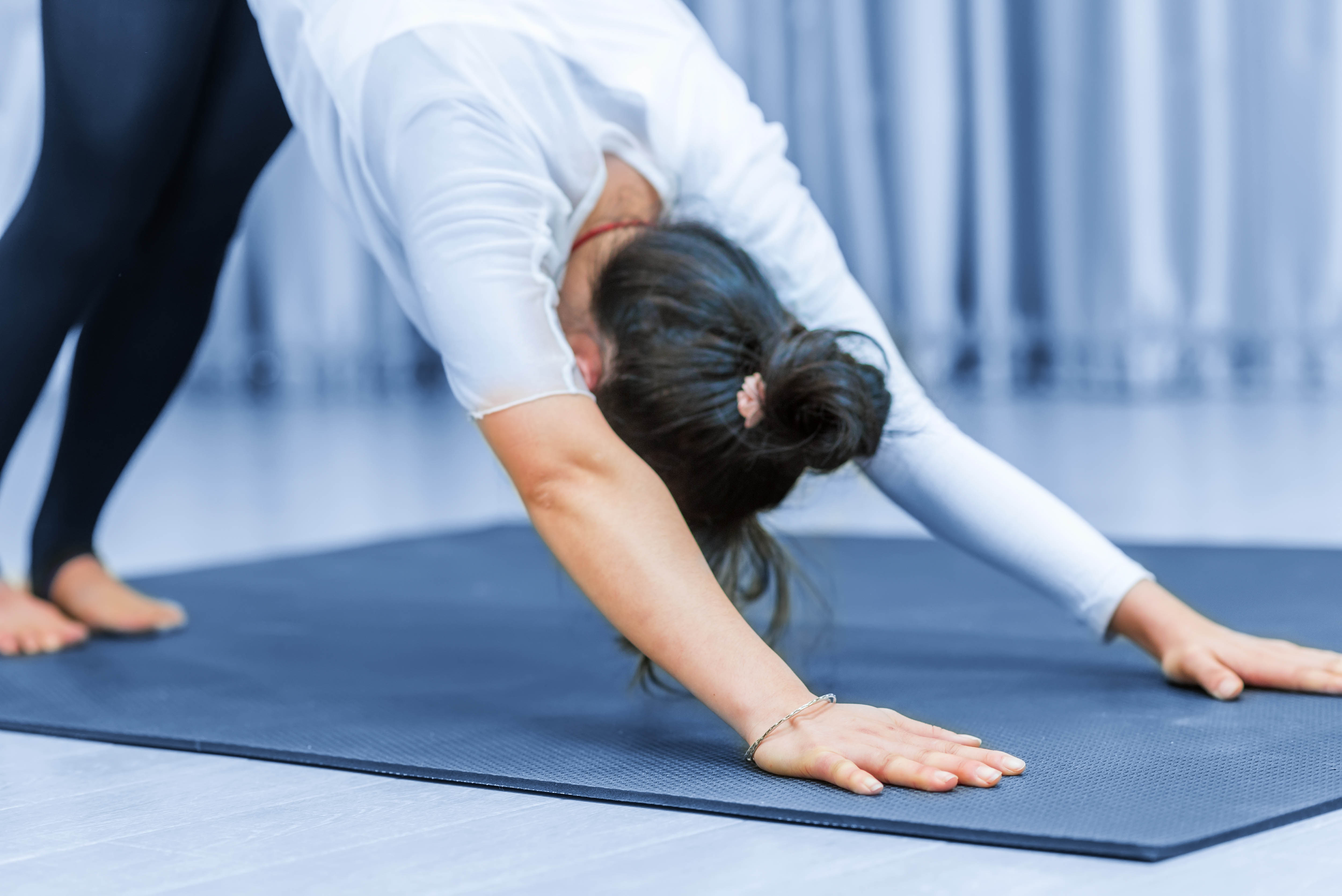
Chronic pain amplifies stress responses, making pain feel worse. Physiotherapy helps with:
- Diaphragmatic breathing
- Mindfulness-based movement
- Gentle mobility exercises
Education & Empowerment
Understanding how endometriosis affects the body is key. Physiotherapists help you learn:
- How pain pathways work
- How to manage flare-ups
- Self-care techniques for home
Pelvic health physiotherapy is an evidence-based, whole-body approach that helps people with endometriosis regain control over their bodies, reduce pain, and improve quality of life.
Don’t guess, get assessed!
If you are experiencing signs and symptoms of endometriosis, connect with our providers and schedule a 15-minute consultation or an initial assessment. Let’s start the journey towards navigating this complex and often misunderstood condition!

About the Author
Joanne Ukposidolo is a Registered Orthopaedic Physiotherapist and Certified Pelvic Health Therapist. With over a decade of experience, Joanne has a passion for educating, managing and treating symptoms of reproductive health issues such as Endometriosis and Uterine Fibroids in addition to Dyspurenia, Pregnancy, Postpartum care, Menopause and beyond. One of her goals in life is to create a positive, direct, and generational impact by empowering individuals to have a healthy relationship with their pelvic and reproductive health. With cultural sensitivity and an evidence-informed lens, Joanne believes in keeping up to date with best practices and believes that community and a biopsychosocial approach are key in the comprehensive understanding and management of an individual’s health.
Want more information regarding pelvic health?
Book a 15 min complimentary consultation with Joanne Ukposidolo, Registered Physiotherapist and Certified Pelvic Health Specialist. We want you to thrive, not just survive!
Disclaimer
This blog post is for informational and educational purposes only. As a pelvic health physiotherapist, my role is to support individuals in managing pelvic floor dysfunction and symptoms related to conditions like endometriosis. However, pelvic floor physiotherapy does not diagnose or cure endometriosis. A definitive diagnosis can only be made by a medical doctor, such as a gynecologist, through appropriate medical assessment and testing.
The strategies discussed in this post are intended to help manage symptoms associated with endometriosis but should not replace medical advice, diagnosis, or treatment. If you are experiencing persistent pelvic pain or suspect you have endometriosis, please consult a qualified healthcare provider for a comprehensive evaluation and personalized care plan.
5199