Navigating Musculoskeletal Shifts in Midlife
How Physiotherapy Eases Joint Pain, Stiffness, & Mobility Loss
Aging often brings joint stiffness, lingering aches and limited mobility, yet many dismiss these issues as normal and rely on pain medication for relief.
Midlife physical discomfort is not unavoidable. Physiotherapy offers drug-free, personalized rehabilitation to ease tension and restore mobility. Just as hormone fluctuations before and during menopause bring physical discomfort, age-related wear on muscles, joints and soft tissue causes aches and stiffness that targeted physiotherapy can easily ease.
What Causes Midlife Joint & Mobility Discomfort?
Three core biological shifts drive the stiffness, pain and weakness you feel after 40, and physiotherapy targets each root cause rather than masking symptoms:
- Gradual muscle mass loss (sarcopenia)
Hormonal changes slow muscle protein production year over year. Weak glutes, quadriceps and core muscles remove critical support from knees, hips and the spine. Even mild muscle deficit creates uneven joint pressure, triggering chronic ache with standing, walking or bending.
- Cartilage & fascial tissue tightening
Decades of repetitive movement, sedentary routines and mild inflammation thicken fascia and thin joint cartilage. This creates that classic “rusty joint” sensation first thing in the morning or after sitting for long stretches.
- Nerve sensitivity & postural strain
Long hours sitting at a desk, constant caregiving duties, and untreated small injuries make you move your body in unnatural ways. Your neck, lower back and pelvic muscles stay tight over time, worsening pain and making it harder to move freely.
Crucially, these changes happen slowly, so many patients delay care until simple tasks — grocery shopping, playing with grandchildren, hiking — become overwhelming. Waiting often turns manageable stiffness into persistent chronic pain.

How Physiotherapy Addresses Midlife Musculoskeletal Concerns
Our treatment framework combines hands-on manual care, targeted therapeutic movement and supportive soft tissue techniques we offer in-clinic, including K-taping and therapeutic cupping. Every plan is tailored to your activity level, pain threshold and long-term wellness goals.
1. Comprehensive Functional Assessment
Your first physiotherapy session moves far beyond checking your sore joint. We evaluate gait, balance, spinal alignment, muscle strength imbalances and daily movement habits that worsen discomfort. This differential assessment lets us pinpoint whether your pain stems from weak stabilizers, tight fascia, joint restriction or nerve irritation — no generic one-size-fits-all stretches.
2. Hands-On Manual Therapy & Soft Tissue Modalities
Our registered physiotherapists use gentle joint mobilization, myofascial release and targeted pressure work to release years of built-up tissue tension. For persistent inflammation and tight muscle knots, we integrate two popular evidence-supported treatments:
- Therapeutic Cupping: Boosts local blood flow to stiff hips, shoulders and lower backs to reduce swelling and ease chronic ache
- K-Taping Application: Supports weak joints during daily movement, reduces overstrain and prolongs relief between clinic visits
These drug-free modalities cut reliance on pain relievers while accelerating tissue recovery.
3. Progressive Strengthening
Exercises advance slowly, matching your capacity week over week, to improve balance, cut fall risk and take pressure off worn cartilage.
4. Customized Home Care & Lifestyle Guidance
A core part of our holistic approach is empowering you to manage symptoms independently between appointments. We design short, daily home exercise routines (10–15 minutes only) alongside simple posture adjustments for desk work, sleep positioning tips and gentle mobility stretches to relieve morning stiffness. We also flag daily habits that silently worsen joint strain, from improper footwear to sedentary screen routines.
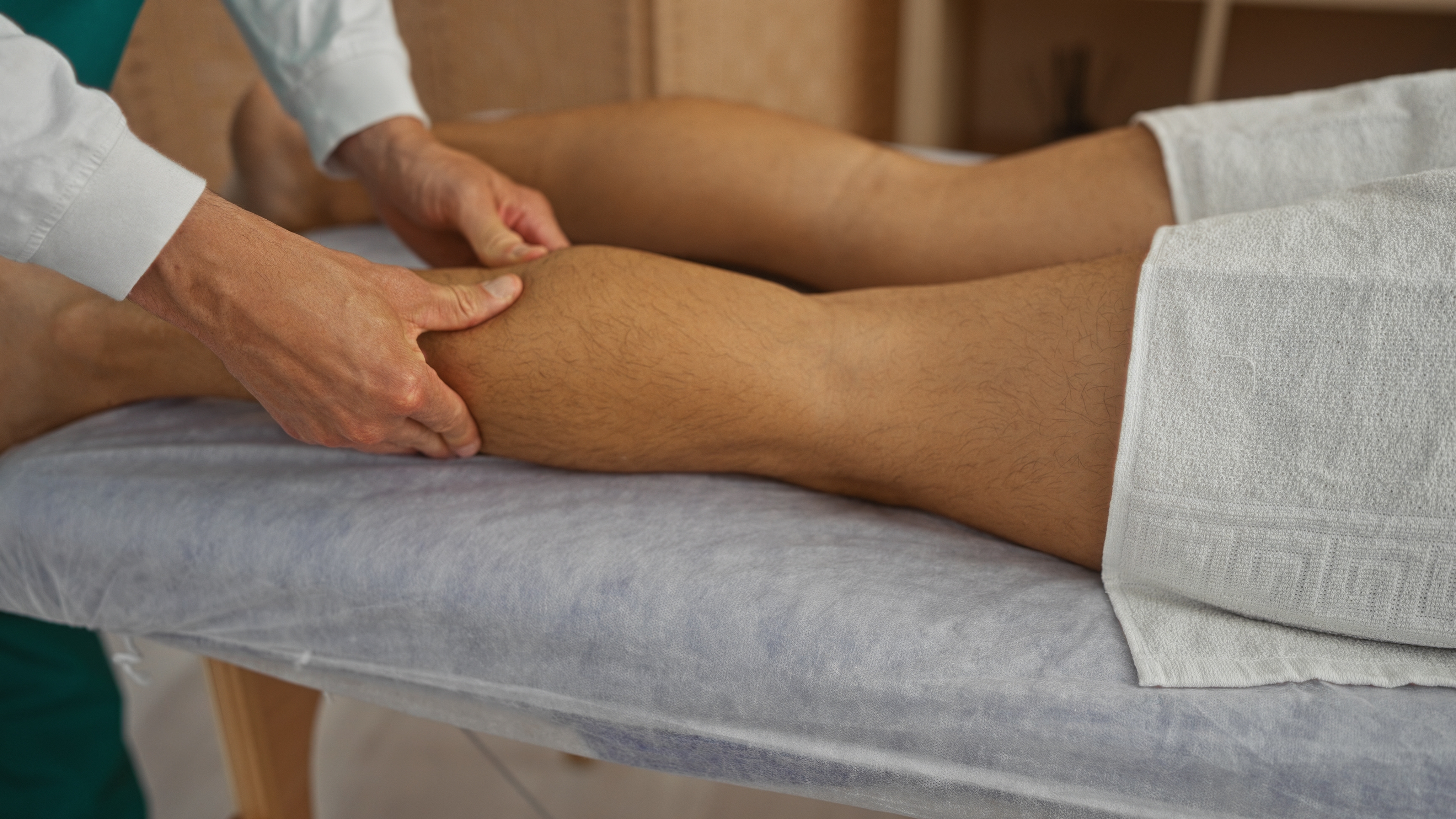
Real-World Outcomes of Targeted Midlife Physiotherapy
Many people resign themselves to limited mobility and recurring joint discomfort, mistakenly believing stiffness, soreness and reduced movement are inevitable parts of aging. Evidence-backed physiotherapy solutions including manual soft tissue therapy, stabilization exercises and therapeutic cupping reliably create sustainable physical improvements.
This holistic rehabilitation approach addresses the core muscular, fascial and joint restrictions that trigger discomfort, instead of only temporarily easing surface-level pain. Consistent, personalized rehab rebuilds supportive muscle strength, relieves chronic inflammatory tightness and restores full range of motion, enabling people to carry out daily routines and beloved activities free from persistent aches and sleep-disturbing tension.
Signs It’s Time to Seek Physiotherapy Support
Consider consulting a registered physiotherapist if you regularly experience any of the following persistent symptoms:
Morning joint stiffness that lasts 30 minutes or longer most days
Lingering pain in the knees, hips or lower back that flares up while walking, climbing stairs or completing household tasks
Chronic tightness in the neck and shoulders that disrupts restful sleep
Noticeable unsteadiness during movement or ongoing anxiety about falling
Reliance on daily pain relief medication to complete ordinary daily activities
Wrap-Up
Midlife brings many meaningful new chapters, and persistent musculoskeletal discomfort shouldn’t hold you back from enjoying daily life and your favourite activities. Much like tailored support eases hormonal changes during menopause, personalized physiotherapy offers gentle, long-lasting relief for age-related shifts in muscles, joints and soft tissue.
Everybody’s physical transition looks different, and there is no need to accept ongoing stiffness or pain as an unavoidable part of growing older. With targeted manual therapy, stabilization training, cupping and k-taping techniques, physiotherapy focuses on healing the root of discomfort rather than masking symptoms. By prioritizing consistent, individualized movement care, you can gradually regain pain-free mobility, improve balance and sleep more comfortably long-term.
If you’ve been living with recurring joint aches, stiffness or limited movement, exploring physiotherapy support is a valuable step toward better physical well-being. Taking proactive care of your musculoskeletal health lets you move through midlife with greater ease and confidence.
502