The Connection Between Frozen Shoulder and Menopause
How Menopause plays a Role
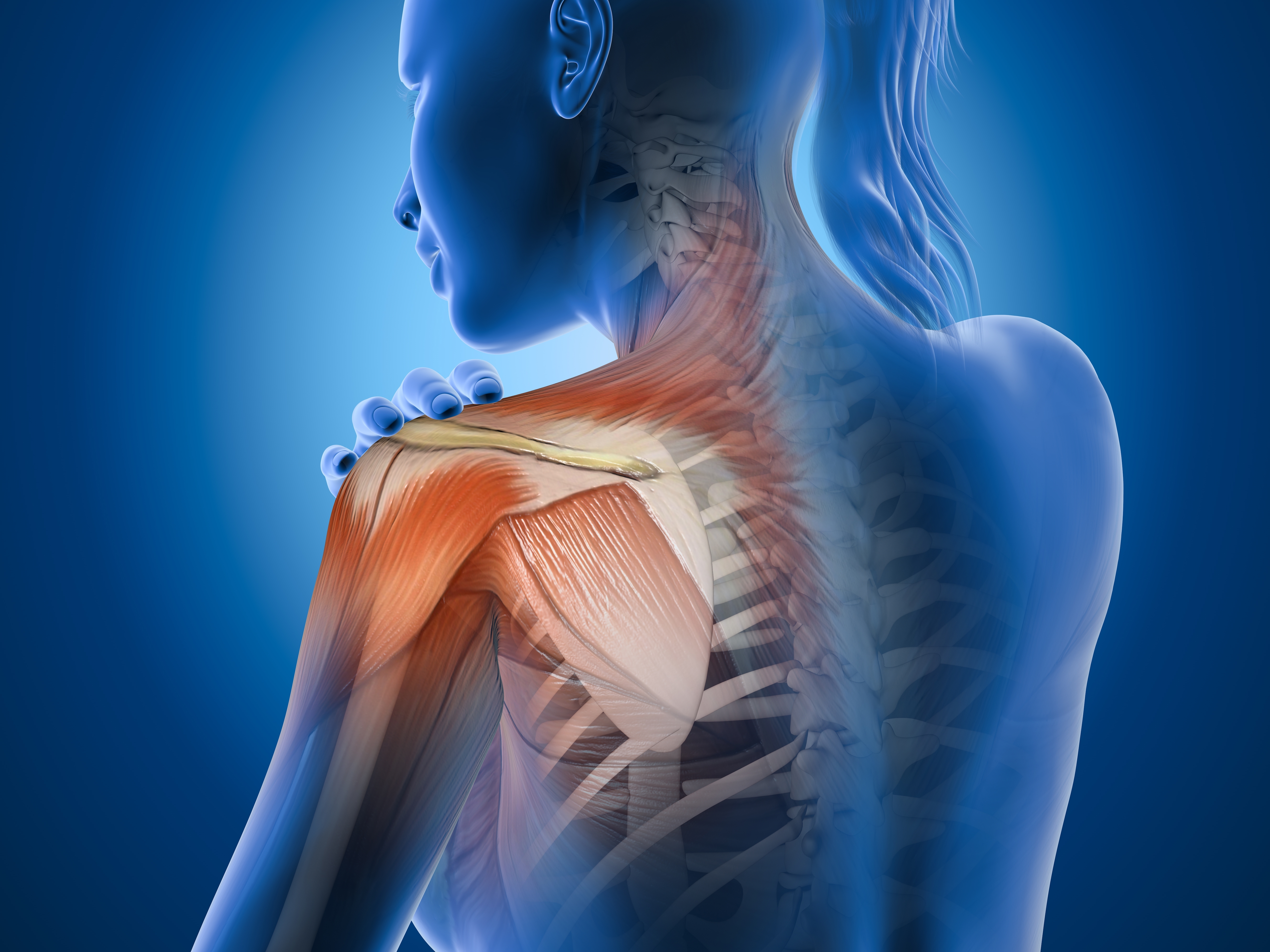
.jpg "Individual experiencing shoulder discomfort and restricted movement, a common symptom of frozen shoulder in midlife women.")
From the desk of Dr. Atousa Faraz BSc (Hon), Naturopathic Doctor, Adelaide Clinic
Most people think about menopause, and they automatically associate its symptoms with hot flashes. But menopause symptoms can manifest in many ways. For many women new aches, joint discomfort, and changes in mobility are accepted as signs of aging and not a hormonal shift that comes with menopause. One condition that can manifest because of menopause and has been getting more attention is frozen shoulder, also known as adhesive capsulitis.
Frozen shoulder causes pain, stiffness, and a progressive loss of shoulder movement. It most commonly affects women between 40 and 60 years of age. Everyday activities such as reaching overhead, putting on a coat, fastening a bra, washing your hair, or sleeping on the affected side can become increasingly more difficult.1
How Menopause May Contribute to Frozen Shoulder
The timing is interesting, frozen shoulder commonly occurs during the same years that women experience perimenopause and menopause. Researchers are investigating whether declining estrogen levels may contribute to changes in connective tissue, tendons, and other musculoskeletal structures in women.
A 2026 pilot study found that postmenopausal women using systemic hormone therapy had lower odds of adhesive capsulitis, although the difference was not statistically significant.2
This means the findings are interesting but do not prove that hormone therapy prevents frozen shoulders. A randomized clinical trial is now investigating whether HRT may improve outcomes when added to standard frozen-shoulder treatment.3
Treatment Options for Frozen Shoulder
Early assessment is important because frozen shoulders can take months, and sometimes longer, to resolve.
Treatment may include:
- Gentle range-of-motion exercises and physiotherapy
- Pain management via medication or anti-inflammatory nutritional supplements when appropriate
- Corticosteroid injections for some patients, particularly during the painful early stage
- Gradual strengthening as mobility improves
- Acupuncture therapy

Can bHRT Help with Frozen Shoulder?
For women experiencing significant menopause symptoms, bio identical hormone replacement therapy (bHRT) may be an appropriate treatment after considering individual benefits and risks. Regulated bio-identical hormones, such as estradiol, are chemically identical to hormones produced naturally by the body.
However, it is important not to overstate the evidence: bHRT is not currently proven to treat or prevent frozen shoulders directly. The research is still emerging. bHRT may be appropriate for managing established menopause symptoms, while shoulder-specific treatment should continue to focus on restoring mobility and controlling pain.
When to Seek Professional Support

If you are experiencing menopausal symptoms alongside persistent shoulder pain or increasing stiffness, don't simply assume it is “part of aging.” Proper assessment can help identify frozen shoulders and determine the most appropriate treatment.
As a naturopathic doctor, I take a whole-person approach, considering acupuncture treatments, hormone replacement therapy, nutritional counselling and stress reduction when it comes to treating frozen shoulders.
To recap, your shoulder pain and discomfort may be telling you more than you think. To book your appointment with me today and find out how I can help you, click on the following link:
Book an appointment with Dr. Faraz
About the Author
Dr. Atousa Faraz, BSc (Hon), ND has nearly two decades of experience supporting patients with a wide range of health concerns. She combines evidence-informed care with a holistic approach to promote long-term health and well-being.
Disclaimer: This article is for general information only and does not replace professional medical advice. Always consult your healthcare provider before starting or changing treatments.
References:
1. American Academy of Orthopaedic Surgeons. Frozen shoulder. OrthoInfo. Accessed September 28, 2026. https://www.orthoinfo.org/diseases--conditions/frozen-shoulder/
2. Reinke EK, Ford AC, Wahl E, et al. A preliminary pilot study to address design issues related to research on potential association of hormone therapy and adhesive capsulitis. Climacteric. 2026;29(3):478-483. doi:10.1080/13697137.2026.2615391
3. University of California, San Francisco. Hormone replacement therapy as an adjunct treatment for adhesive capsulitis of the shoulder (frozen shoulder) in peri- and postmenopausal women. ClinicalTrials.gov identifier NCT07278323. Accessed September 28, 2026. https://clinicaltrials.ucsf.edu/trial/NCT07278323
14