Optimizing Strength & Muscle Growth
Living Well

Written by: Meg Sharp, Fitness and Wellbeing Consultant, Cambridge Group of Clubs
Almost everyone I encounter these days is interested in strength training. The main motivation cited in my circles is aging well with a focus on being able to continue to do all the things we enjoy, including keeping up with loved ones, exploring the world, and participating in the sports and activities we love.

A recent article by Alex Hutchinson of the Globe and Mail, summarized the findings from a recent, relevant study. Specifically, that the muscles targeted during 10-weeks of training got bigger and stronger while the muscles that were not trained actually got smaller in the pool of subjects who ingested relatively fewer calories. Essentially, in the case where you’re not eating enough – and likely specifically enough dietary protein – targeted muscles may grow at the expense of those that are not being trained.
Alex’s 2 recommendations are wonderfully sound:
- Fuel your workouts adequately, with a keen eye on how much protein you’re ingesting (1.2+ grams of protein per kilogram of ideal body weight per day).
- Diversify your workout routines, and incorporate more multi-joint vs single joint exercises.
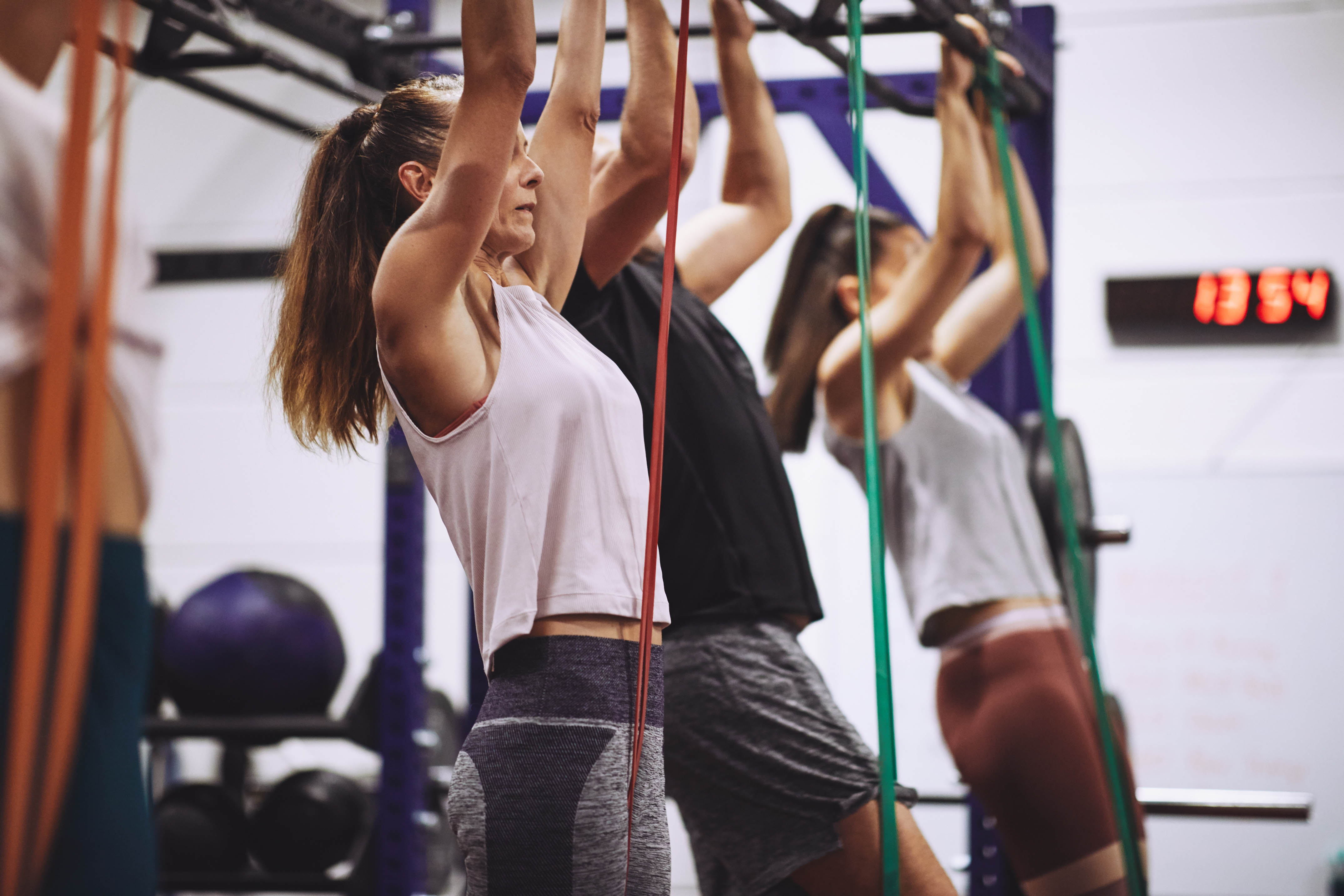
We have a few interesting points to add, particularly salient for those of us trying to incorporate effective strength training into an already packed week:
If, as the article suggests, targeted muscles grow at the expense of those under stimulated, then those of us devoting time to sports and activities that are repetitive in nature – squash, golf, running, swimming, cycling, basketball, hockey, soccer, hiking, gardening, typing on a computer, and staring at a cellphone – should take heed. For example, if I am constantly in a chair, hunched over my laptop, presumably the muscles that round my shoulders, crane my neck, and flex my hips are being constantly stimulated and “trained”. Therefore, my priority for my strength training sessions should be to balance that out by specifically targeting the muscles that open my chest, drop my shoulders down and back, and extend my spine and hips. In other words, train my rhomboids, mid and lower traps, latissimus dorsi, erector spinae, abdominals, and glutes:
- Hip Bridge
- Dying Bug
- Side Plank
- Seated Row
- One Legged Step Down
- Lay Pulldown
- One Legged Romanian Deadlift
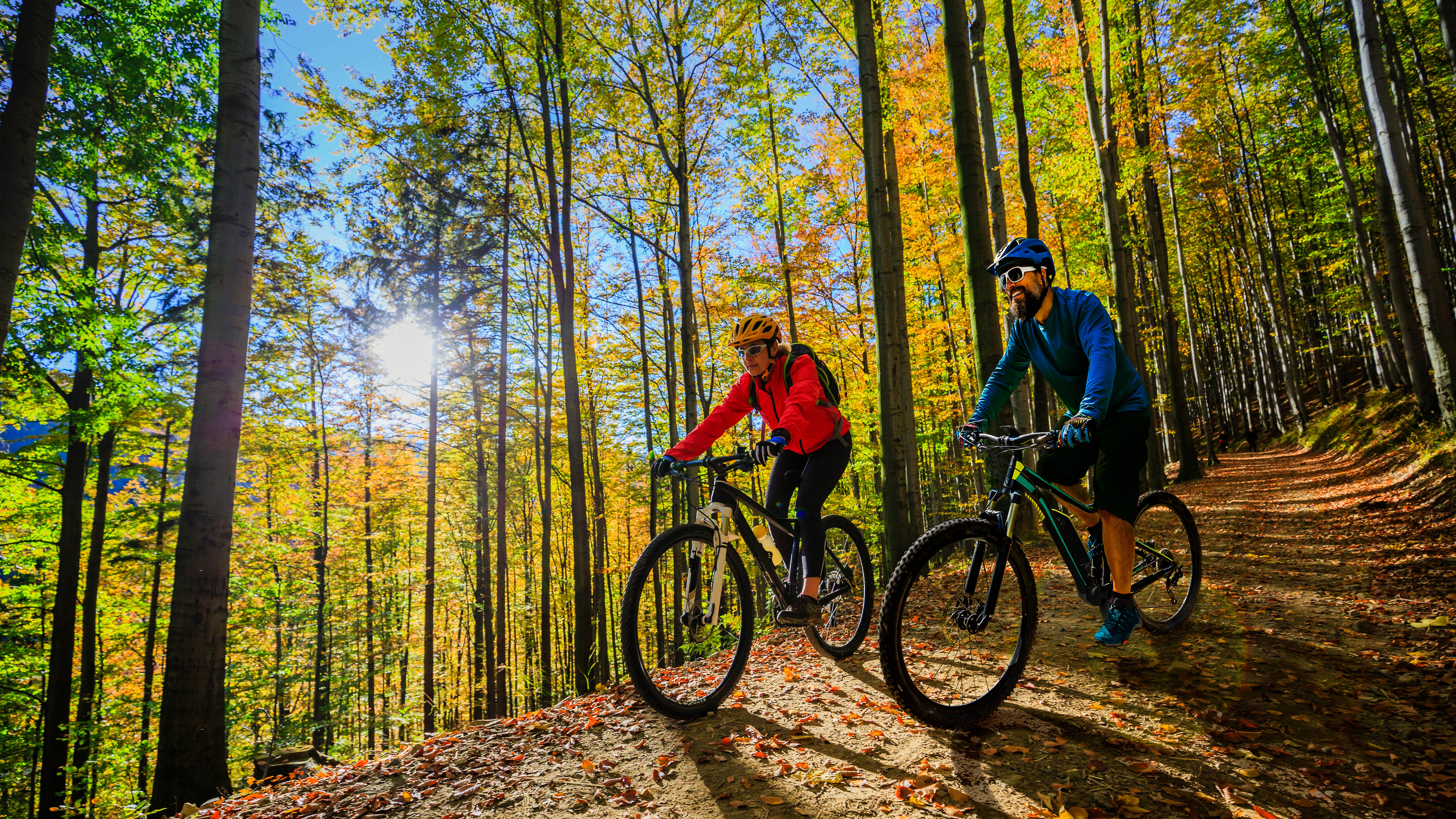
For what it’s worth, those of us who cycle a lot suffer similar muscle imbalances.
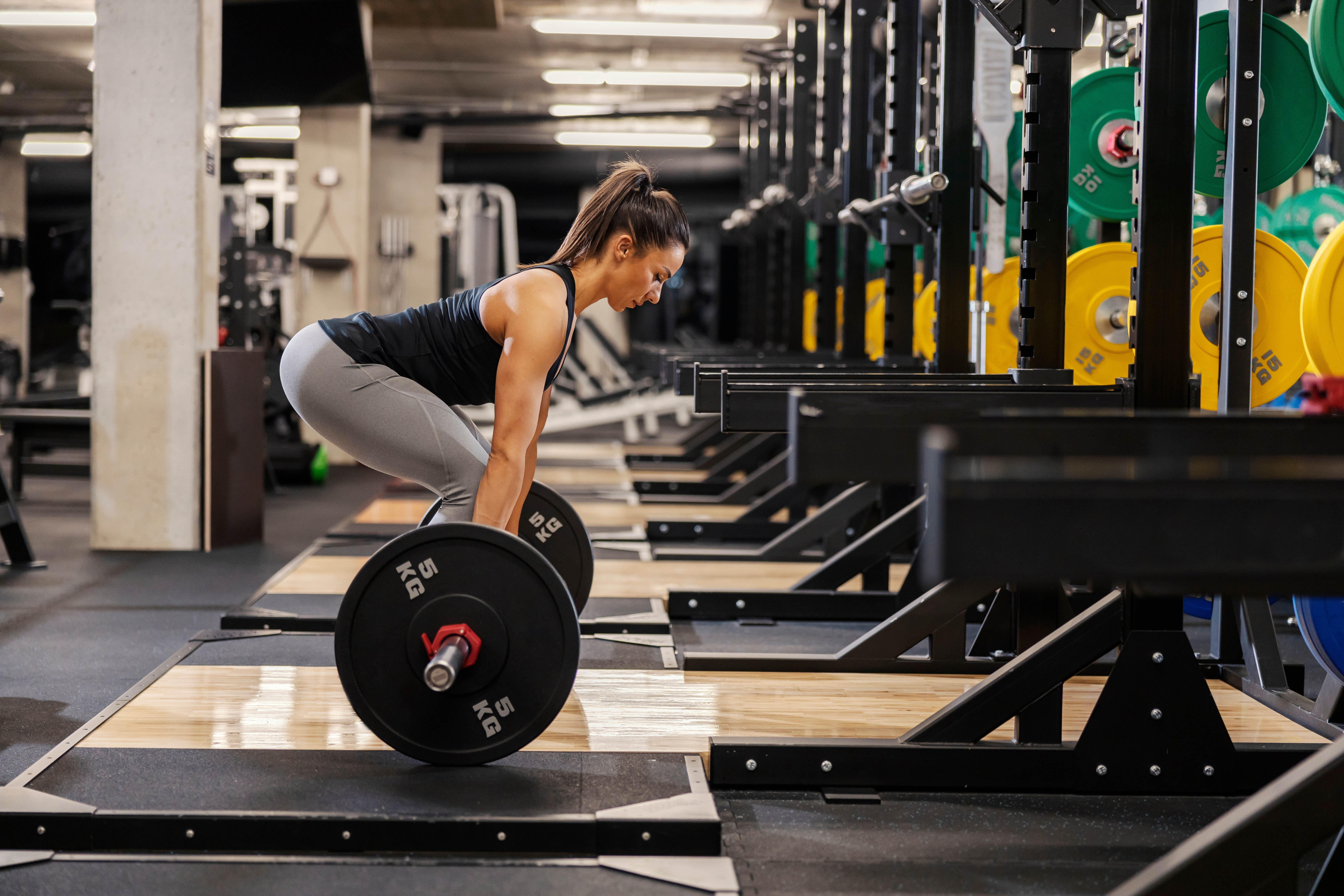
I can’t reinforce enough the amazing benefits of compound lifts for really effective, efficient strength training. (I’d even throw out the word “functional” if it wasn’t so overly used and tough to define these days. More on that in a few weeks…) Exercises including squats, deadlifts, pullups (use the Gravitron!), push-ups, and planks, recruit and stimulate muscles throughout the entire body. Beyond training strength these exercises can improve coordination, balance, and movement efficiency. These exercises tend to be more effective at training core strength compared to isolated core exercises negating the need to take the time to add such exercises in. As importantly, compound lifts may be more effective at raising metabolism and growth hormone (GH) which both tend to drop as we get older.
As always, if you’d like a hand creating a specific protocol for you, please reach out. We’d love to help.
4231