Metatarsalgia: What is it and how can you prevent it?
Healthy View
Written by: Peter Charbonneau, Pedorthist, Adelaide Health Clinic
As we continue to take advantage of this great fall weather, our exercise habits continually evolve. Our neighbourhoods and favourite walking trails are busy with people seeking fresh air, exercise, and mental health breaks. Unfortunately, like many other activities, overuse conditions can surface from spending too much time on these activities, causing aches and pains in areas you may have never experienced. A common injury of the foot is called Metatarsalgia.
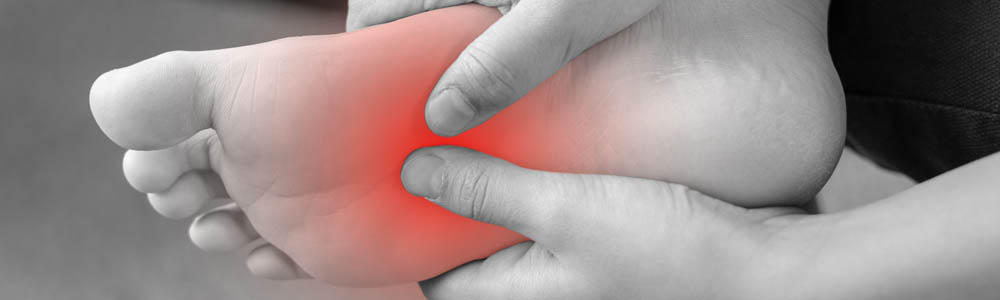
Metatarsalgia is a general term used to denote a painful foot condition in the metatarsal region (the area just before the toes, often referred to as the ball-of-the-foot). Metatarsalgia is usually located under the 2nd, 3rd, and or 4th metatarsal heads.
Causes of Metatarsalgia
With this common foot condition, one or more of the metatarsal heads become painful and/or inflamed, usually due to excessive pressure over a long period of time. You may experience acute, recurrent, or chronic pain with Metatarsalgia. Poor foot function or dramatic increase in weight bearing activities can be the primary cause. If you over or under pronate, the joints on the ball-of-the-foot receive excessive “shear force” loading as the metatarsal arch collapses. Thinning of the metatarsal fat pad and a short 1st metatarsal can also be contributing factors. Thinned soled or very flexible shoes/boots can also be the cause.
Treatment & Prevention of Metatarsalgia
The first step in treating Metatarsalgia is to determine the cause of the pain.
If your symptoms have resulted from increased walking, shortening your distance and taking days off between long walks or runs would be wise. Review your footwear as well. A tradionional running shoe or the thicker soled “super shoes” have proven to be effective in managing this condition.
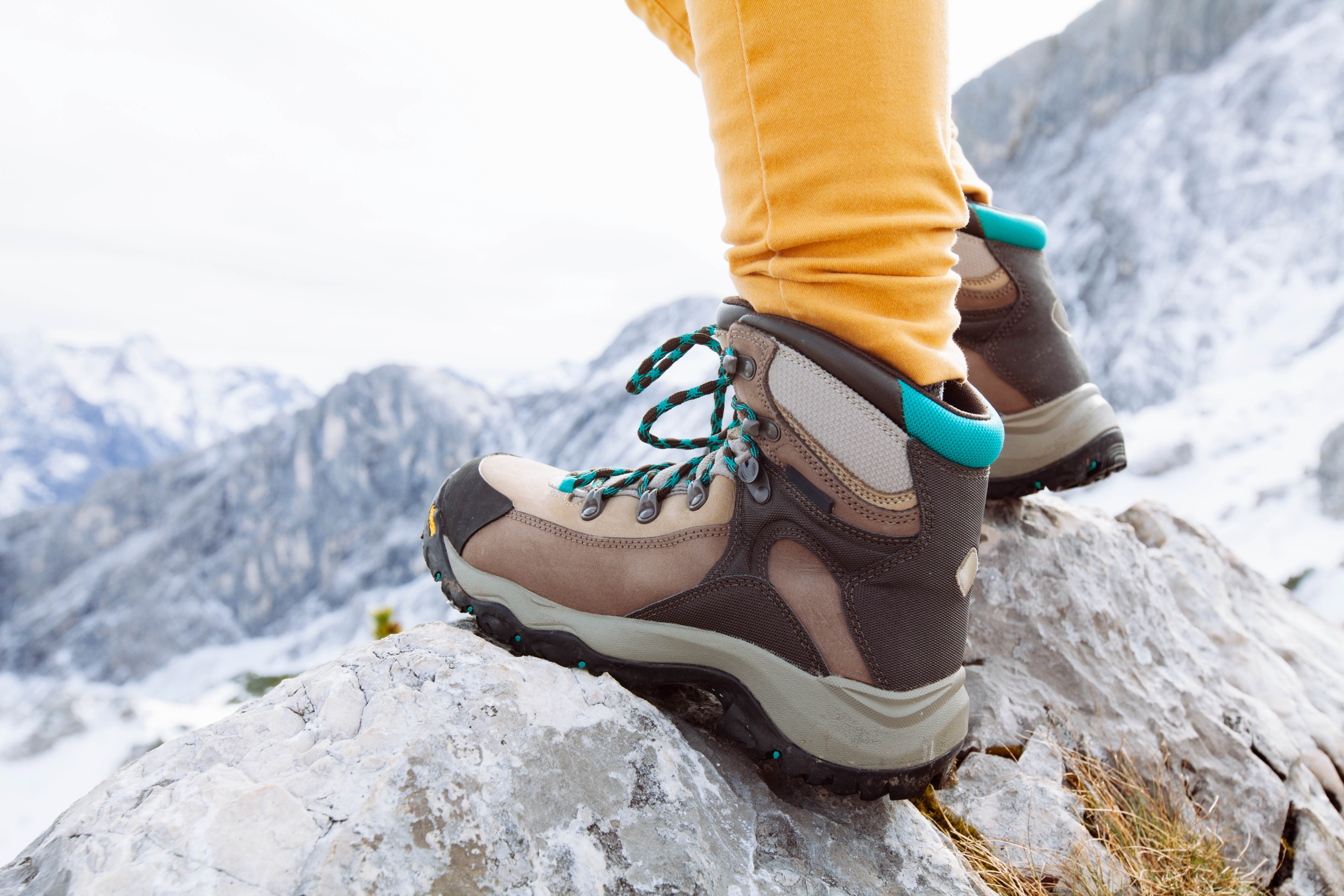
If snow and ice is under foot, wear a hiking style boot for support, warmth, and traction. The stiffer sole will further protect the metatarsals and reduce shear force properties.
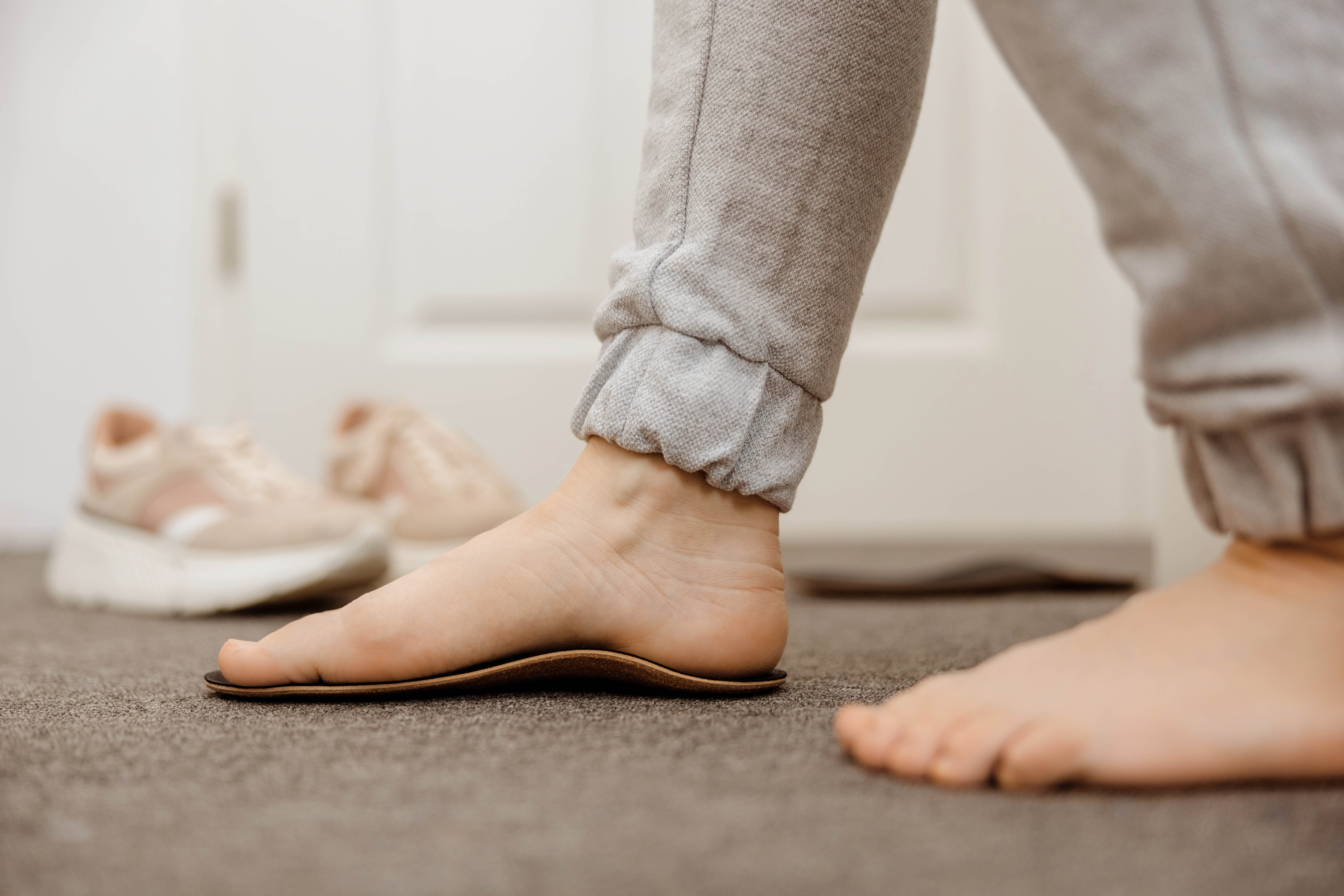
If the problem does not resolve via modified activity and improved footwear, you may have a “mechanical” foot issue. Conservative treatment involves unloading pressure to the ball-of-the-foot. This can be accomplished with either off-the-shelf foot beds or prescription orthotics that usually feature a metatarsal pad. Icing the painful area and strengthening the intrinsic muscles of the foot can also be beneficial.

Want to know more about metatarsalgia and how a pedorthist can help?
Book an appointment with Peter Charbonneau. Let us help support and strengthen your feet today.
5021