Fevers, Flares, and Answers: What Autoinflammatory Awareness Month Wants You to Know
By Dr. Atousa Faraz BSc (Hon), ND
Have you ever known someone with fevers, rashes, or pain that come and go for no clear reason, with doctors unable to pin down a cause? They may be living with an autoinflammatory disease. Every August, the world observes International Autoinflammatory Awareness Month, a campaign started in 2015 to help more people recognize and understand this group of conditions.1

So, what is an autoinflammatory disease, exactly? To understand it, it helps to know that your immune system has two main branches, adaptive and innate:
Adaptive Immunity: Your Body’s Targeted Defense
Adaptive immunity is the part most people think of when they hear “autoimmune disease,” such as rheumatoid arthritis or lupus. It works by producing antibodies that mistakenly attack the body's own tissue.
Innate Immunity: Your Body’s First Responder
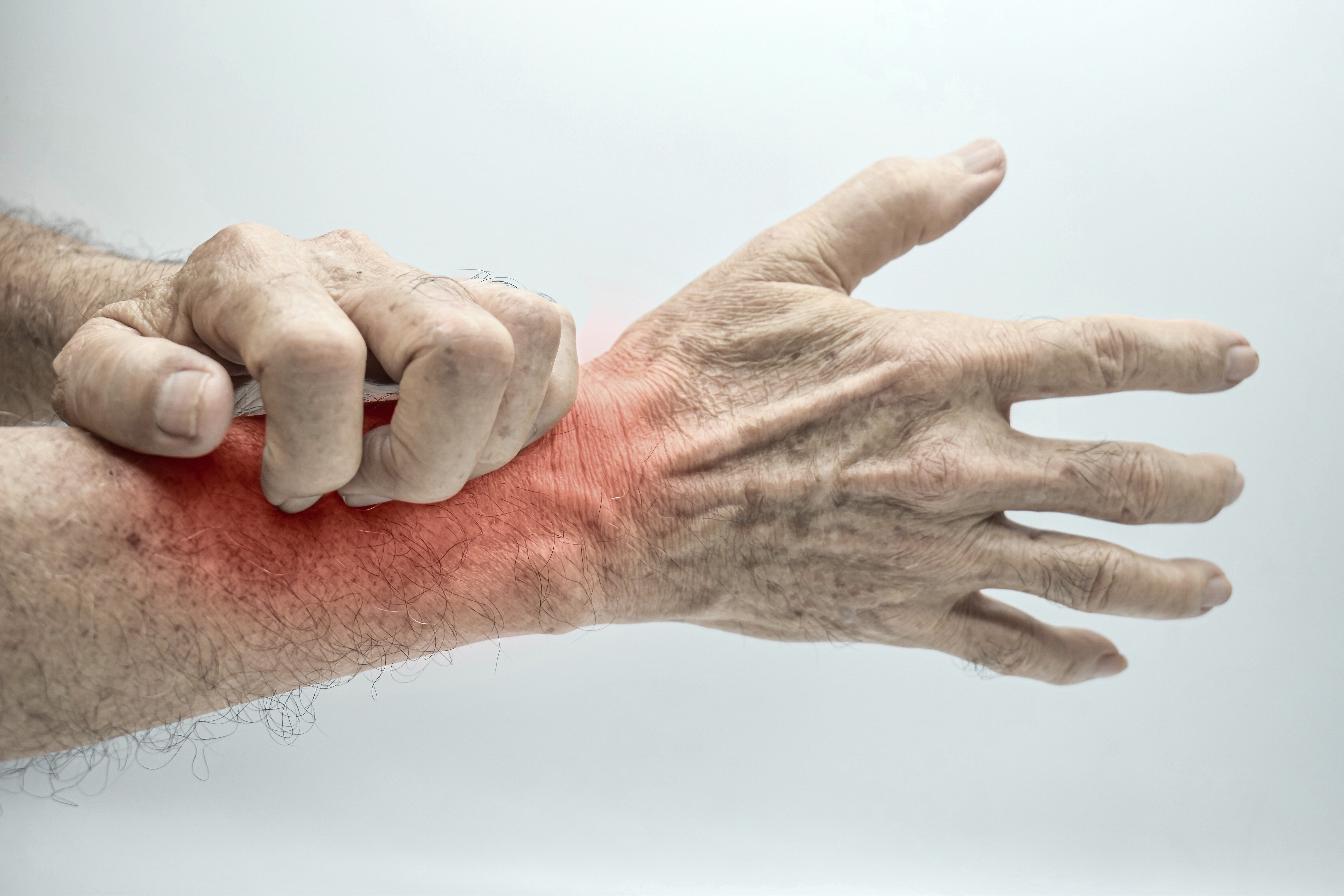
Innate immunity is older and more general. It is your body's first responder, reacting quickly to anything it senses as a threat. Autoinflammatory disease happens when this first-responder system misfires and sets off inflammation even though there is no infection, injury, or antibody attack to explain it.2 The result can be repeated, sometimes unpredictable episodes of fever, rash, joint pain, belly pain, and fatigue.
Who Gets Autoinflammatory Disease and Why It Is Often Missed?
Many autoinflammatory diseases run in families and show up first in childhood, such as familial Mediterranean fever and a few rarer periodic fever syndromes, though milder cases are increasingly being recognized in adults too.3 Because the symptoms can look like a stomach bug, a food sensitivity, or an autoimmune condition, these diseases are often missed or misdiagnosed for years before someone finally gets an answer that fits.4
As a naturopathic doctor, my goal with a patient who has, or is being worked up for, an autoinflammatory condition is never to replace the specialist care these diseases need. My role is to work alongside it. Everyday habits like what you eat, how well you sleep, how you manage stress, and the health of your gut can all influence how much background inflammation your body is carrying, and supporting these areas can make a real difference in how someone feels between flare-ups. This might include:
Awareness matters because it is often the first step toward getting the right diagnosis. And getting the right diagnosis matters because it opens the door to treatment before repeated flare ups can take a lasting toll on the body. This August, I encourage you to learn the signs, share this article with someone who has been searching for an explanation for symptoms that keep coming back, and remember that a diagnosis, once found, is the start of a path toward feeling better.

If you or a family member has been living with recurring, unexplained fevers or inflammatory symptoms, you do not have to keep searching for answers alone. Naturopathic care can offer personalized, evidence-informed support alongside your medical team. Book your appointment today and take the first step toward better health from within.
About the Author
Dr. Atousa Faraz, BSc (Hon), ND has nearly two decades of experience supporting patients with a wide range of health concerns. She combines evidence-informed care with a holistic approach to promote long-term health and well-being.
Dr. Faraz is available for both in-person and virtual appointments. To book your appointment today click here.
Disclaimer:
This article is for general information only and is not intended to diagnose or treat any medical condition. It does not replace professional medical advice or create a patient-doctor relationship. Always consult your healthcare provider before making health decisions or if you have questions about a specific condition. Dr. Atousa Faraz ND assumes no responsibility or liability for any outcomes resulting from the use of this information.
#AutoinflammatoryAwareness #AutoinflammatoryDisease #InnateImmunity #ChronicInflammation #RareDisease #HolisticHealth #NaturopathicMedicine #ImmuneSupport #WellnessJourney #HealthyLiving #TorontoNaturopath #DrFarazND
References:
1. International Autoinflammatory Awareness Month. Autoinflammatory Alliance. Accessed July 26, 2026. https://autoinflammatorymonth.org/
2. Lachmann HJ. The periodic fever syndromes. Best Pract Res Clin Rheumatol. 2018;31(4):596-609. doi:10.1016/j.berh.2017.12.001
3. Yıldız M, Haşlak F, Adrovic A, Barut K, Kasapçopur Ö. Autoinflammatory diseases in childhood. Balkan Med J. 2020;37(5):236-246. doi:10.4274/balkanmedj.galenos.2020.2020.4.82
4. Global Genes. Autoinflammatory disease: the invisible epidemic. Global Genes. Published August 16, 2023. Accessed July 26, 2026. https://globalgenes.org/blog/autoinflammatory-disease-the-invisible-epidemic/
323