Creatine: Your Brainbuilding Supplement
SuperUser Account
/ Categories: Health & Wellness, Clinic

Creatine: Your Brainbuilding Supplement

By Meg Sharp MSc., Fitness & WellBeing Consultant

Creatine has long been associated with bodybuilding.  This well-researched supplement increases the energy available to our cells so we can produce more energy and power for longer.  It enables faster recovery, so we can tolerate higher training volumes.  We’re now beginning to understand how beautifully these benefits translate to brain function.    

Creatine works inside your cells’ mitochondria to help your cells generate ATP.  Faster.  And more of it. 

ATP – Adenosine Triphosphate – is the primary energy currency of our cells.  It captures energy from the breakdown of food and releases it to fuel muscle contraction and delay muscular fatigue.  It also works this way in our brains where higher levels of ATP essentially make our brains faster, more powerful, more fatigue resistant and better able to handle high cognitive loads. 
A man in a white lab coat thoughtfully gazes upward in front of a chalkboard displaying creatine molecular structures.

While only making up about 2% of our body weight, our brains account for about 20% of our total energy consumption.  When we’re low on energy, it’s our brains that can take the biggest hit. 

Here’s a quick snapshot of how Creatine supplementation can help: 

  • A single dose of creatine can improve processing speed, mood and reaction time.  While caffeine is also effective in this manner, creatine is not a stimulant and does not disrupt our ability to sleep.  In fact some research shows taking creatine increases overall sleep duration and quality specifically on days following heavy resistance training. 
  • Creatine supplementation may improve memory, attention time and processing speed time. 

Profile of a person's head with purple and pink cosmic nebula imagery overlaid on the brain area against a light background.

  • Growing data suggests it can reduce neural damage and improve recovery following traumatic brain injuries and may enhance the efficacy of antidepressant medications. 

  • It creates stress resilience in that it buffers cognitive decline and boosts brain performance during sleep deprivation, or periods of oxygen or energy deficit. 

  • Individuals struggling with neurological disease, those adhering to a vegetarian or vegan diet and peri- or post- menopausal women may be particularly responsive to supplementation. 

  • Brain energetics are known to decrease as we age negatively impacting overall brain function.  Initial studies suggest a positive impact on long-term memory, spatial recall and number recall in older adults.   

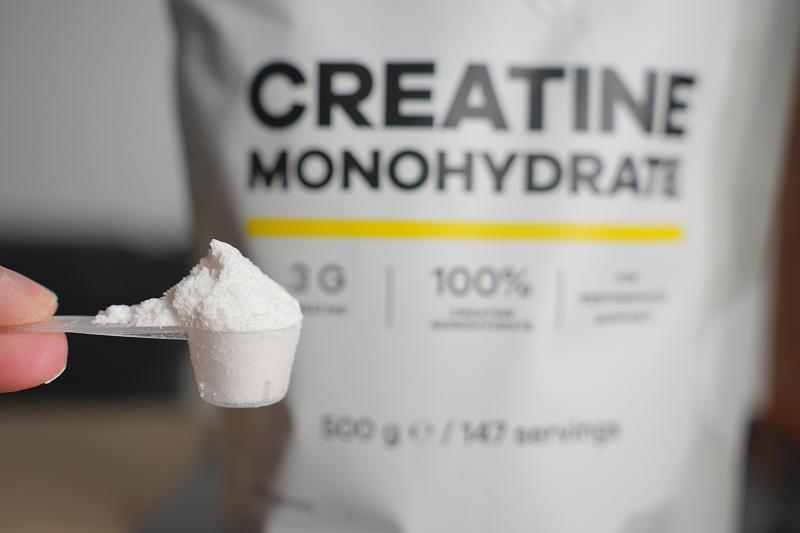
A scoop of white creatine monohydrate powder held in front of a supplement container labeled "Creatine Monohydrate.

Dosage: 

Creatine monohydrate is the most thoroughly researched and effective supplement.  Begin with 3-5 grams per day consistently for 3-4 weeks.  10-20 grams per day may create more brain health benefits.  Higher dosages should be divided into 5-10 gram portions throughout the day.  Take with food to increase absorptions.  Some people find dissolving the creatine in warm water just before digesting lessens bloating or stomach discomfort. 

You can now purchase creatine directly at Toronto Sport Medicine Clinic OR Scan to place an order here.
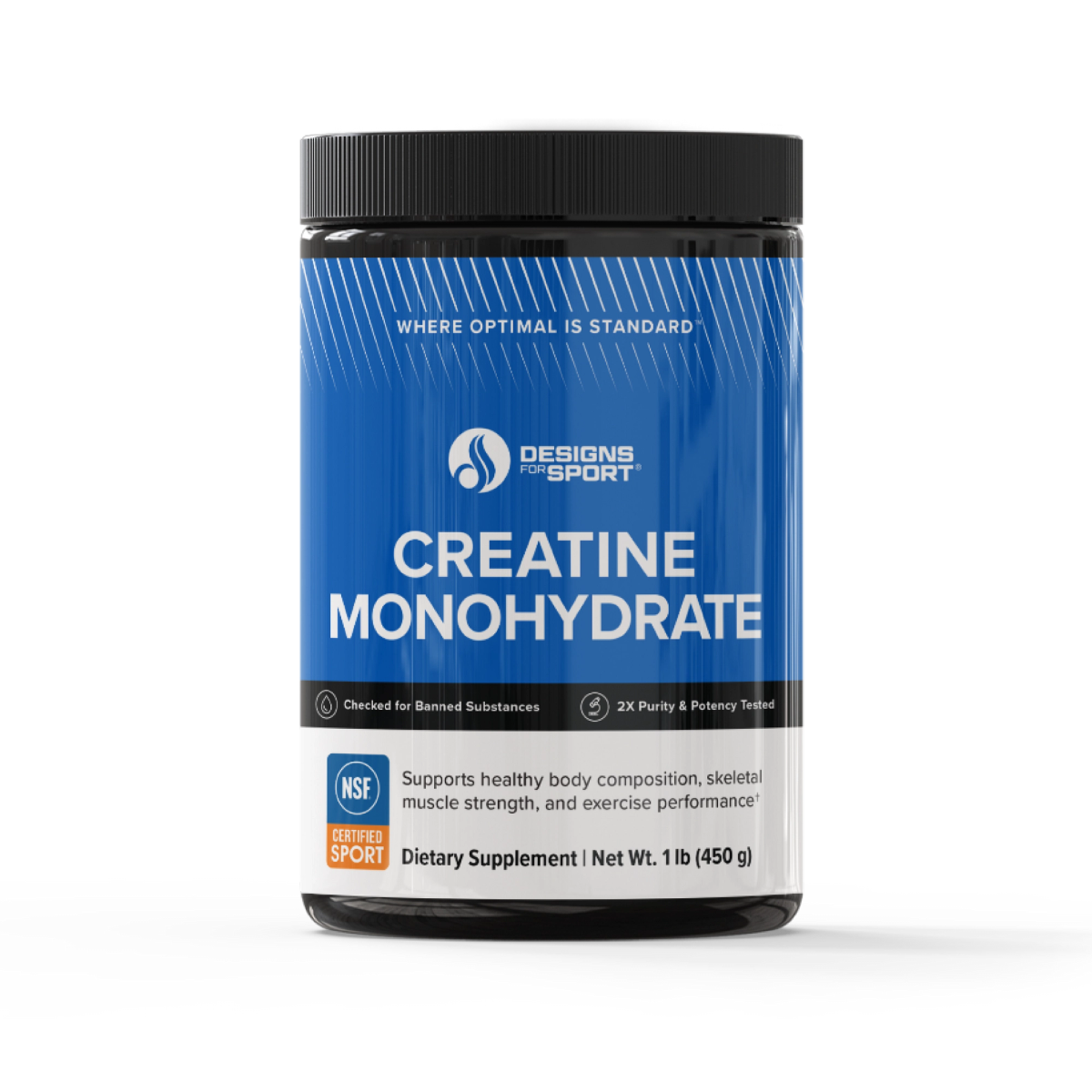
Creatine Monohydrate

References: 

https://www.frontiersin.org/journals/nutrition/articles/10.3389/fnut.2024.1424972/full 

https://www.sciencedirect.com/science/article/pii/S3050624726000033 

https://pmc.ncbi.nlm.nih.gov/articles/PMC3257700/ 

https://pubmed.ncbi.nlm.nih.gov/39070254/ 

https://www.nature.com/articles/s41598-024-54249-9 

https://pubmed.ncbi.nlm.nih.gov/39569425/ 

Previous Article Physiotherapy or Athletic Therapy? You’re in Great Hands Either Way.
Next Article The Adelaide Health Clinic Guide to Osteopathy: Discover a Natural Path to Better Health, Movement, and Wellbeing
Print
1140
Treating Anxiety from a Naturopathic Perspective
The number of Canadians older than 15 with generalized anxiety disorder (GAD) has doubled from 2.6% in 2012 to 5.2% in 2022. Although anxiety can impact anyone, young women between the age 15 and...
Read More
Navigating Female Hormonal Health: Managing Perimenopause & Menopause

Female hormonal imbalances can lead to various symptoms, especially during perimenopause and menopause.

Read More
Want the best results? Avoid Failure
We know that strength training creates positive adaptations in skeletal muscle offering professional athletes, recreational athletes, and adults in general significant benefits including increased...
Read More
Top Performance AND Work/Life Balance: How Thinking of Yourself as an Olympian Can Help
Professional athletes are talented, determined, physically and psychologically resilient. They identify and play to their strengths. They are expected to perform – win! – both despite...
Read More
September Fresh Start
The beginning of September can feel like more of a new year than January. Many of us are currently managing changes in schedules, commitments, expectations, and the weather. Some are even...
Read More
Exercise Like an Olympian
I have a confession to make: I’m going through a bit of Olympic withdrawal. So, I’m going to extend the experience a little longer by exploring a few of the many elements that make...
Read More
Discover Holistic Wellness with Our New Naturopathic Doctor

Not sure if Naturopathic Medicine is right for you? Book a free 15-minute consultation with Dr. Madison, ND - our new Naturopathic Doctor - in-person or virtually!

Read More
DIY Summer Party Survival Kit
Summer: Bright and flirtatious, hot and intoxicating, love it or leave it, it is fully upon us. As work and family commitments ebb and flow, it can be the perfect time to try on new sun...
Read More
First7891012141516