Creatine: Your Brainbuilding Supplement
Nicole O'Neill
/ Categories: Health & Wellness, Clinic

Creatine: Your Brainbuilding Supplement

By Meg Sharp MSc., Fitness & WellBeing Consultant

Creatine has long been associated with bodybuilding.  This well-researched supplement increases the energy available to our cells so we can produce more energy and power for longer.  It enables faster recovery, so we can tolerate higher training volumes.  We’re now beginning to understand how beautifully these benefits translate to brain function.    

Creatine works inside your cells’ mitochondria to help your cells generate ATP.  Faster.  And more of it. 

ATP – Adenosine Triphosphate – is the primary energy currency of our cells.  It captures energy from the breakdown of food and releases it to fuel muscle contraction and delay muscular fatigue.  It also works this way in our brains where higher levels of ATP essentially make our brains faster, more powerful, more fatigue resistant and better able to handle high cognitive loads. 

A man in a white lab coat thoughtfully gazes upward in front of a chalkboard displaying creatine molecular structures.

While only making up about 2% of our body weight, our brains account for about 20% of our total energy consumption.  When we’re low on energy, it’s our brains that can take the biggest hit. 

Here’s a quick snapshot of how Creatine supplementation can help: 

  • A single dose of creatine can improve processing speed, mood and reaction time.  While caffeine is also effective in this manner, creatine is not a stimulant and does not disrupt our ability to sleep.  In fact some research shows taking creatine increases overall sleep duration and quality specifically on days following heavy resistance training. 

  • Creatine supplementation may improve memory, attention time and processing speed time. 

Profile of a person's head with purple and pink cosmic nebula imagery overlaid on the brain area against a light background.

  • Growing data suggests it can reduce neural damage and improve recovery following traumatic brain injuries and may enhance the efficacy of antidepressant medications. 

  • It creates stress resilience in that it buffers cognitive decline and boosts brain performance during sleep deprivation, or periods of oxygen or energy deficit. 

  • Individuals struggling with neurological disease, those adhering to a vegetarian or vegan diet and peri- or post- menopausal women may be particularly responsive to supplementation. 

  • Brain energetics are known to decrease as we age negatively impacting overall brain function.  Initial studies suggest a positive impact on long-term memory, spatial recall and number recall in older adults.   

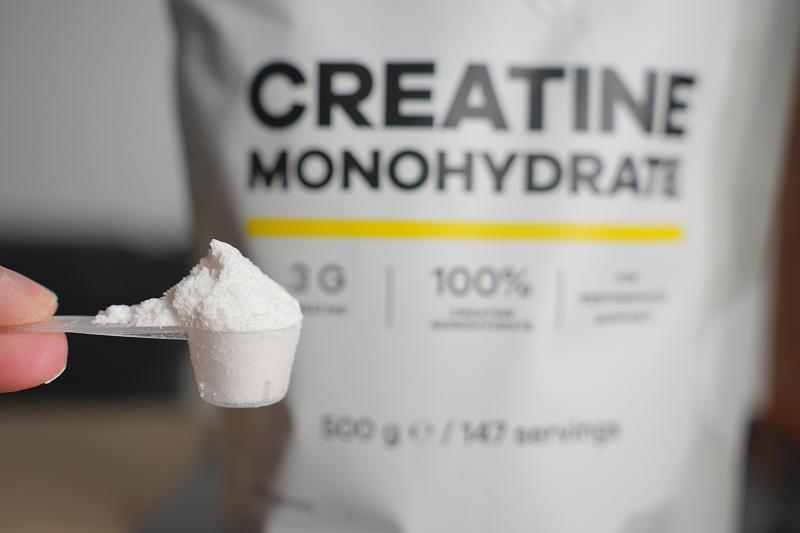
A scoop of white creatine monohydrate powder held in front of a supplement container labeled "Creatine Monohydrate.

Dosage: 

Creatine monohydrate is the most thoroughly researched and effective supplement.  Begin with 3-5 grams per day consistently for 3-4 weeks.  10-20 grams per day may create more brain health benefits.  Higher dosages should be divided into 5-10 gram portions throughout the day.  Take with food to increase absorptions.  Some people find dissolving the creatine in warm water just before digesting lessens bloating or stomach discomfort. 

You can now purchase creatine directly at Toronto Sport Medicine Clinic OR Scan to place an order here.
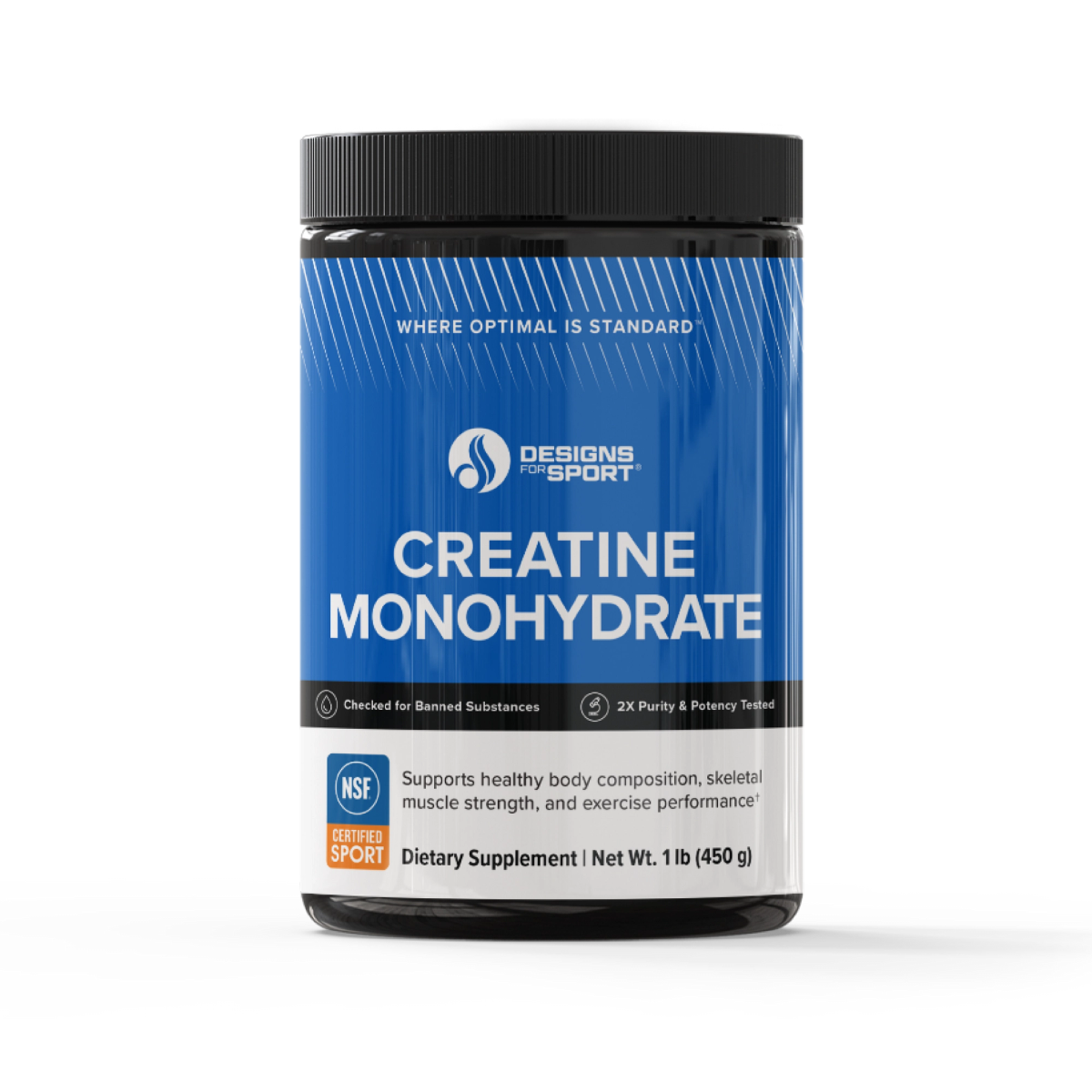
Creatine Monohydrate

References: 

https://www.frontiersin.org/journals/nutrition/articles/10.3389/fnut.2024.1424972/full 

https://www.sciencedirect.com/science/article/pii/S3050624726000033 

https://pmc.ncbi.nlm.nih.gov/articles/PMC3257700/ 

https://pubmed.ncbi.nlm.nih.gov/39070254/ 

https://www.nature.com/articles/s41598-024-54249-9 

https://pubmed.ncbi.nlm.nih.gov/39569425/ 

Previous Article Physiotherapy or Athletic Therapy? You’re in Great Hands Either Way.
Next Article The Adelaide Health Clinic Guide to Osteopathy: Discover a Natural Path to Better Health, Movement, and Wellbeing
Print
760
Why Kegels are sometimes Not the Answer
Kegels are exercises that involve contracting and relaxing the pelvic floor muscles to improve strength, endurance, and control. They are commonly recommended for pelvic floor dysfunction,...
Read More
What IS Functional Training anyhow?
While I don’t add the word functional to describe the type of training I do with my clients, you wouldn’t be wrong if you labelled it as such. The human body needs a number of things...
Read More
Losing Weight: Simple and Tricky
Lots of people speak to me about wanting to lose some weight. Yet despite 3 decades of experience and being up on all the latest research on the topic, I’m often at a loss to know exactly...
Read More
Blue Monday - Tips & Hints
Okay, let’s get real! Blue Monday is a term that’s often claimed to be the ‘most depressing day of the year’. It is usually the 3rd Monday of January (in 2025 that was this...
Read More
Improving Your Mental Health: Both Challenging and Possible
We’re knowledgeable, experienced, well-read, highly motivated people. And making behavioural decisions in favour of better mental and physical health is sometimes – often –...
Read More
Iron Deficiency Anemia and Its Impact on Physical & Mental Health
Iron deficiency is one of the most common micronutrient deficiencies worldwide. It can present with or without anemia. Anemia is a condition characterized by a decrease in the number of red blood...
Read More
Looking for Balance in 2025? Try Chiropractic Care
Do you feel off balance? Nagging hamstring? Neck or Low Back tension or pain? Generally, not feeling 100%? Chiropractic care plays a vital role in maintaining overall health by addressing...
Read More
25 Healthy Steps for 2025
I’ve compiled a list. 25 of my favourite health-related habits for you to consider. An eclectic mélange of nutrition, exercise, and mindset strategies. Some - perhaps many! - you are already...
Read More
First45679111213Last