Sleep may be MORE important as we age
Living Well

Written by: Meg Sharp, Fitness & Wellbeing Consultant, Cambridge Group of Clubs
There remains a misconception that we need less sleep as we age. While sleep challenges become far more prevalent in older adults, the overall need for sleep is still the same: 7-9 hours per night.
It’s well understood that sleep facilitates repair and rebuilding of muscle and other vital tissues, improves concentration and memory, decreases anxiety and depression, and boosts immune system function. Since every one of these benefits becomes less tenable as we age, then surely figuring out how to optimize our sleep needs to become a number one priority.
I’m left wondering: How much of our physical and mental decline could be mitigated if our sleep – both quality and quantity – remained robust?

The tricky piece is that our aging process is associated with a reduction in several sleep parameters including total sleep time (TST) and sleep quality as well as an increase in sleep-wake disturbances.
We’ve carefully researched and explained specific strategies that address one or more of these sleep challenges, giving you lots of options for enjoying a better night’s sleep and better health span!
Lift weights:
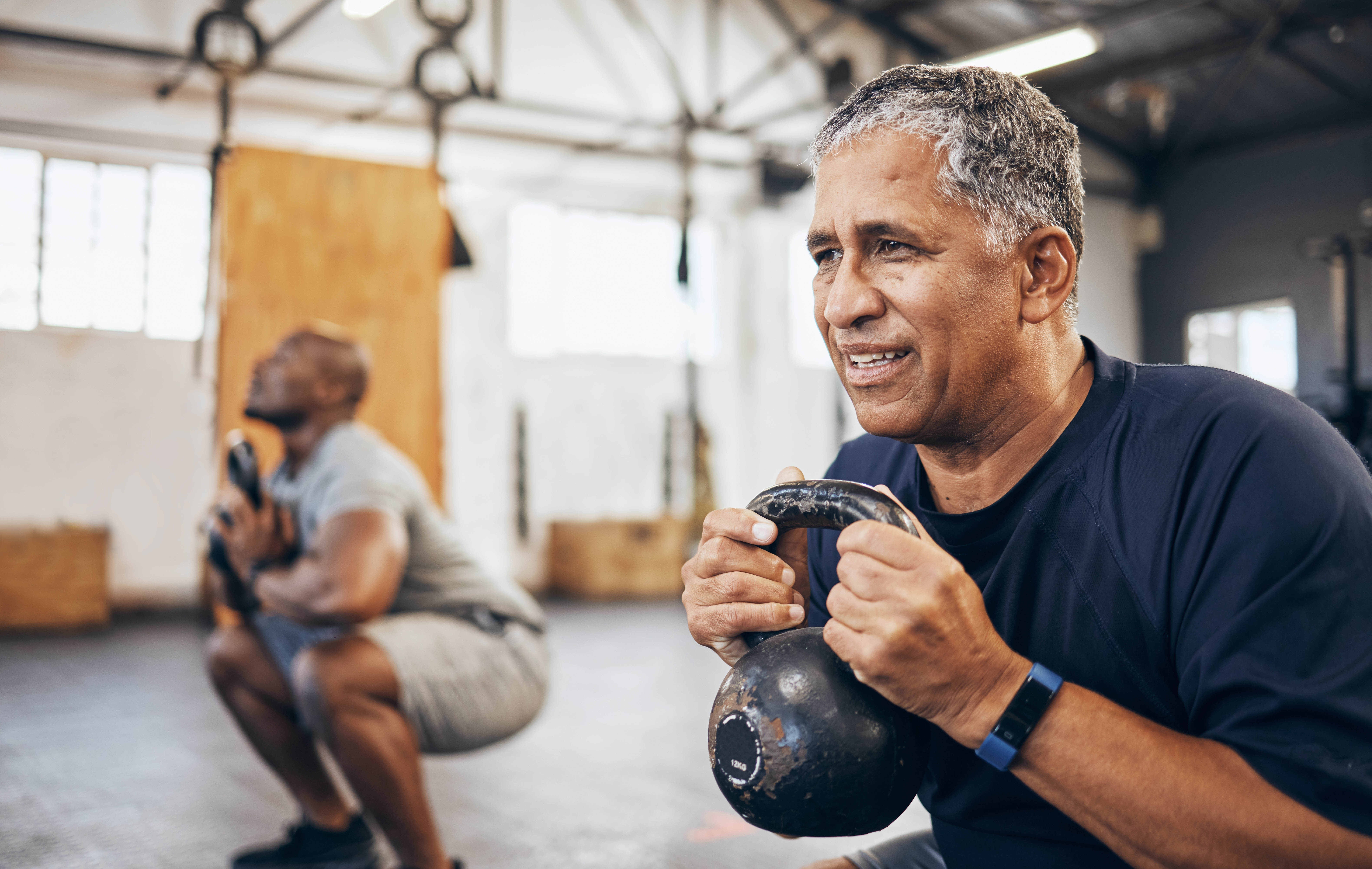
Aging is associated with a decrease in slow-wave sleep. This is the deepest phase of sleep and when the tissues are repaired. Resistance training effectively breaks down muscle, signaling the body it needs more repair time. In men and women over 60, strength training of various intensities and durations has been shown to increase slow wave sleep the night that proceeds the training session. It’s also associated more wakefulness, energy, and alertness during the day. This makes for a more enjoyable, productive day and may mitigate the urge to nap.
While napping is sometimes required and even beneficial for some, it is also true that daytime napping typically disrupts buildup of adenosine, reducing sleep drive. This can impact one’s ability to fall asleep, stay asleep, as well as reducing the overall quality of sleep leading to fatigue the next day and creating a perpetual cycle.
Practical advice: One extremely promising study showed that even in older adults with sarcopenia – a muscular disease associated with aging and characterized by reductions in muscle performance and quantity – 12 weeks of regular strength training resulted in improved muscle function, size and quality of sleep. The exercise protocol involved eight exercises using large muscle groups 3 times a week. Participants performed 3 sets of maximum 8 reps.
See a pelvic floor specialist:
Sleep can be disrupted multiple times throughout the night by the urge to pee. While it can be helpful to avoid consuming too much liquid 2-3 hour before bedtime, strengthening your pelvic floor muscles can improve your ability to empty your bladder, decrease the urge to void, as well as increase the blader capacity – all contributing to less waking and a more restful sleep.
Practical advice: Reach out to Joanne Ukposidolo at the Adelaide Health Clinic for more information or to book a Consultation on how to improve your pelvic function.

Get your heart rate up for 30 minutes:
Simple exercise, like walking, 30 minutes every other day is associated with higher TST and better sleep quality.
Increasing the intensity of your aerobic exercise to moderate or vigorous, is more likely to reduce anxiety and depression, which often play a role in poor sleep. Additionally, the increase in body temperature experienced during higher intensity exercise often results in lower body temperatures during sleep, again impacting TST and increasing slow wave sleep.
Daily aerobic activity can improve sleep by regulating the circadian clock – which becomes disrupted as we age. For an additional boost – get your exercise outside. A brisk walk outside in the middle of the day can boost wakefulness and help your sleep on several fronts.
Practical advice: The 8-week protocol one study used to improve sleep in adults aged 60-70 years consisted of a 10 minute warm-up followed by 35 minutes of moderate exercise (60-70% MaxHR) and a 10 minute cool down. Participants either ran or walked uphill based on individual preference. Workouts were done twice a week.

4612