Insomnia and Menopause: What's the Connection?
Healthy View
Written by: Dr. Atousa Faraz, ND, Naturopathic Doctor, Adelaide Health Clinic
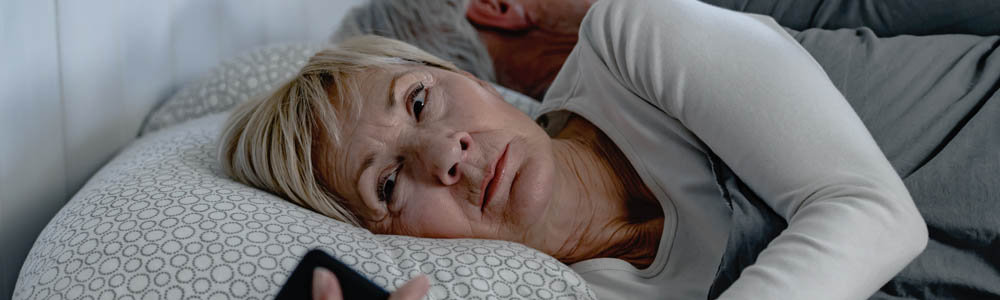
If you're a woman in your late 40s, lying awake at night wondering if restful sleep is a thing of the past - you're not alone.
Difficulty sleeping, whether it is trouble falling asleep, staying asleep, or waking up feeling unrested, is a common issue among women going through perimenopause and menopause. These sleep disruptions are often linked to hormonal changes, especially the decline in estrogen and progesterone, which play a role in regulating the body’s sleep patterns.
How Menopause Affects Sleep
Menopause affects sleep in many ways such as:
Hormonal Fluctuations
Declining levels of estrogen and progesterone can interfere with the brain’s sleep-regulating neurotransmitters, making it harder to fall and stay asleep.
Vasomotor Symptoms
Hot flashes and night sweats which are common symptoms of hormonal shifts in women can cause sudden awakenings and disrupted sleep throughout the night.
Mood Changes
Menopause is often accompanied by increased anxiety and depression, both of which are known to contribute to insomnia and poor sleep quality.
Age-Related Sleep Changes
As we age, our natural sleep patterns change. These shifts can be amplified by menopause, making restful sleep even more elusive.
How Do We Manage Menopause-Related Insomnia
Struggling with sleep during menopause is common, but it doesn’t have to be permanent. From lifestyle changes and Cognitive Behavioral Therapy for Insomnia (CBT-I) to natural therapies and medical support, there are many effective strategies to help you sleep better and feel more balanced.
As a Naturopathic Doctor, I take a holistic, personalized approach to menopause, focusing on the root causes of insomnia rather than just treating the symptoms. Every woman’s experience with menopause is unique, and your care should reflect that.
In my practice, I use a combination of natural and evidence-informed strategies to support better sleep and overall hormonal balance, including:
-
Herbal Medicine: Plant-based therapies can help regulate hormone levels, calm the nervous system, and support deeper, more restorative sleep.
-
Lifestyle Recommendations: We look at your daily routines, stress levels, movement, and sleep hygiene and make sustainable changes tailored to your unique physiology and life stage.
-
Bioidentical Hormone Replacement Therapy (BHRT): For some women, BHRT can be an effective option for relieving symptoms like night sweats, hot flashes, and sleep disturbances. I work closely with patients to assess hormone levels and, when appropriate, use bio identical hormones to gently and safely restore balance.
Insomnia during menopause is a common but often complex issue, influenced by hormonal, lifestyle, and physiological changes. A holistic approach, grounded in naturopathic and functional medicine, can help identify and address the underlying factors affecting your sleep.
If you're looking for a more comprehensive and individualized strategy, I invite you to book a consultation. Together, we can explore options to support your sleep and overall well-being.

About the Author
Dr. Atousa Faraz, BSc (Hon), ND has been educating, treating, and supporting patients with a wide range of health concerns for nearly two decades. She integrates evidence-informed therapies with a holistic perspective to support lasting health and well-being.
Dr. Faraz is available for both in-person and virtual appointments. To book your appointment today, click here!
Disclaimer:
The information in this article is provided as an information resource only and is not to be used or relied on for any diagnostic or treatment purposes. This information does not create any patient-doctor relationship and should not be used as a substitute for professional advice, diagnosis, or treatment. Please consult your healthcare provider before making any health-related decisions or for guidance about a specific medical condition. Dr. Atousa Faraz BSc (Hon), ND expressly disclaims responsibility, and shall have no liability, for any damages, loss, injury, or liability whatsoever suffered because of your reliance on the information contained in this article.
5679