Effective Weight Loss Strategies: With and without medicine
Living Well

Written by: Meg Sharp, MSc., Fitness & Well-Being Consultant, Cambridge Group of Clubs
People everywhere are trying to lose weight. Through intermittent fasting, various restrictive diets, and, recently, with the help of GLP-1 agonists. If you, dear reader, are also trying to lose weight, thank goodness you are a Member of one of our Clubs. For while restricting calories tends to be the most effective way of shedding unwanted pounds, adding exercise into the equation is vital to support healthy and sustainable losses.
If your goal is to lose weight, I want you to add a second goal immediately: To be stronger.

GLP-1 agonists can give us an interesting insight into successful weight loss regimes. There are a number of mechanisms at play with the drugs, but the main reason they work is because they significantly reduce appetite and cravings. The drugs work because people eat less.
For the majority, discontinuation of the drug results in repaid regain of most, if not all or even more of the weight. The same disheartening rebound is seen when people restrict calories for a period of time and then go back to eating how they did before.
Caloric restriction – with and without drugs – results in fat loss. In the absence of a good amount of exercise people also lose muscle mass. This loss of lean tissue results in reduced vigor, metabolism, and optimal endocrine function and is certainly one of the reasons the weight returns with a vengeance.
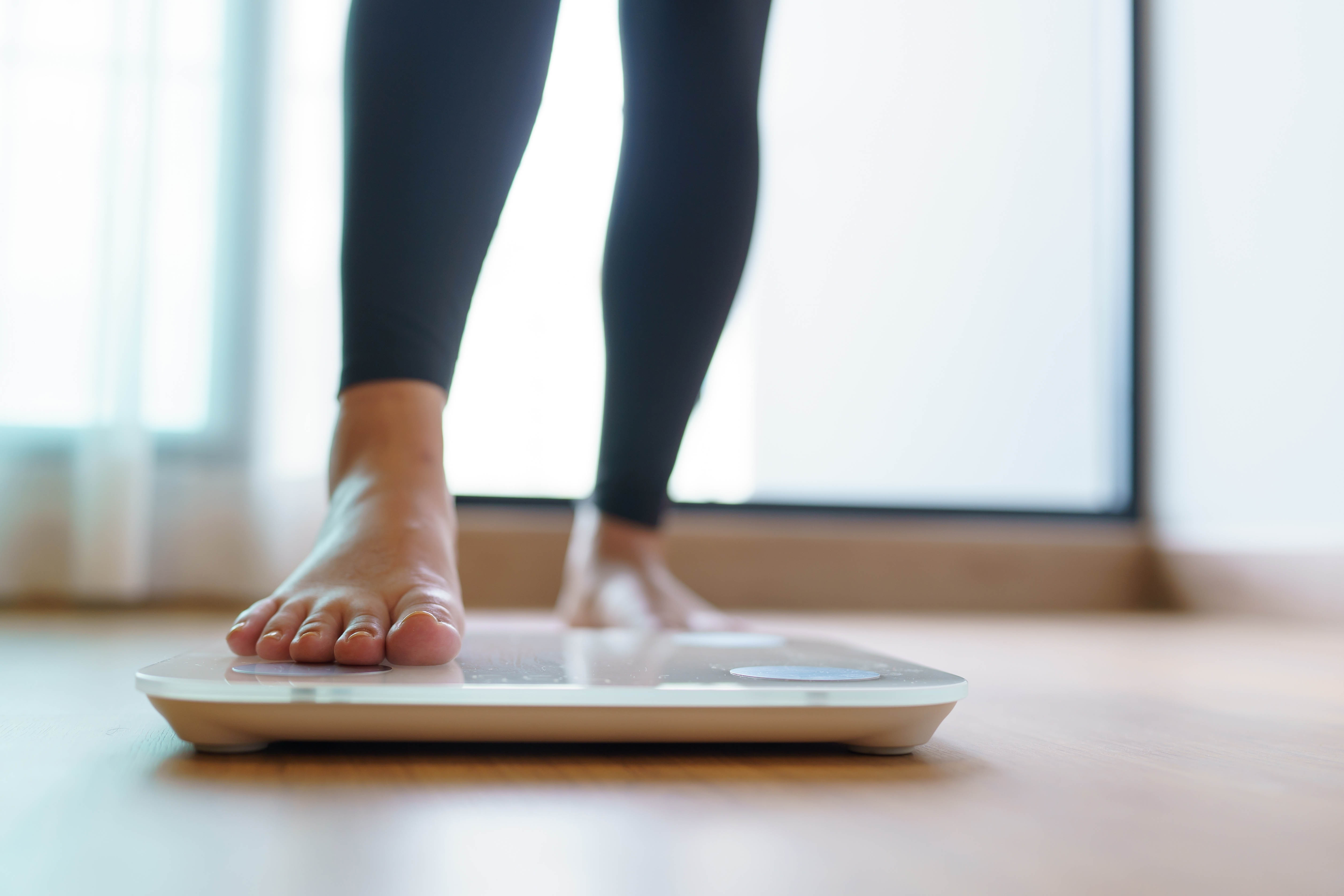
Adding exercise – especially vigorous exercise, strength training, and keeping your protein consumption high – will make a world of difference. Whatever your weight loss journey looks like, please add these key elements.
Exercise supports weight loss through increased energy output, improvements in body composition, increased basal metabolic rate, improved confidence and coordination, decreased joint and muscle pain, improvements in sleep quality and quantity, decreased stress and depression, and adherence to healthier dietary habits. Wow, right?! Strength training in particular plays a powerful role in relation to positive body composition changes, improved metabolism, joint and muscle integrity, and self-confidence. As you get stronger you feel better. No one can ignore the positive implications of that in terms of supporting any difficult endeavor.

Skeletal muscle is also an endocrine organ which, when maintained or increased, serves to improve insulin sensitivity, increase lipid metabolism, and decrease inflammation. Muscle produces Brain-Derived Neurotrophic Factor (BDNF) a specific myokine that supports growth and regeneration in the muscle and the brain. While indirect, it is difficult to ignore the impact that improvements in mood, including stress reduction, might have on maintaining healthy behaviours including nutrition, lower alcohol consumption, and sleep quality.
As GLP-1 agonists suppress appetite, reduce cravings, and increase satiety, it is easy to understand how cessation of the drugs would result in relatively rapid weight regain. Implementation of dietary changes including increasing fiber and protein could help mitigate this. Additionally, if you began exercising when you started taking the medication, you’re more likely to continue. Also, people that exercise regularly typically identify as healthier overall and this mindset can help you continue to make more healthful nutritional and other lifestyle choices.
Weight loss is extremely complicated. Beyond all the variables to manage, everyone responds differently. Deciding you also want to be strong is an easier variable to control. More importantly, it can be much more fun. Lifting, running, jumping in the right context can become play. Improving your physical capacities can be heady stuff. Feeling less pain in your joints and walking taller is just more enjoyable.

Deciding that being stronger and fitter is important and more rewarding over the long haul. It helps you develop a more positive relationship with yourself and opens the door to physical possibilities you might not have considered before.
Want to lose weight? Absolutely. Let’s get you strong along the way.
4767