Why Kegels are sometimes Not the Answer
Healthy View
Written by: Joanne Ukposidolo, Registered Physiotherapist and Certified Pelvic Health Specialist, Adelaide Health Clinic
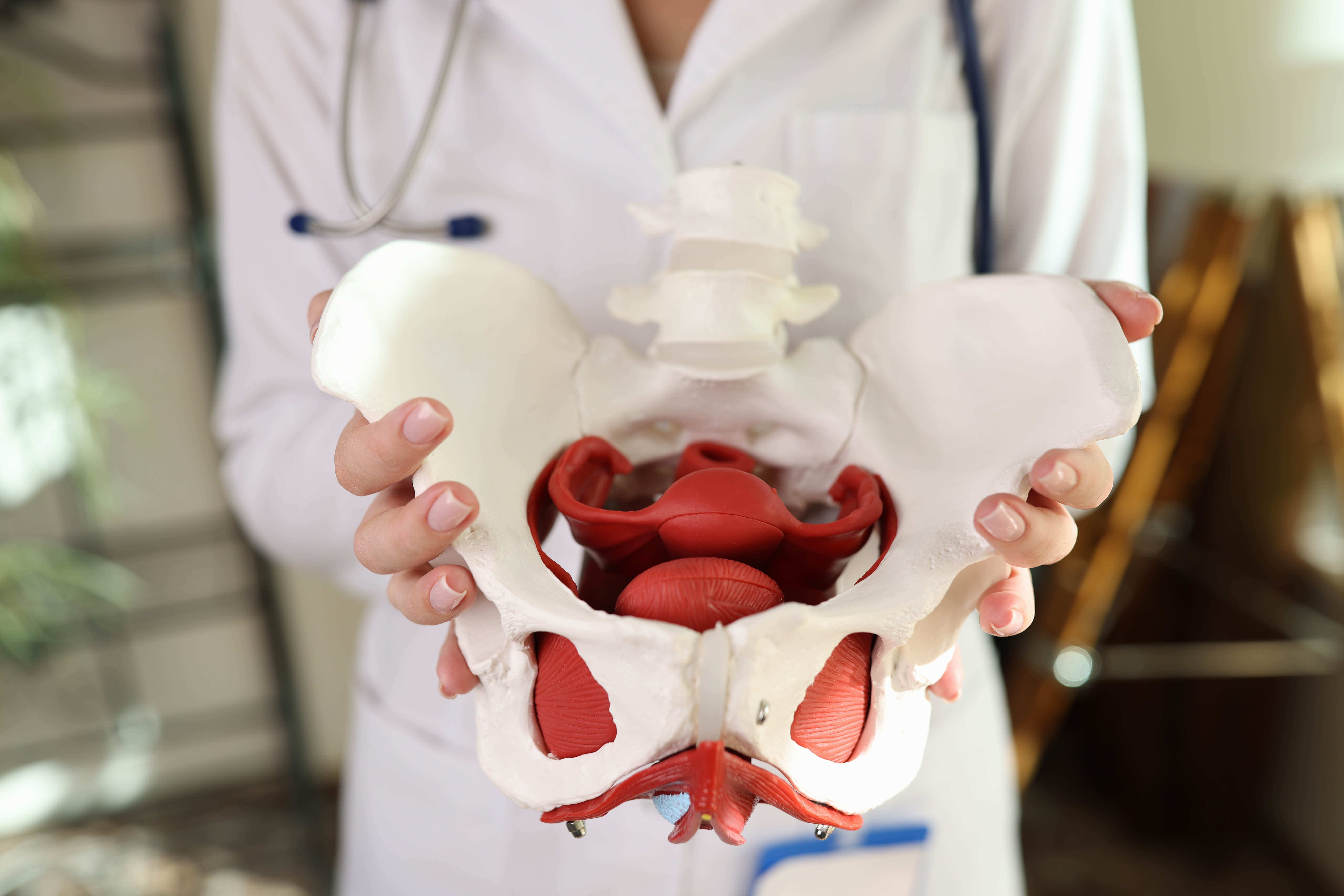
Kegels are exercises that involve contracting and relaxing the pelvic floor muscles to improve strength, endurance, and control. They are commonly recommended for pelvic floor dysfunction, especially for issues like urinary incontinence and mild pelvic organ prolapse. However, Kegels may not always be the answer.
-
Hypertonic Pelvic Floor: If the pelvic floor muscles are too tense or overactive, Kegels can make symptoms worse by increasing tension, leading to pain, urinary urgency, or painful intercourse.
-
Incorrect Execution: Many people do Kegels incorrectly, engaging the wrong muscles (e.g., glutes, abs) or bearing down instead of lifting.
-
Underlying Issues: Conditions like nerve damage, scar tissue, prolapse, or trauma may require manual therapy, stretching, or relaxation techniques rather than strengthening.
-
Lack of Coordination: Some individuals have poor muscle coordination, meaning Kegels alone won’t restore function without addressing breathing, core engagement, and posture.
Management of pelvic health concerns varies from person to person; some need relaxation, manual therapy, biofeedback, or lifestyle changes instead of strengthening exercises.
Don’t guess, get assessed!
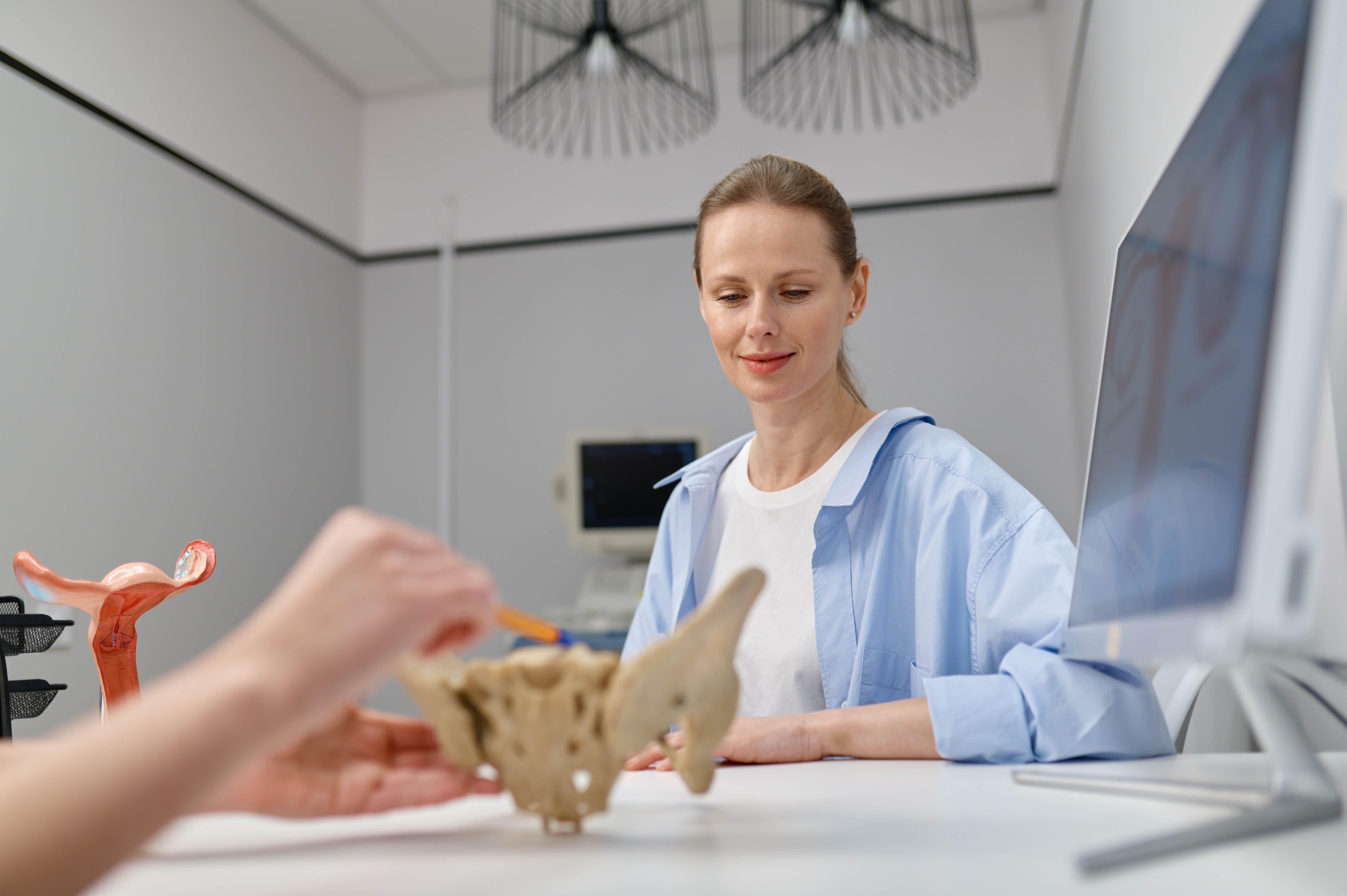
If you are experiencing concerns related to pelvic health, it is a good idea to seek guidance from a healthcare professional who specializes in pelvic health. Pelvic Health Physiotherapists are well positioned to address your pelvic health concerns. This includes conducting thorough and comprehensive evaluations, providing a diagnosis, working with your other healthcare providers and curating appropriate treatment and interventions that improve and enhance your pelvic health.

About the Author
Joanne Ukposidolo is a Registered Orthopaedic Physiotherapist and Certified Pelvic Health Therapist. With over a decade of experience, Joanne has a passion for educating, managing and treating symptoms of reproductive health issues such as Endometriosis and Uterine Fibroids in addition to Dyspurenia, Pregnancy, Postpartum care, Menopause and beyond. One of her goals in life is to create a positive, direct, and generational impact by empowering individuals to have a healthy relationship with their pelvic and reproductive health. With cultural sensitivity and an evidence-informed lens, Joanne believes in keeping up to date with best practices and believes that community and a biopsychosocial approach are key in the comprehensive understanding and management of an individual’s health.
Want more information regarding pelvic health?
Book a 15 min complimentary consultation with Joanne Ukposidolo, Registered Physiotherapist and Certified Pelvic Health Specialist. We want you to thrive, not just survive!
References
Carroll, L., O’ Sullivan, C., Doody, C., Perrotta, C., & Fullen, B. (2022). Pelvic organ prolapse: The lived experience. PloS one, 17(11), e0276788. https://doi.org/10.1371/journal.pone.0276788
Gunter, Jen MD . The Vagina Bible: The Vulva & the Vagina - Separating the Myth and the Medicine. Random House Canada, 2019.
Kenne, K.A., Wendt, L. & Brooks Jackson, J. Prevalence of pelvic floor disorders in adult women being seen in a primary care setting and associated risk factors. Sci Rep 12, 9878 (2022). https://doi.org/10.1038/s41598-022-13501-w
6771