What IS Functional Training anyhow?
Living Well
Written by: Meg Sharp MSc., Fitness & Well-being Consultant, Cambridge Group of Clubs
While I don’t add the word functional to describe the type of training I do with my clients, you wouldn’t be wrong if you labelled it as such. The human body needs a number of things in order to function optimally: Strength, endurance, mobility, agility. We need (want!) to be able to play, perform, and live with energy, coordination, and without injury. We need to feel fabulous – mentally and physically – now and for the long term. These all seem to me, to be highly functional goals.
func·tion·al
/ˈfəNG(k)SH(ə)nəl/
Adjective
- of or having a special activity, purpose or task
- designed to be practical and useful
A recent Conceptual Review determined there is “no consistent or universal definition” of Functional Training and that the broad range of benefits associated with programming under this umbrella do not differ from those provided by “other” or “traditional” types of training. They conclude there is no rationale for using the term.
You could look at it quite differently. Every person has unique goals, priorities, and needs: Our occupations differ. Our recreational activities differ. We differ physiologically and mechanically due to genetic, environmental, and historical variables. I know exercise can be fundamental in supporting us living our best lives; irrespective of what the actual activity is and however we arrive on the training floor. The exercises and routines which support better function are, therefore, going to vary from one person to the next. Sometimes dramatically. Is this then why it’s tough to find a “consistent definition”?
Functional Training is going to be as unique and dynamic as the person doing it.

That said, we still can have a solid framework to help Exercise Professionals and you understand how to create something that is functional. For you.
A Theoretical Scaffolding of Functional Training:
- Ultimately, exercise selection based on a person’s goals as well as their occupation, recreational activities, history, lifestyle, and likes.
- The initial design ensures an adequate fitness, mobility, and strength foundation is created to ensure safe, effective, and enjoyable execution of more dynamic exercises and programming.
- The vast majority of bodies are asymmetrical. So functional training needs to address those asymmetries. This means inclusion of single limb activities are vital.
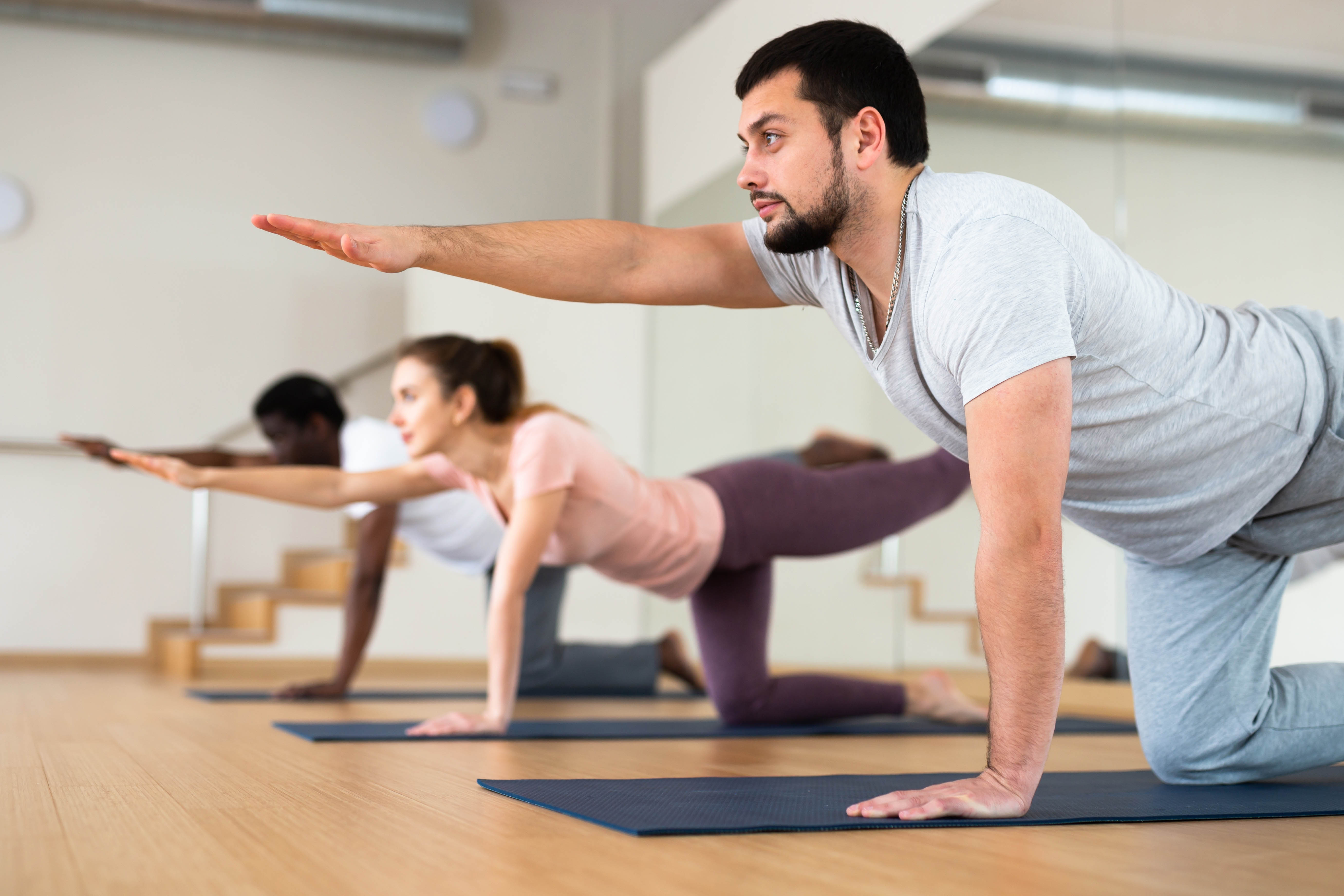
- Our lives – our jobs, our sports, our recreation – need us to be strong in specific patterns. Functional training will address these needs to facilitate better performance and lower the chance of injury.
- Also, our lives – our jobs, our sports, our recreation – skew us to arrive on the gym floor with certain strength patterns extremely well established, while others are dormant. Functional training will counter balance over-used patterns with the goal of a more balanced, resilient, and dynamic body.
- More important than exercise selection, it is the proper execution of these exercises. Effective strength development has a neuromuscular base. Especially for new patterns and movements. Involving your brain and being mindful is key.
- Occupational stress and human nature together bias the body to be stronger in certain positions and planes. Functional training rounds out our strength profile and often requires strengthening of the posterior chain, as well as lateral and rotational movement.
- We tend to sit for too long, and lose mobility and balance as we age. Functional training addresses these limitations as well.
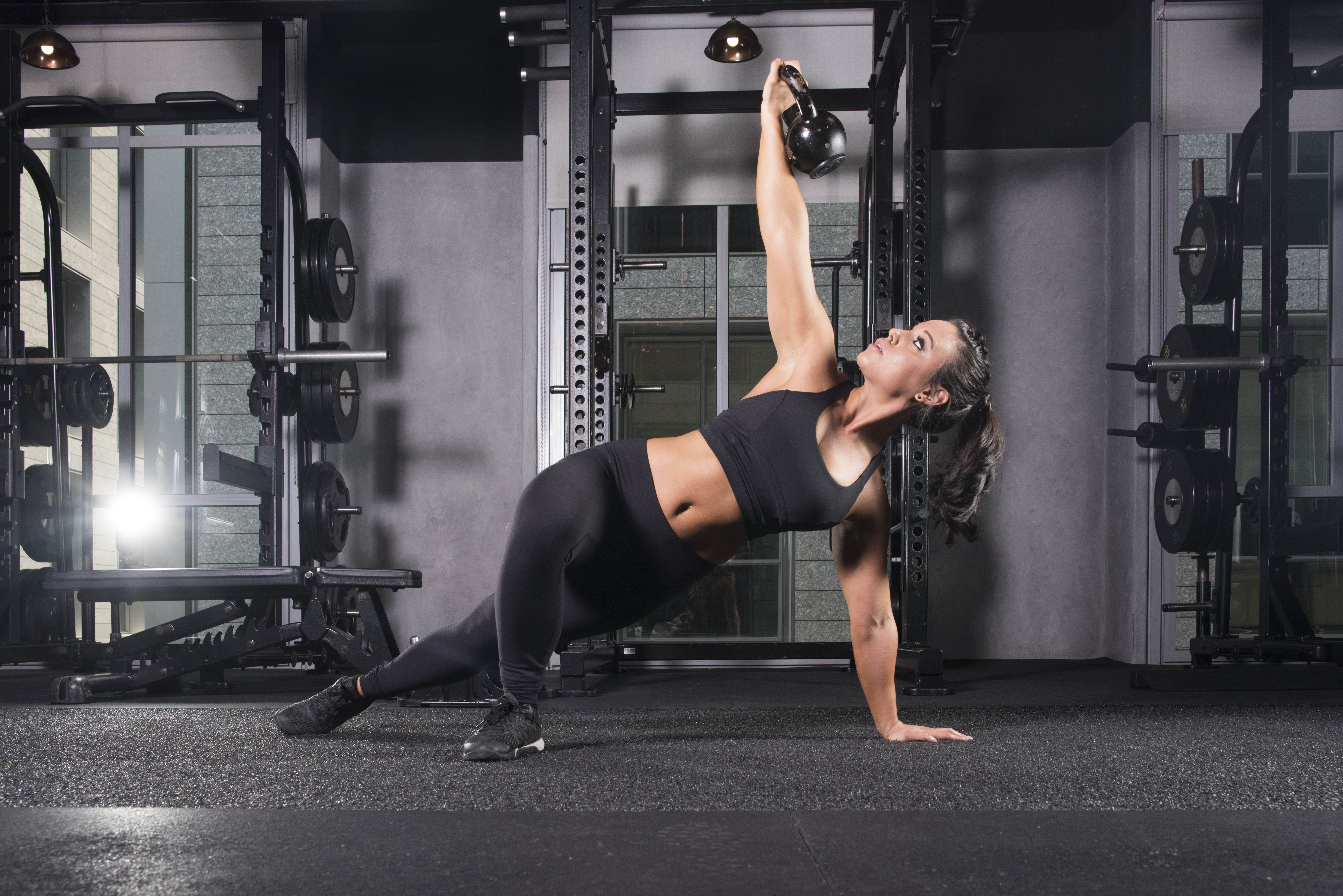
- There is a library of exercises that have been labelled as “Functional” in nature. These are typically dynamic, multi-joint movements that are SO MUCH FUN to do. They mimic sports and every day movements. I give many a huge thumbs up. However, how these movements are executed is of the utmost importance. For safety, for sure, and also if the goal of creating better function is to be honoured. Remember: we often arrive on the training floor with certain asymmetries and specific strength patterns well entrenched. When we perform a dynamic, challenging movement, it is very difficult for the body not to default to using the muscles and patterns that are already strong. As part of our functional base, we address asymmetries and wake up dormant muscles and muscle patterns. As we learn to perform dynamic, complex movements, we want to include those new muscle patterns everywhere they are appropriate. This will create a dynamic resilience, body awareness, and confidence that will optimize any type of training. Whatever you want to call it!
Need help creating a functional plan for yourself? Reach out. We’d love to help.
4429