Exercise for Results
Living Well

Written by: Meg Sharp, Fitness & Wellbeing Consultant, Cambridge Group of Clubs
Earlier this month, we explored how deciding that everything counts can be a powerful mindset shift in supporting a lifelong commitment to movement and exercise.
Exercise adherence is tough. We acknowledge and believe the myriad of life transforming benefits that accompany regular sweat fests. Still, we struggle to stick to it.
I have asked you to avoid hiding behind the notion that you don’t have enough time. I said there were three different perspectives and strategies I wanted you to explore and embrace instead:
- EVERYTHING counts
- KEEP exercise as one of your priorities
- Focus on how movement – any movement – makes you FEEL
Last time we looked at the evidence to support significant, positive benefits that accompany exercise bouts ranging from 60 seconds to 9 minutes. I encouraged you all to simply do a little something, understanding that the brain and the body don’t care as much about how long you’ve done something, but rather that you DID IT. That beyond specific physiological and affective benefits, these regular exercise snacks support forward momentum, feelings of accomplishment, and habit formation.
Today let’s peel some layers off #2, starting with the fact that when something is a priority, we make time for it. Think about a time when you committed to a goal around exercise. Maybe it coincided with a New Year’s resolution, an upcoming important event, a health scare… We determine we want to lose weight, run a marathon, or build a stronger heart and regular exercise is integral to attaining this phenomenal goal. So, a shift happens: We buy new gear, set an earlier alarm, join a gym or cycling group, and we exercise! Every day sometimes!
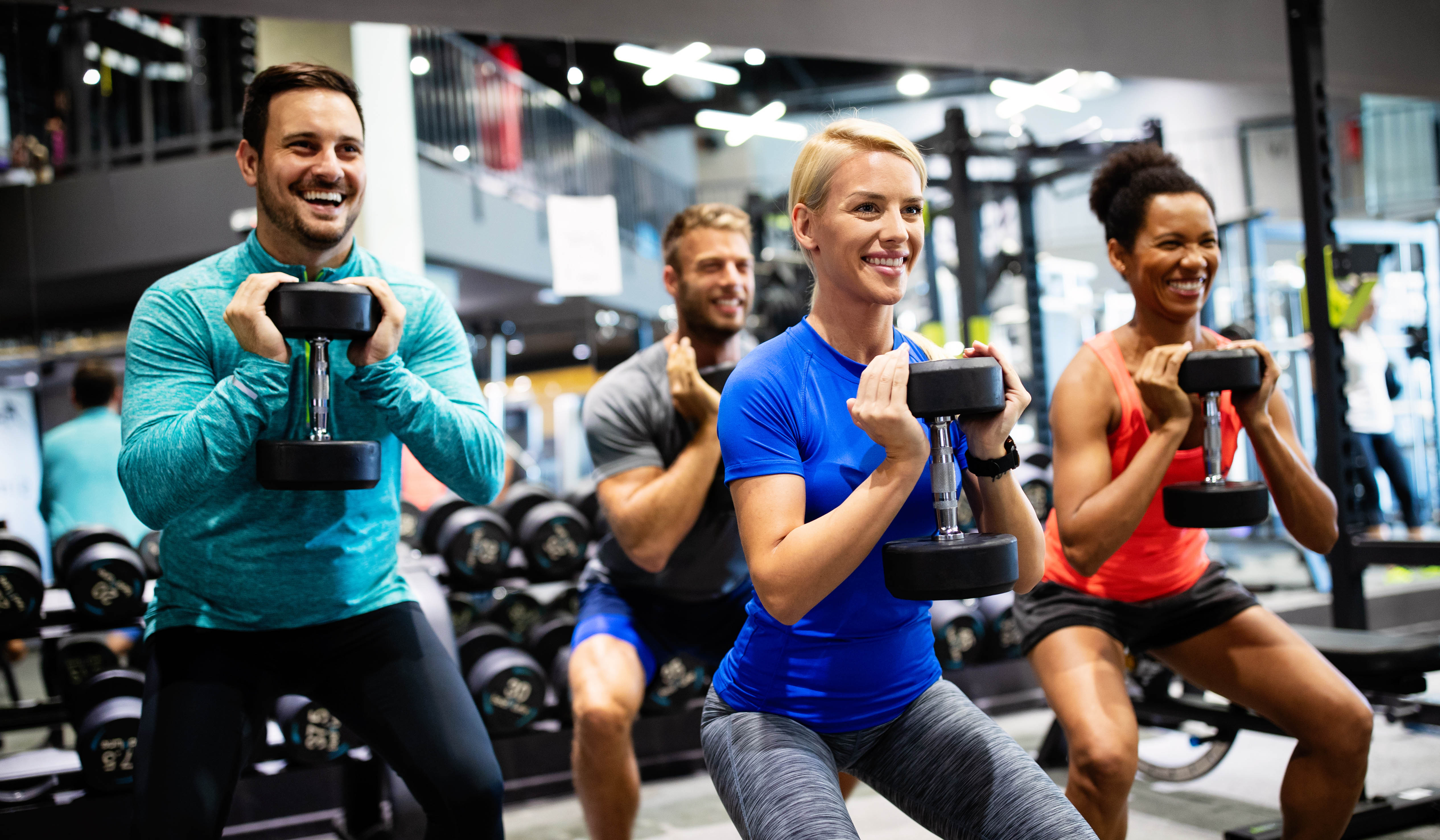
With this shift in behaviour, did our schedule also shift to suddenly free up 3+ hours per week to exercise? Typically, no. What shifted? Your priorities. Suddenly exercise is important to you. Well, not exactly: Suddenly the new end game is important. The smaller jean size, the esteem of completing a grueling race, the longer life span… Exercise becomes a priority because you want that future. You want those results.
Problem solved: As long as we have a valued, important, tangible goal, then the exercise that ultimately facilitates this goal will be a priority and we will make time.
Here’s the tricky part: Sometimes, on our journey to that important end goal, something happens and the exercise gets bumped off the priority list. There are a number of things that might facilitate this. One of the most common ones, is that the exercise does not seem to be getting you closer to that end goal. Or not fast enough anyways. Put as a question: how are you supposed to keep exercise a priority if it is not garnering you the results you so desperately want or need?
Here’s the thing: We are never going to prioritize an activity or behaviour that doesn’t garner results that we deem valuable. Which makes sense. Exercise takes effort! Why do it if we aren’t getting enough out of it?

Before you throw up your hands and feet, give up, drop out, cancel your gym membership and blame yourself, I have a couple of things for you to consider:
- Were the exercise changes you were making the right ones to facilitate the results you wanted?
That is, if you wanted to run a marathon did you have an appropriately curated schedule that considered your running history, injury history, fitness level, and time required to build to 42km safely? If you were trying to lose weight, did you make time and have the patience to first build a strength and endurance foundation? One that would ensure you could ultimately commit to some high intensity workouts? Some serious muscle building? A relatively high volume of exercise overall? Did you make some shifts in your nutrition? Were you sleeping enough?
Yes, everything counts and all exercise makes a positive difference. But if your end goal is lofty and specific, then your exercise behaviour will need to be lofty and specific as well. I’m a huge fan of exciting goals, provided you have the patience and resilience to commit to all the behavioural shifts that will be required to get there. Including the ability and knowledge to pivot effectively when required.
- Are there additional results – specifically smaller, or more subtle benefits – that the exercise is garnering that can either replace the lofty goal or help buoy you enough that you can stay committed?
What I’m suggesting is you broaden your notion of important results. Yes, lifting your own body weight, cycling at 300 watts and growing the girth of your biceps are exciting goals. I call them “cocktail party goals”. They are fun to talk about, post on Instagram, and certainly can galvanize massive efforts on the workout front. As I explained above, these endeavors take specific effort, time, grit, and patience. The initial effort isn’t always sustainable.
I encourage all clients to have more than one goal. The more the merrier. Rather than being solely concerned about body composition, notice how great your posture has become. That your back pain has decreased. That you feel stronger, more centered. Especially right after a workout. That on the days you have a running workout you have better energy. Your legs are stronger, so it’s easier to walk up the stairs. You crave healthier foods. You are a more patient friend and more creative at work. You sleep better.

Noticing and valuing these smaller results is incredibly powerful:
- They help you maintain positive affect and momentum as you continue to push for your ultimate goal.
- If the ultimate goal becomes, for whatever reason, unattainable you have so many other amazing reasons to keep on exercising.
- As you continue to reap the small rewards that exercise garners, your relationship with exercise and your own body becomes more positive. You enjoy the exercise even more. You feel better in and about your body.
- If you become injured you more seamlessly pivot to another type of movement.
- You begin and continue committing to exercise for the simple, powerful reason that it makes you feel awesome. This becomes your most compelling result. The big end game will be fun if you make it. But the journey has become far more rewarding and important.
Would you look at that. We just answered Mindset & Strategy Number 3: Focus on how movement – any movement – makes you FEEL!
Go put your sneakers on. Celebrate how it makes you feel. Even if you only have 2 minutes.

4532