Secure Your Oxygen Mask First
Living Well

Written by: Meg Sharp, Fitness & Wellbeing Consultant, Cambridge Group of Clubs
When faced with a loved one, friend, coworker, even stranger who is struggling, securing your own oxygen mask first can feel counterintuitive. Wrong even. Yet, putting yourself first in fact favours everyone and everything else. Taking care of yourself means you are grounded, stronger, clear-headed, and resourceful. Even in a crisis. It’s quite simple.
Why then is it so different when it comes to exercise? Yes – there is work, bosses, parents, kids, laundry, and deadlines… teams to lead, projects to start, and lunches to pack. You can – you can! – manage all that BETTER when you’re a little bit fitter. And to become a little bit fitter, you need to fit in a little exercise.

Exercise, even in small bouts, makes you stronger, more mobile and powerful. It reduces anxiety and depression. It improves cognition, memory, creativity, and problem solving. It makes you more resilient in the face of stress, less prone to anger, and more comfortable, more confident in your skin.
These changes make you your own version of a superhero. You become a more effective agent of change. Better able to help those in need, carry an extra burden, and transform some part of your universe. Better able to help and transform yourself too. It’s not selfish. It’s clever.
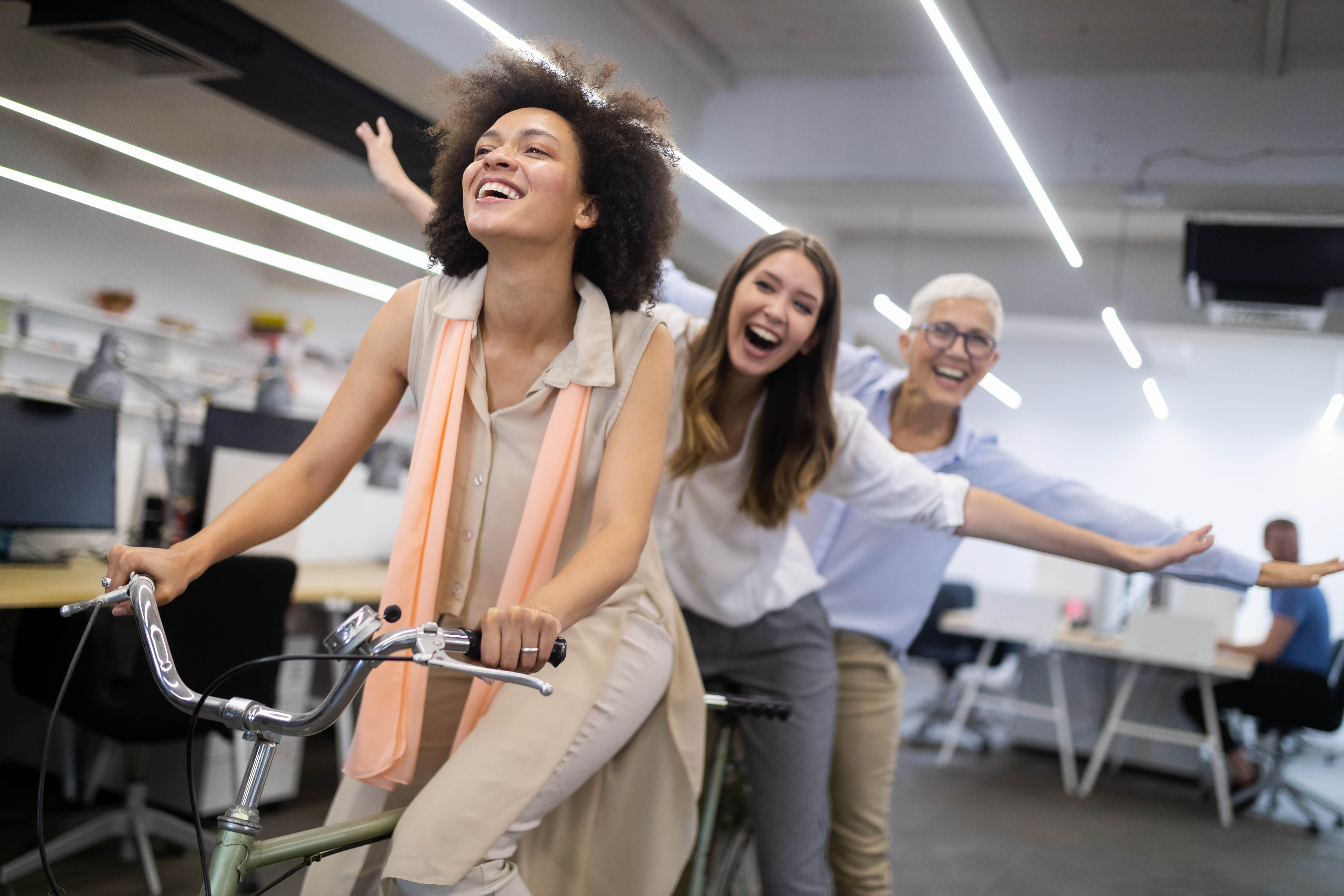
Caregivers – including “sandwich caregivers” – who exercise regularly are less burdened and burned out. Children with active parents may be 6 times more likely to be active themselves. People are far more likely to exercise and eat well when they have a boss or co-worker who does so. People who exercise tend to have better walking, standing, and even desk postures. Did you know good posture is contagious?

Here are some proven strategies:
- Go for a walk after dinner. You are more likely to sleep better and have better energy, information processing, and concentration at work the next day.
- Get up every 30-60 minutes and walk, stretch, or squat in place for at least 60 seconds.
- Do an 8- to 15-minute HIT workout in the morning before you shower. You are more likely to be patient with your family or roommates, less stressed and reactive at work, and more creative.
- During a mid-afternoon energy slump, head outside for a brisk walk or go up 5-6 flights of stairs. You are less likely to grab a coffee (which will negatively impact your sleep) or sugary sweet, and are likely to be far more efficient getting your work wrapped up by end of day.
- Suggest a walking meeting with your coworker. Among other benefits, it can be easier to broach and resolve difficult situations when you are walking side-by-side.
We’d love for you to prioritize exercise for your own sake. If it helps to know what a positive impact it has on those you work with and care about, then grab that knowledge and run with it. Literally.

4481