Reverse Running & Training Backwards
Living Well
Written by: Meg Sharp, MSc, Fitness & Wellbeing Consultant, Cambridge Group of Clubs
Most of us were not born with eyes in the backs of our heads. So, we have always been far more comfortable moving forward. We walk forward, run forward, reach forward, bend forward, cook forward, sit and work forward… You get the idea.
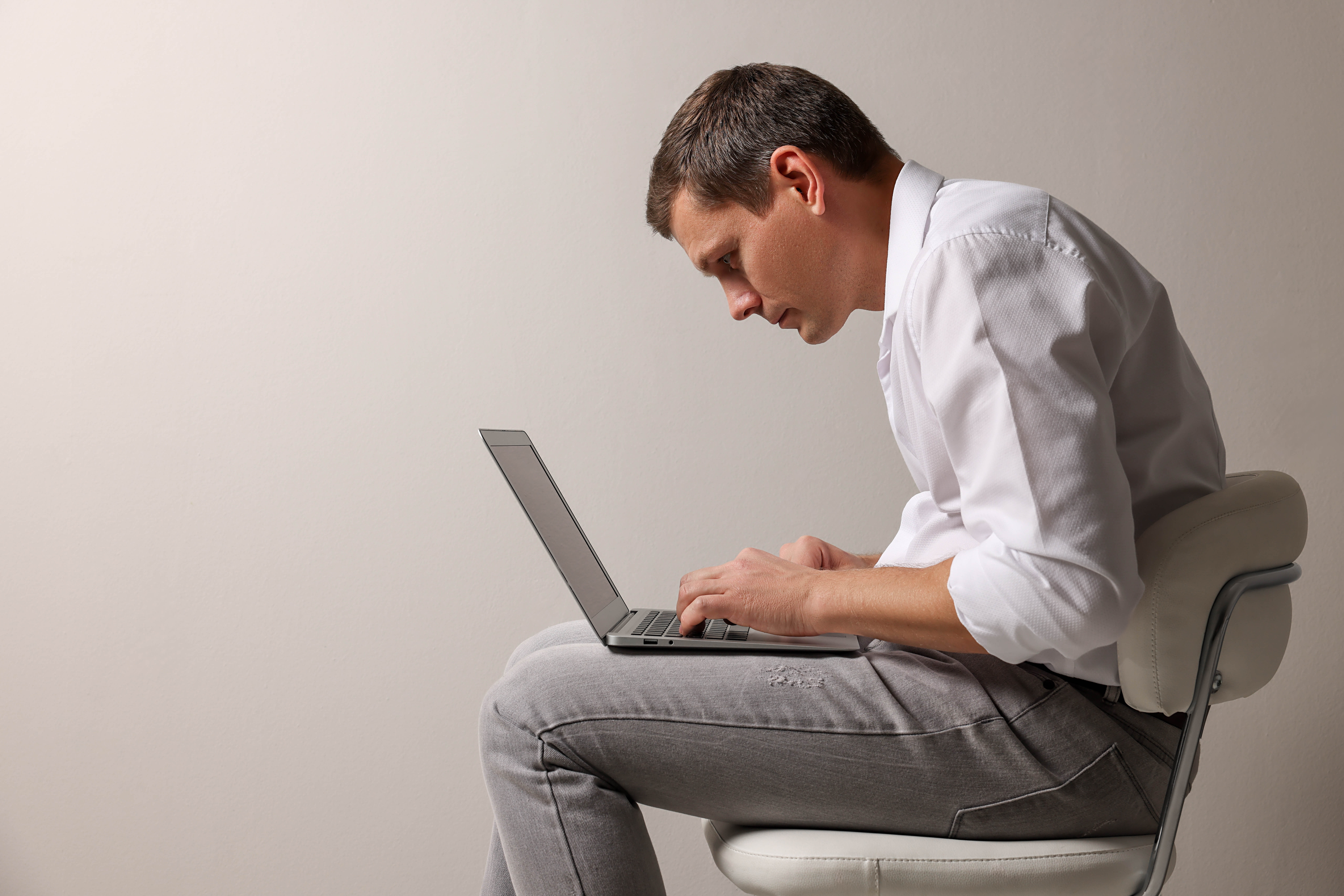
Consequently, our strongest muscle patterns are those that hold and propel us forward. As with any activity, these inherent asymmetries of daily living and even much of our exercise-based activities leave us vulnerable to overuse injuries. Training opposing muscle patterns is an interesting and worthy challenge that will make us better balanced. In so many wonderful ways.
Reverse Walking and Running:
Of growing popularity, these activities can be done on a treadmill, the road or the trails. Backwards ambulation offers a great aerobic activity that engages far more hamstrings, calves, and glutes than its forward-facing cousins. It’s also associated with less strain and compression forces on the knees, and is sometimes used as an efficacious and safe way to continue training despite knee injury. The unique challenge of moving without your eyes as a guide enhances balance and proprioception: training benefits that are particularly salient as we age. The increased spatial attention and use of your peripheral vision offer novel stimulation to the brain and enhance cognitive function.
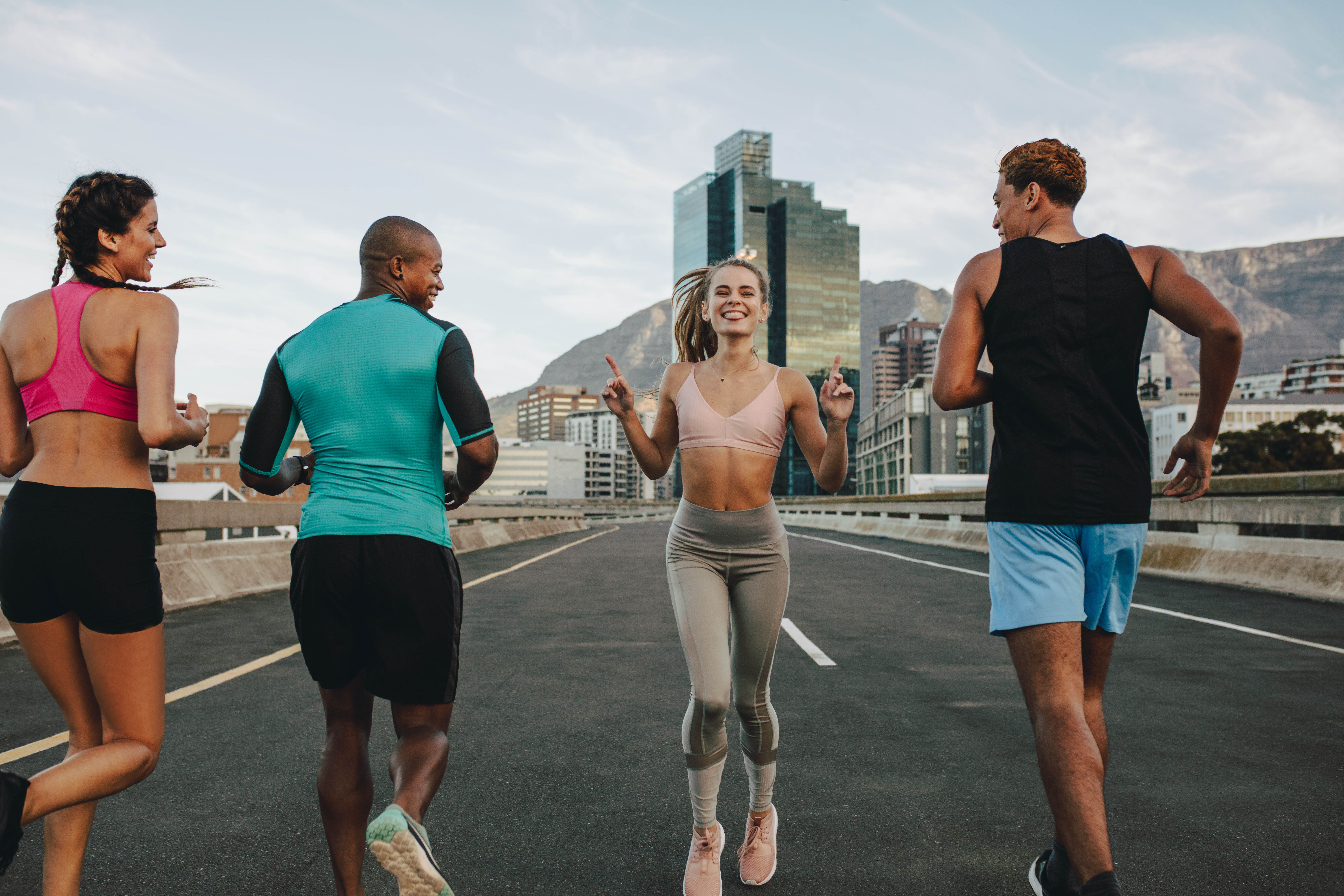
If you’re on the road or the trails, you will benefit from having an exercise partner who can help you safely navigate obstacles. On your own? Check your path and go in reverse for 15-30 seconds only. Turn back to the front and then spin around again as soon as you’re ready
Reverse Sled Pull:
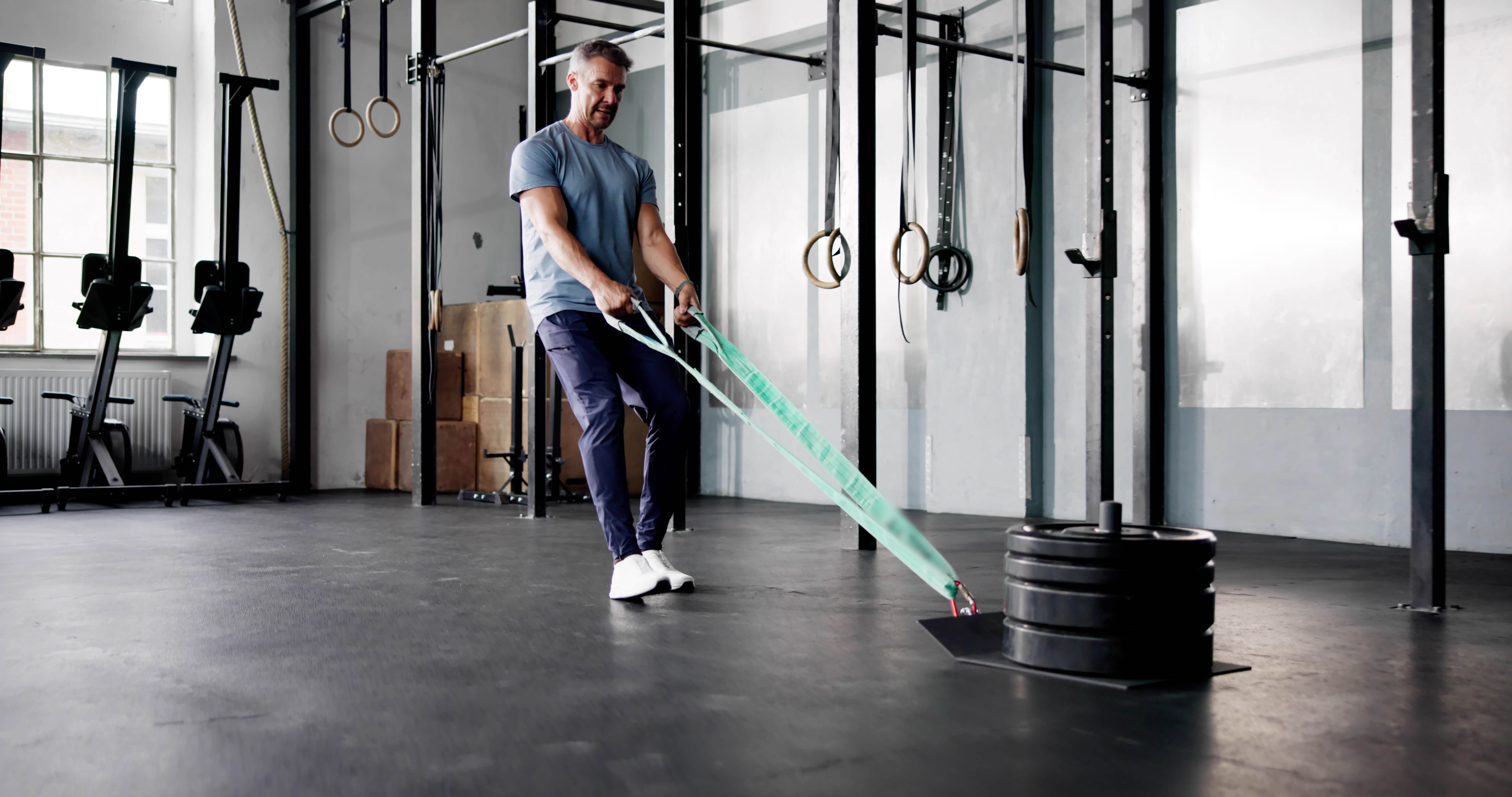
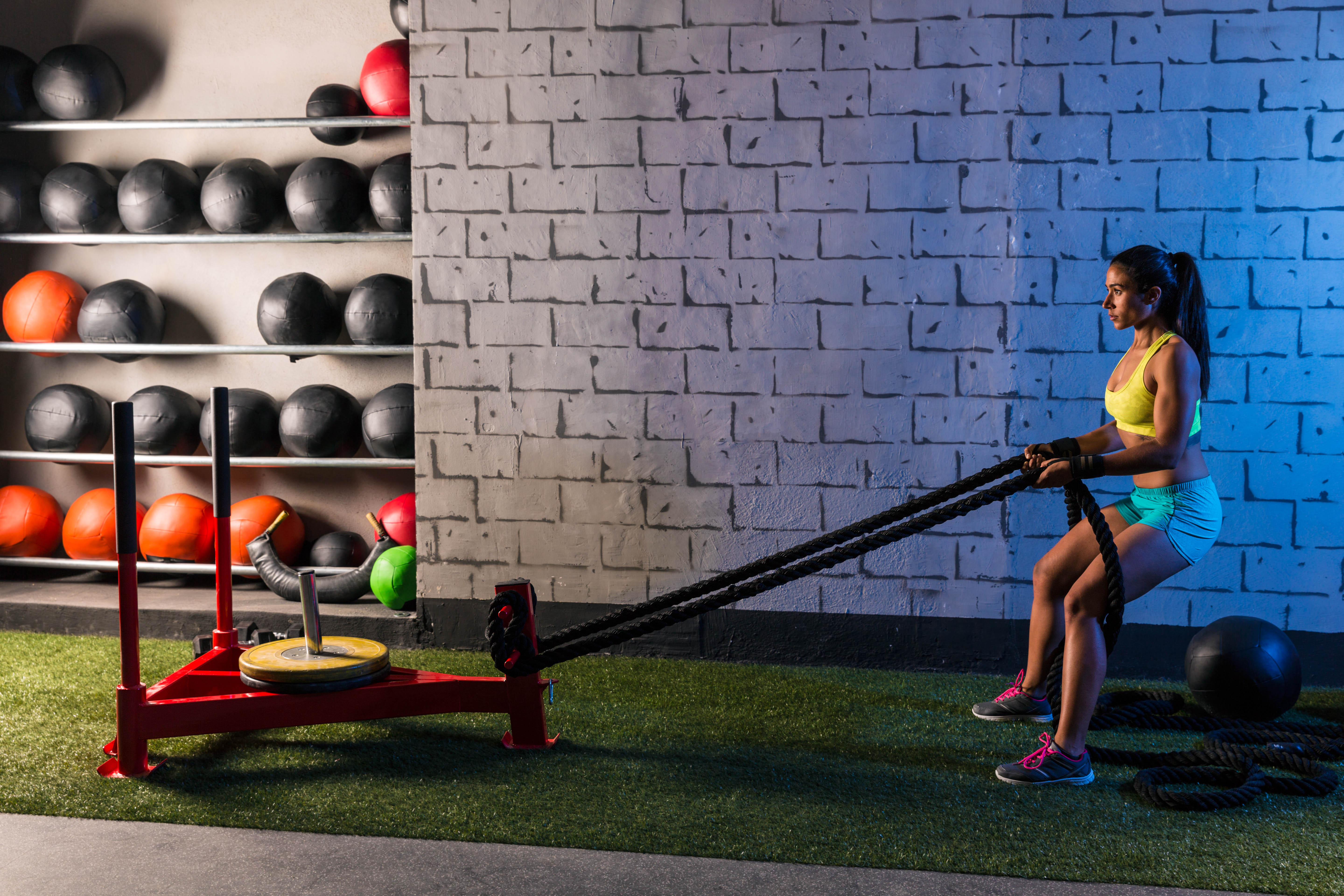
The Sled Push is an awesome exercise for core stability and challenging your entire system. Done with enough weight and/or pace it can make your heart rate soar! Why not pull the sled backwards instead? Hook the handles on the base of the sled, engage the backs of your shoulders and core, squat down a little, and start walking back. As an alternative, squat to just above parallel, brace, and row the sled towards you. Step back. Squat again. Repeat. To keep things balanced, alternate the leg you use to step back.
Reverse Lunge:
Stepping backwards into your lunge tends to recruit more glutes, hamstrings, and core while placing less pressure on your knees and low back. As with backwards walking and running, it challenges balance and coordination more than the forward version. Add weight to increase the challenge. Supersize the challenge with a backward walking lunge (checking for obstacles beforehand and as you go)!
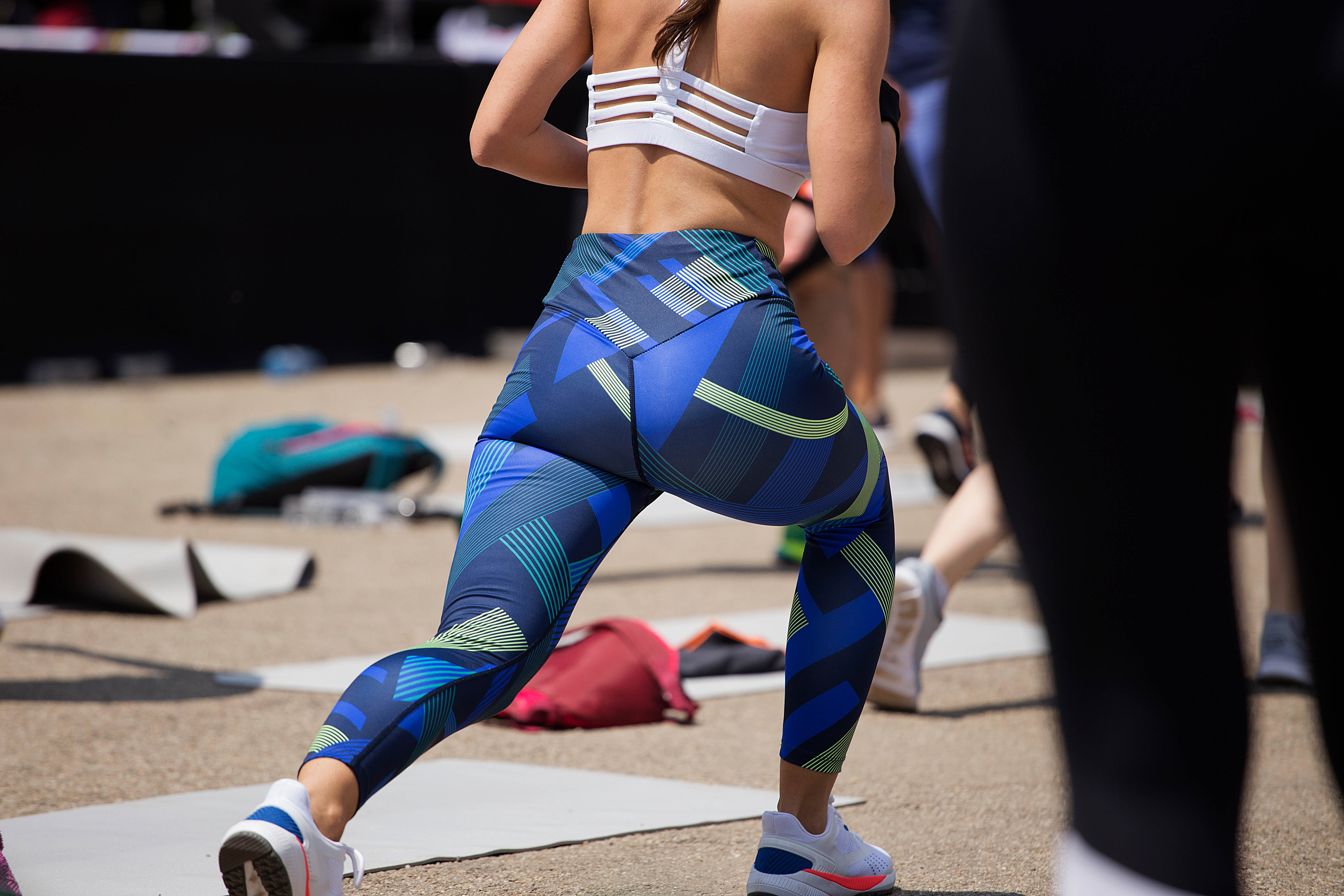
Because we spend so much time being and moving forward, I would argue that all of us benefit from focusing more on our posteriors when we’re strength training. Glute drives and hip extensions. Seated Rows, One Armed Rows, Lat Pulldowns, and Pull-Ups. Reverse Flyes, Face Pulls and Prone Ys, Ts & Is, to name a few.
As always, if you would benefit from some help incorporating effective reverse movements into your workout, we’d be thrilled to lend a hand. Click here to connect with our Personal Training teams:
4912