Treating Anxiety from a Naturopathic Perspective
Healthy View

Written by: Dr. Madison Sangster-Newbery, Naturopathic Doctor, Adelaide Health Clinic & Sport Medicine Clinic
The number of Canadians older than 15 with generalized anxiety disorder (GAD) has doubled from 2.6% in 2012 to 5.2% in 20221. Although anxiety can impact anyone, young women between the age 15 and 24 have been particularly affected, with the prevalence of GAD tripling since 20121. Anxiety can present itself differently for everyone – for some, it’s a constant feeling of worry, while for others, it can be more acute or triggered by specific settings and situations. Some common symptoms include:
Cognitive and Emotional
- Panic
- Restlessness
- Irritability
- Difficulty concentrating
Physical Symptoms
- Muscle tension
- Insomnia
- Heart palpitations
- Gastrointestinal distress

From a naturopathic perspective, the goal of treatment is to not only alleviate symptoms, but to address the underlying causes of anxiety. Naturopaths take a holistic approach, which means addressing the physical, mental, emotional, social, and spiritual components of health. Working together, we can develop a comprehensive plan that supports long-term emotional balance and equips you with tools to manage anxiety.
Understanding the Root Causes
Anxiety often stems from deeper imbalances in the body. These can include things like nutritional deficiencies, poor gut health, hormone imbalances, chronic stress, poor sleep, medications, or even environmental factors.
Nutritional Support
Our diets have a significant impact on how we feel. Whole foods like fruits, vegetables, lean proteins, and healthy fats help stabilize mood and brain function.

Nutraceuticals
Supplementation of Omega-3 fatty acids, L-theanine, B vitamins, and magnesium have all been proven to help support brain health and reduce anxiety.
Botanical Medicine
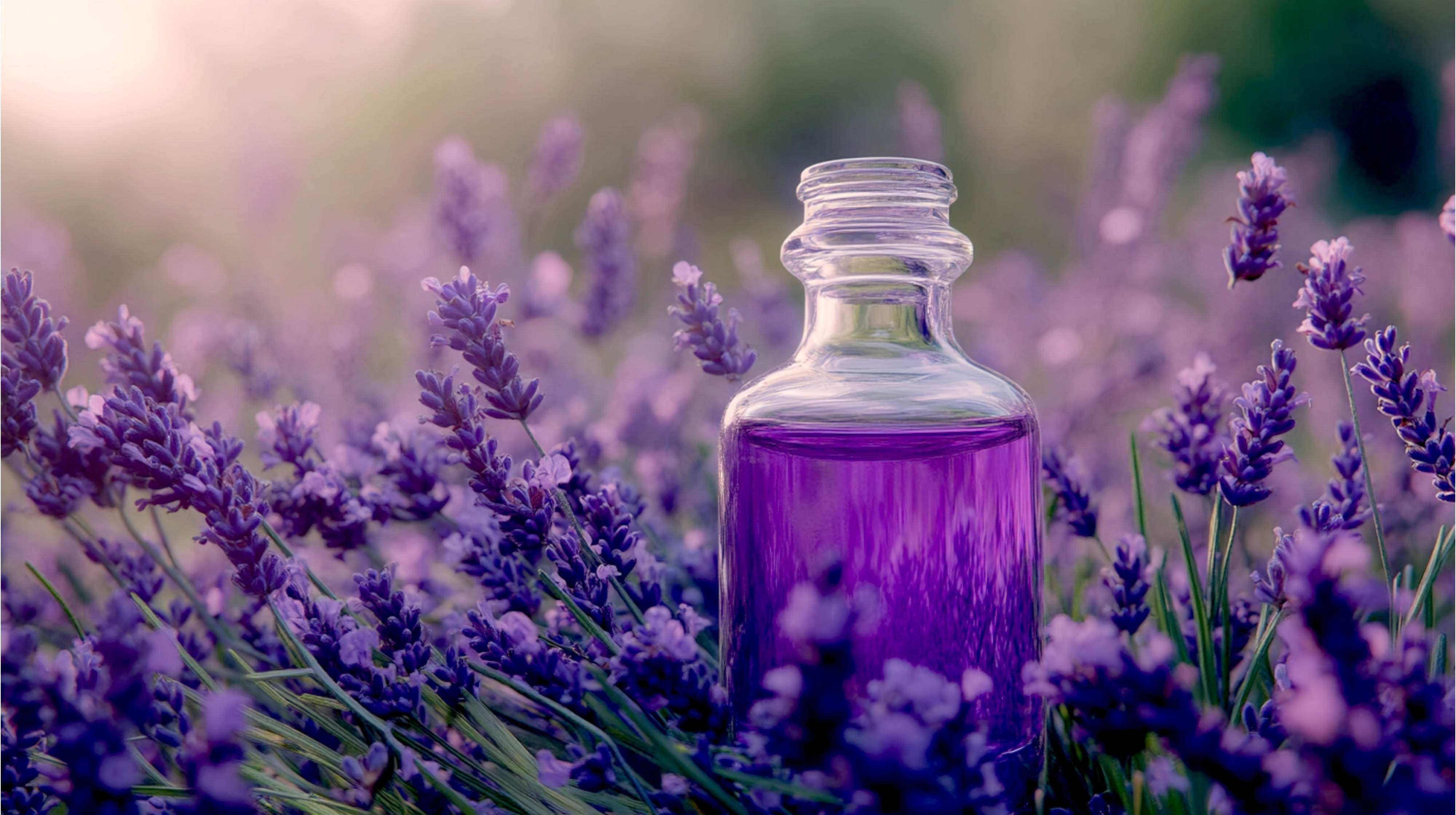
A wide variety of herbs, including (but not limited to) ashwagandha, passionflower, valerian, lavender, and rhodiola, have been shown to be effective, yet gentle, in the management of anxiety.
Traditional Chinese Medicine
Acupuncture can help to alleviate anxiety, not only by addressing emotional imbalances, but also by targeting related physical symptoms, such as digestive issues, headaches, or insomnia.
Lifestyle
Regular movement is a natural mood booster. Whether it’s walking, playing sports, attending that Pilates, dance, or cycling class, exercise promotes the release of endorphins, the body's natural feel-good chemical.
Mindfulness practices like meditation, deep breathing, or guided relaxation exercises can further help to reduce stress and build emotional resilience.
Sleep is equally important for managing anxiety. Optimizing your sleep environment and behaviours before bed can significantly improve sleep quality and help ease anxiety.

When to Seek Help
While stress is a part of life, it’s important to know when it’s time to seek help. If you've frequently felt nervous, on edge, or unable to control your worrying in the past two weeks, it is time to reach out to a healthcare provider. Remember, mental health is just as important as physical health—don’t wait for anxiety to get worse before addressing it.
Why Work with a Naturopathic Doctor?
Naturopathic doctors treat anxiety holistically, focusing on the root causes, not just the symptoms. With a personalized plan, we aim to restore balance to your body and mind. We’re also trained in pharmaceuticals and can work in parallel with any medications you're taking, ensuring a safe and integrated approach to your health. Working with a naturopath means addressing anxiety from all angles, leading to long-lasting relief and better general health.
Want to know more about how naturopathic medicine can support your mental health?
Book a 15 min complimentary consultation with Dr. Madison Sangster –Newbery ND. Let’s get you mentally and physically healthy!
About the Author
Dr. Madison Sangster-Newbery, ND is driven to help you achieve optimal health. Having personally navigated the challenges of anxiety, Dr. Madison, ND understands the profound impact it can have on daily life. This experience ignited a deep commitment to finding natural and sustainable approaches to manage anxiety. She integrates a variety of naturopathic modalities, including herbal medicine, nutrition, lifestyle counseling, and mind-body techniques, into personalized treatment plans with the aim to empower individuals to regain control of their mental health by addressing the root causes of anxiety, offering support that goes beyond symptom management.
Dr. Madison Sangster-Newbery ND is currently licensed and registered to practice in Ontario under the College of Naturopaths of Ontario. She is a member of both the Ontario Association of Naturopathic Doctors and the Canadian Association of Naturopathic Doctors.
Disclaimer: This article is for informational purposes only and does not constitute medical advice. Please consult a licensed naturopathic doctor or other healthcare provider before making any changes to your health regimen or treatment plan.
References
Statistics Canada. (2023, September 22). Study: Mental disorders and access to mental health care. Retrieved from https://www150.statcan.gc.ca/n1/daily-quotidien/230922/dq230922b-eng.htm
7656