Want to "Spot Train"? Keep Exercising.
Living Well

Written by: Meg Sharp, Fitness & Well-Being Consultant, Cambridge Group of Clubs
How’s that for a provocative headline?
The notion of “spot training” has been around for an extremely long time. For almost as long, health and fitness professionals, such as myself, have been patiently explaining why this practice doesn’t work.
And still the goal persists.
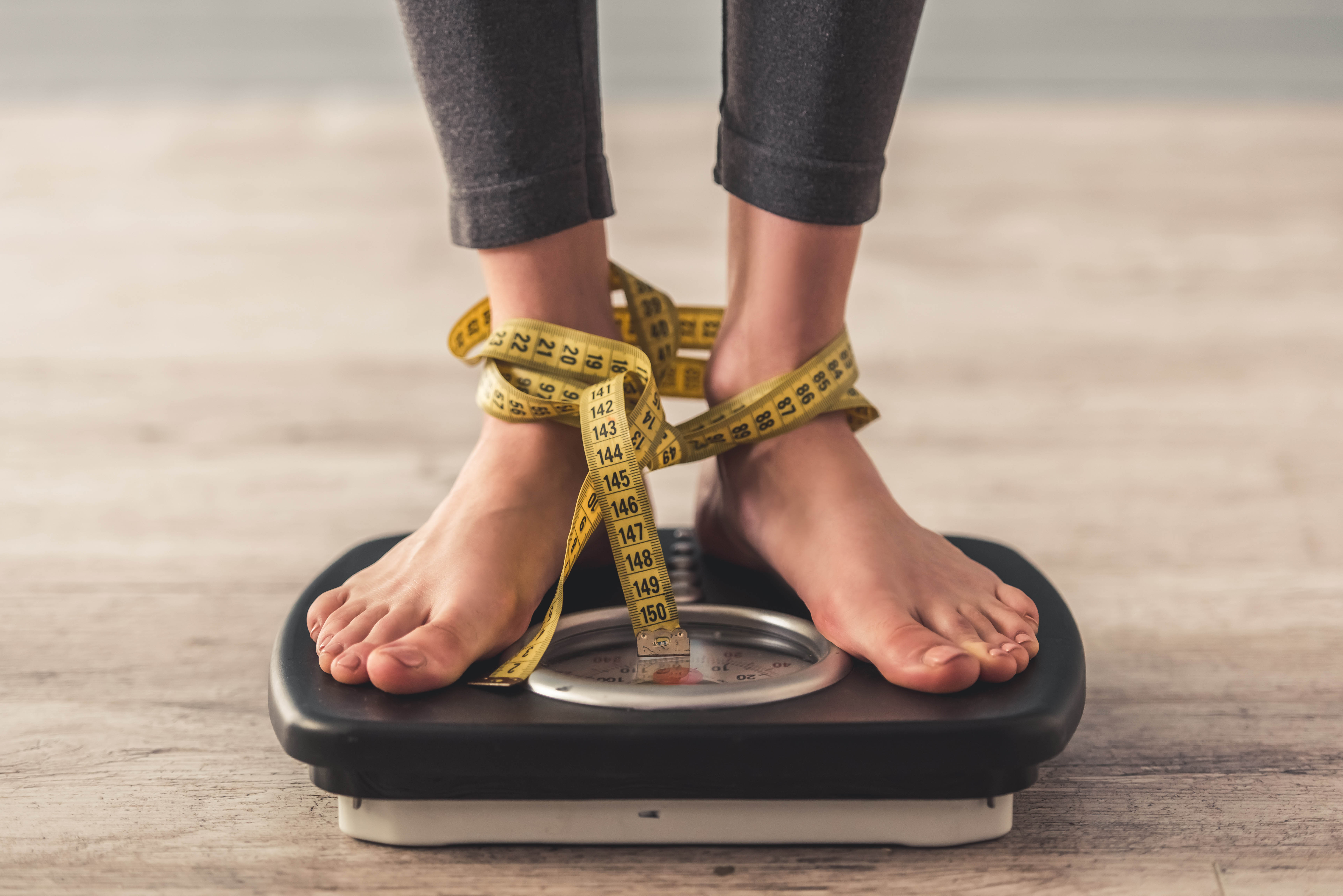
At best, the aspiring exerciser realizes the futility of the focus and pivots to a realistic goal. At worst, the individual suffers overuse injuries, eating disordered behaviour, or feelings of frustration and failure. Even worse: they stop exercising all together and waste their money on creams or supplements. More frightening: they explore the possibilities of drugs or surgery.
Dear reader: I want you to exercise for the rest of your life. AND I want you to feel good about your body.
I’m not sure explaining why “spot training” aka “spot reduction” isn’t possible is helpful. Though I’m certainly up for the challenge. If you’d like me to give you my 2 cents on the topic – please let me know msharp@cambridgegroupofclubs.com.
For today though, I’d like to encourage you to change the conversation: with your workout buddies, your friends, and, most importantly, with yourself.
We’re more likely to be born with a slight negative bias when it comes to our physical bodies. We’re hard wired for survival and propagation. A critical eye might motivate us to adopt behaviours that ensure we are the strongest, the fastest, the most resourceful, the most fertile. That’s not necessarily a bad thing. It’s only problematic when you’re trying to make your body look a certain way. Especially if you don’t have the natural build or genetics to support that look.
There’s nothing wrong with wanting to be attractive. What I’m encouraging is a redefinition of what that means. Especially since we know that, in some cases, people go to extreme measures to attain a certain body shape, then subsequently remain dissatisfied with their new body. Parts of them get bigger or smaller, but their self-esteem and body image stays the same. Almost like it’s impossible to override that negative bias. Particularly in the face of social media images which are more than likely not based on reality.
And while we can centre our definition of attractive around what a body looks, it’s far more interesting to focus on what someone’s amazing body can do.

So, as I said at the beginning, if you want to “spot train” then, for goodness sake, keep exercising.
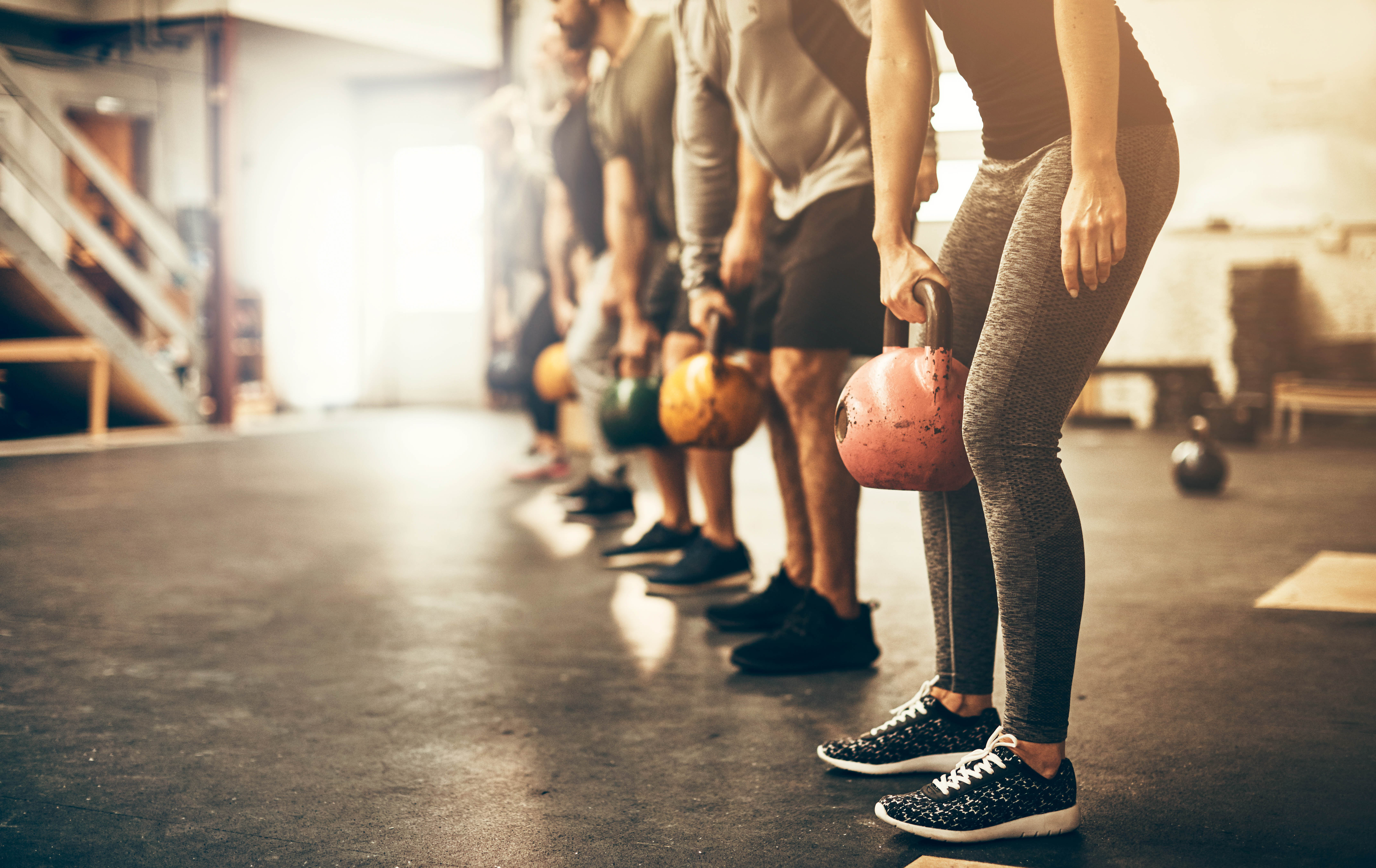
Lift weights. Especially heavy ones. First off it makes you stronger. And there are so many fun things that accompany being strong. As importantly, numerous studies have shown that regular strength training improves body image. Specifically, lifters hold positive feelings towards their body regardless of appearance, size, or shape. People who lift heavy weights are more likely to shift training goals so they are centered around building strength and power. In other words, more functional motivations displace esthetic ones.
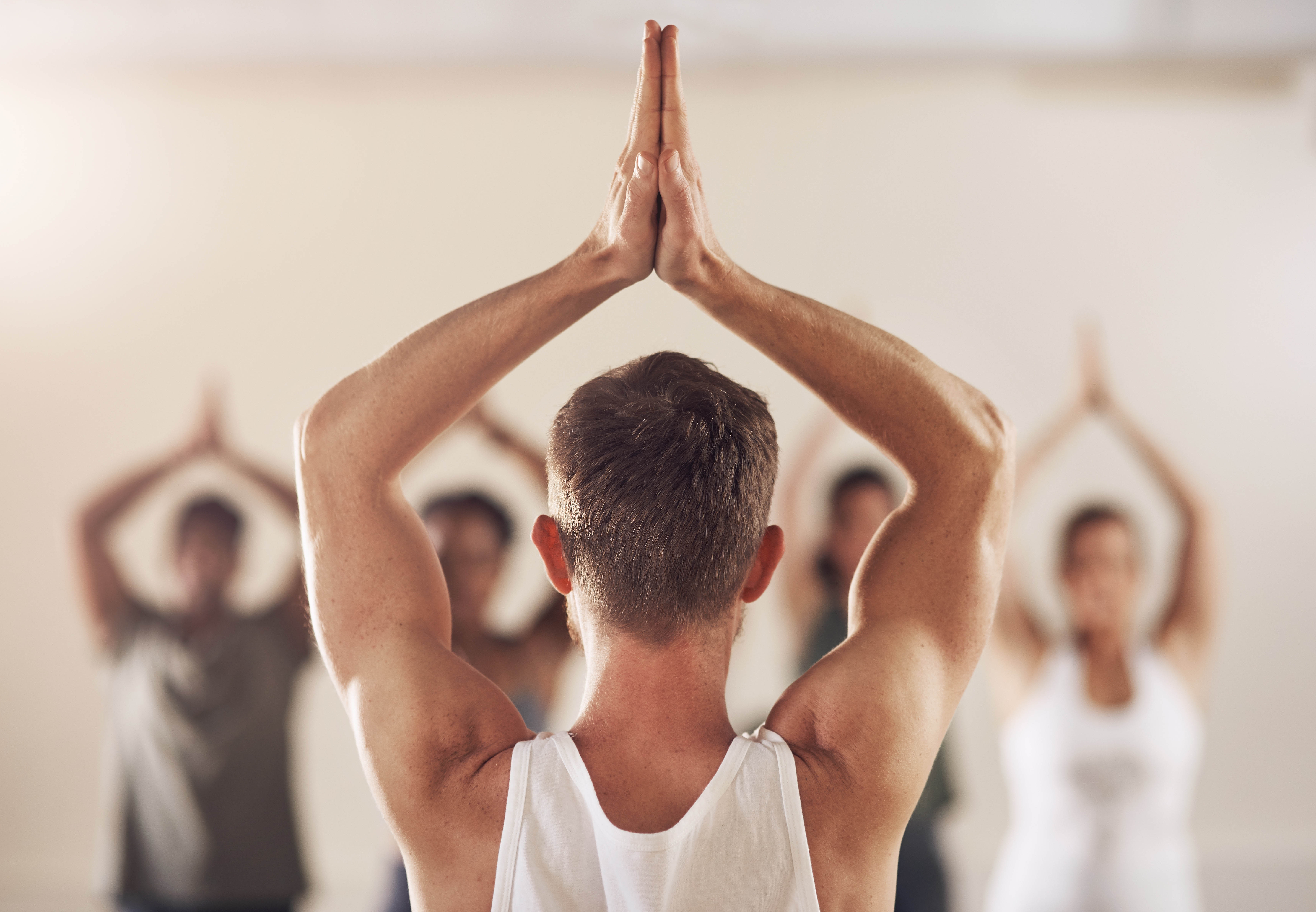
Engage in Mind/Body exercise. Yoga, Pilates, TaiChi, Martial Arts. Also, mobility, strength work, and even certain endurance activities fall into a Mind/Body category provided you are attuned to how your body is moving. Being absorbed in the physical process of exercise takes concentration, coordination, and encourages very specific and sometimes intense muscle activation. This type of present-focused activity reduces stress and increases a person’s appreciation and positive attitude towards their body.
Do high intensity cardio. The “Runner’s High” is a real thing. Except you don’t need to run to enjoy the benefits. The experience is usually attributed to a burst of endorphins that are typically produced in response to sustained physical discomfort. You don’t need to kill yourself, but the intensity needs to be challenging enough that after about 10 minutes, you’d prefer to slow down? This type of exercise is also excellent for reducing anxiety and depression. Both immediately and long term. And when people feel generally better, they often feel better about their bodies too.
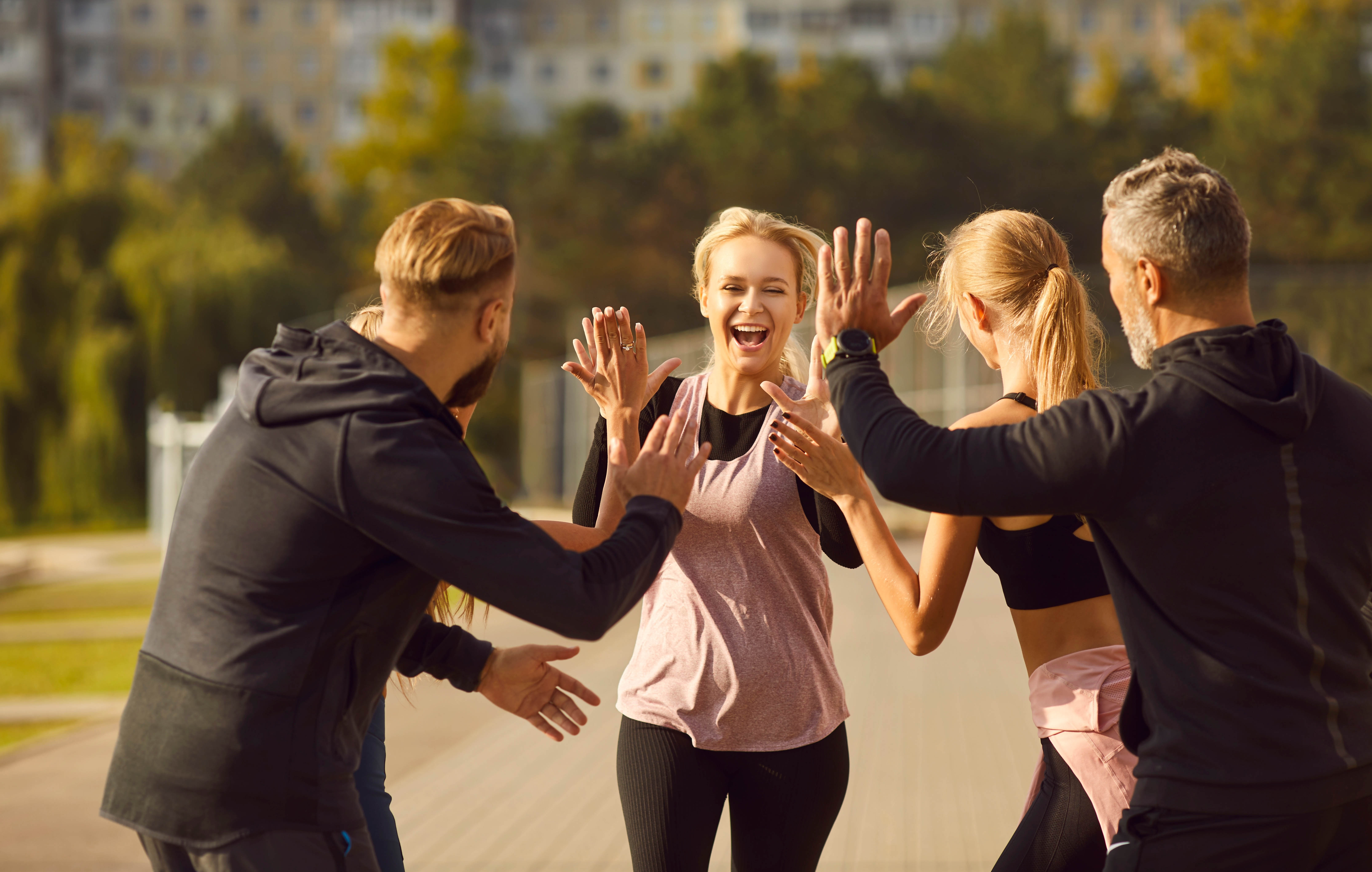
Keep exercising every and any way you like. The longer we’ve been exercising the more likely we are to embrace goals that centre around what our bodies can DO. As we notice and care more about getting fitter, faster, more mobile, more agile, more powerful, these functional goals take up more space in our brains. They become more important than how we look and certainly help displace or even erase a goal centered around one specific body part.
3806