Breathe Easier This Spring: A Health-Focused Cleaning
By Dr. Atousa Faraz BSc (Hon), ND
Spring cleaning is often the first thing on our minds as the weather gets warmer while the seasons change, and we begin opening windows to refresh our living spaces. Beyond tidying closets and wiping down surfaces, this is also a time to address the dust, mold buildup, and hidden grime that have accumulated over the winter months in our homes, garages and cars. As you clean, it is important to consider how reducing environmental exposure to allergens, chemicals, and mold can support your respiratory health, immune function, and overall well-being. Indoor air quality, overall allergen load, and mold exposure can all contribute to irritability, poor sleep, inflammation, fatigue, headaches, sinus congestion, and skin irritation. Spring cleaning can be approached thoughtfully and strategically to help minimize these exposures and also support a healthier indoor environment.
Understanding Indoor Allergens
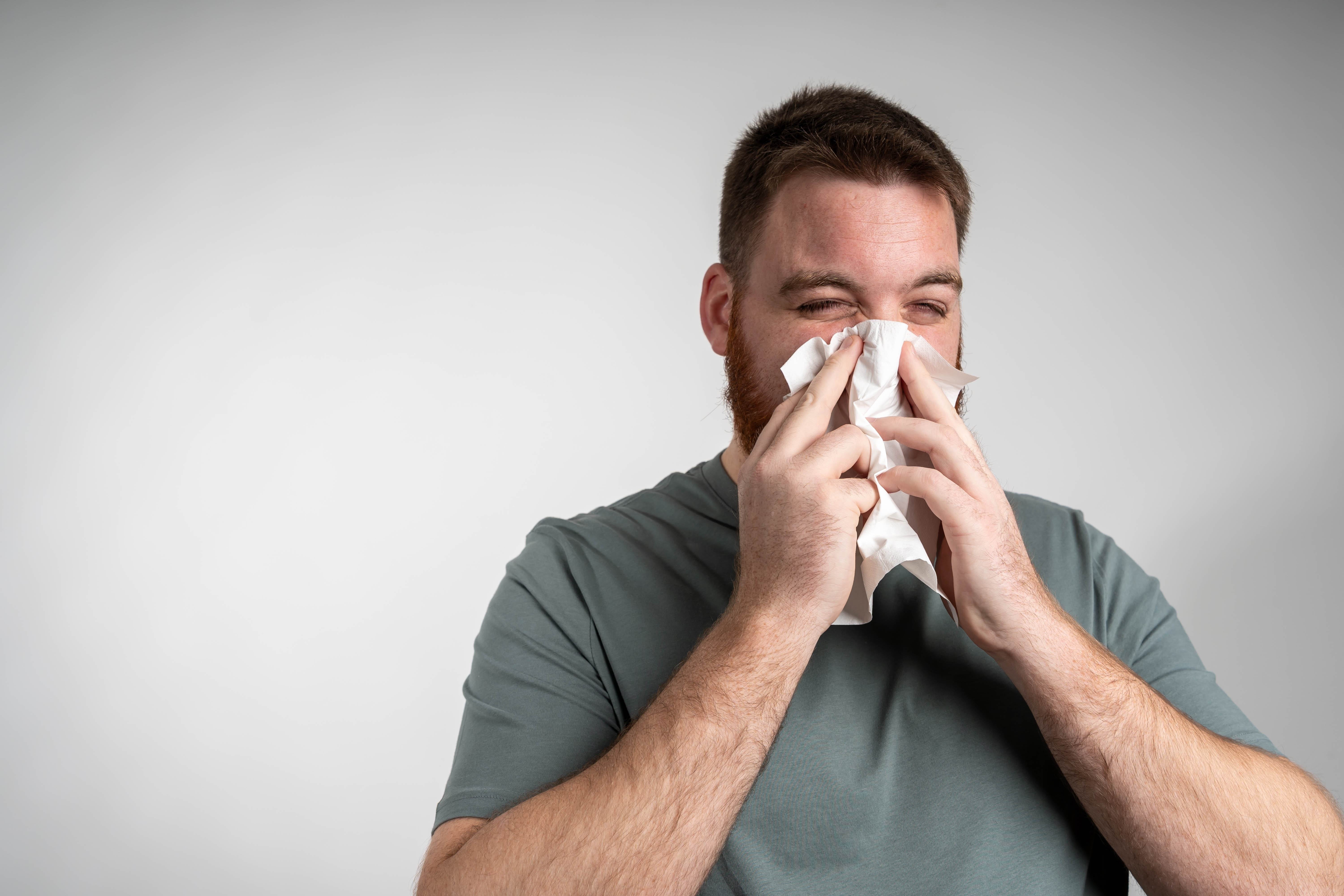
During the winter months, homes are typically sealed with limited ventilation. As a result, dust, pet dander, dust mites, and moisture can accumulate indoors. When the snow begins to melt and humidity levels rise in the spring, mold growth can become a concern. This is especially true in basements, bathrooms, kitchens, and around windows, where moisture tends to collect. Other examples of indoor air quality concerns include pollen brought indoors and volatile organic compounds (VOCs) suspended in air from cleaning products. Reducing your exposure to these can help minimize environmental or seasonal allergy symptoms of sinus congestion, runny nose, watery eyes, irritability, poor sleep, and support your overall health.
Healthy Spring-Cleaning Strategies
A thoughtful, structured approach to spring cleaning can significantly improve indoor air quality.
Dust Control
Mold Prevention
• Inspect bathrooms, kitchens, basements, and windowsills for visible mold or persistent moisture.
• Use exhaust fans during and after showers or cooking.
• Repair leaks promptly and dry water-damaged areas within 24–48 hours.
• Maintain indoor humidity between 35–50% using a dehumidifier if needed (Baugh, n.d.).
• Avoid carpeting in moisture-prone areas such as the bathrooms.
If significant mold is discovered (particularly covering large areas), professional remediation may be appropriate.
Safer Cleaning Products
Many conventional cleaning agents contain harsh chemicals that may irritate the respiratory tract, eyes, or skin. Consider:
• Choosing fragrance-free, non-toxic cleaning products.
• Using simple alternatives such as vinegar and baking soda for appropriate surfaces.
• Wearing gloves to protect your skin barrier.
• Ensuring adequate ventilation in the area that you are cleaning.
Protecting Yourself While Cleaning
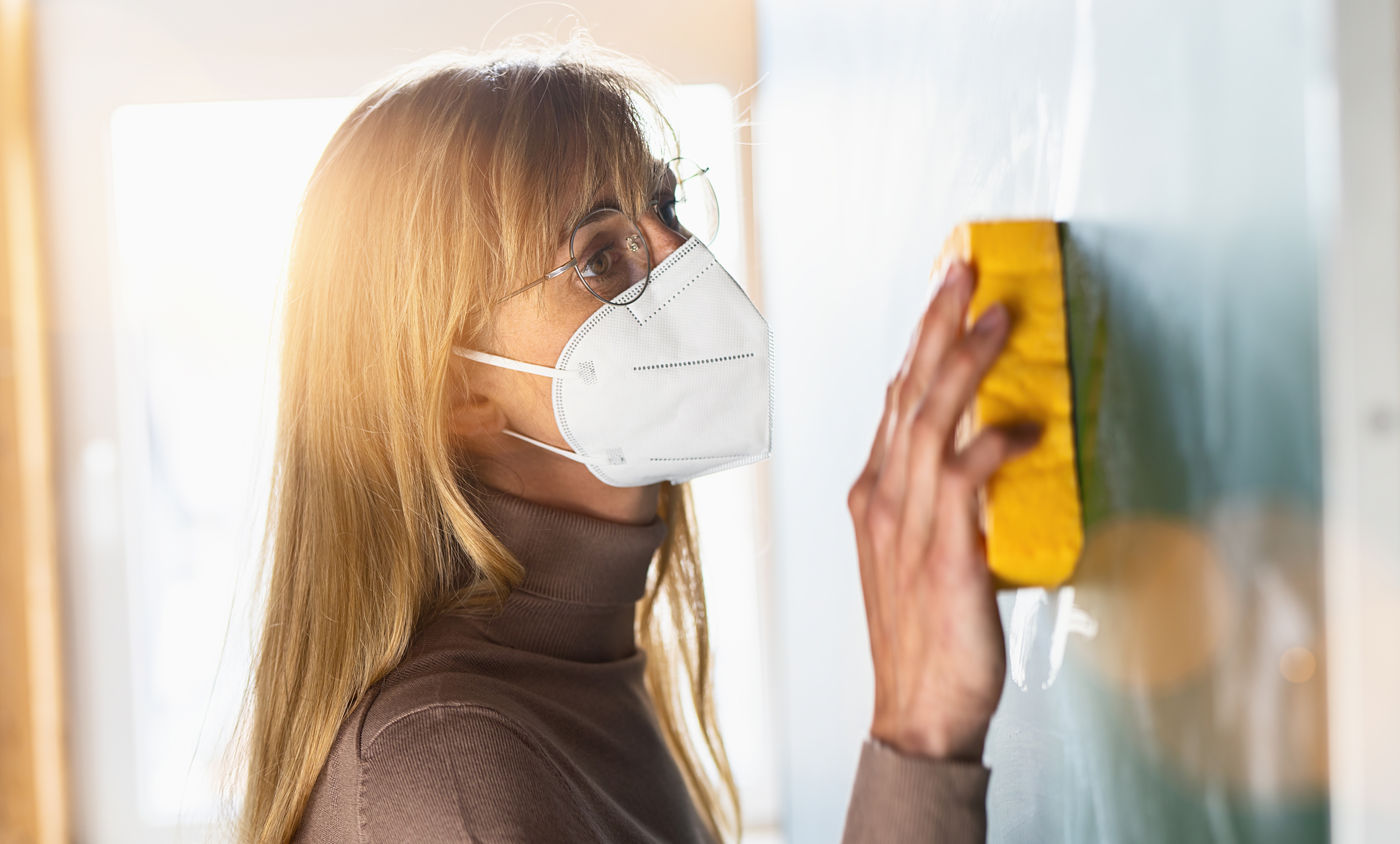
Spring cleaning can temporarily increase exposure to dust and spores. To reduce personal exposure:
• Wear a well-fitted mask (such as an N95) when cleaning dust or mold.
• Open windows when weather permits to increase air circulation and exchange in your home.
• Take breaks and avoid overexertion, particularly if you have asthma or seasonal allergies.
• Shower and change clothing after heavy cleaning to remove residual allergens.
Supporting Your Body During Allergy Season
Reducing your exposure to environmental triggers can be helpful in reducing your allergy symptoms. In addition, maintaining a supportive lifestyle may help lessen allergic symptoms.
Examples of these measures include:
Call to Action:
If you experience persistent seasonal or environmental allergy symptoms such as sinus congestion, runny nose, watery eyes, irritability and poor sleep and you are looking for an individualized naturopathic approach, I invite you to book a consultation with me. Together, we can explore strategies beyond taking oral antihistamines to help support your health and lesson your symptoms.

About the Author
Dr. Atousa Faraz, BSc (Hon), ND has nearly two decades of experience supporting patients with a wide range of health concerns. She combines evidence-informed care with a holistic approach to promote long-term health and well-being.
Dr. Faraz is available for both in-person and virtual appointments. To book your appointment today, click on the following link.
Booking Link: https://cgoc.janeapp.com/locations/adelaide-healthclinic/book#/staff_member/75
Disclaimer:
This article is for general information only and is not intended to diagnose or treat any medical condition. It does not replace professional medical advice or create a patient-doctor relationship. Always consult your healthcare provider before making health decisions or if you have questions about a specific condition. Dr. Atousa Faraz ND assumes no responsibility or liability for any outcomes resulting from the use of this information.
References
Baugh, T. (n.d.). Achieving ideal indoor humidity: What humidity should my house be at? Carrier. https://www.carrier.com/residential/en/ca/products/indoor-air-quality/humidifiers/what-humidity-should-my-house-be-at/
Health Canada. (2023, January). Guide to addressing moisture and mould indoors. Government of Canada. https://www.canada.ca/en/health-canada/services/publications/healthy-living/addressing-moisture-mould-your-home.html
1620