Uterine Fibroids: The Common Condition You Need to Know About
Heavy Periods, Fatigue, and Bloating Aren't Always "Normal"
Do your periods leave you exhausted?
Are you changing pads or tampons every hour, planning your life around your cycle, or feeling constantly bloated and uncomfortable?
Many assume these symptoms are just part of getting older, having children, or being a woman. In reality, they may be signs of uterine fibroids.
July is Fibroid Awareness Month, making it the perfect time to talk about a condition that affects up to 80% of persons with a uterus during their lifetime.
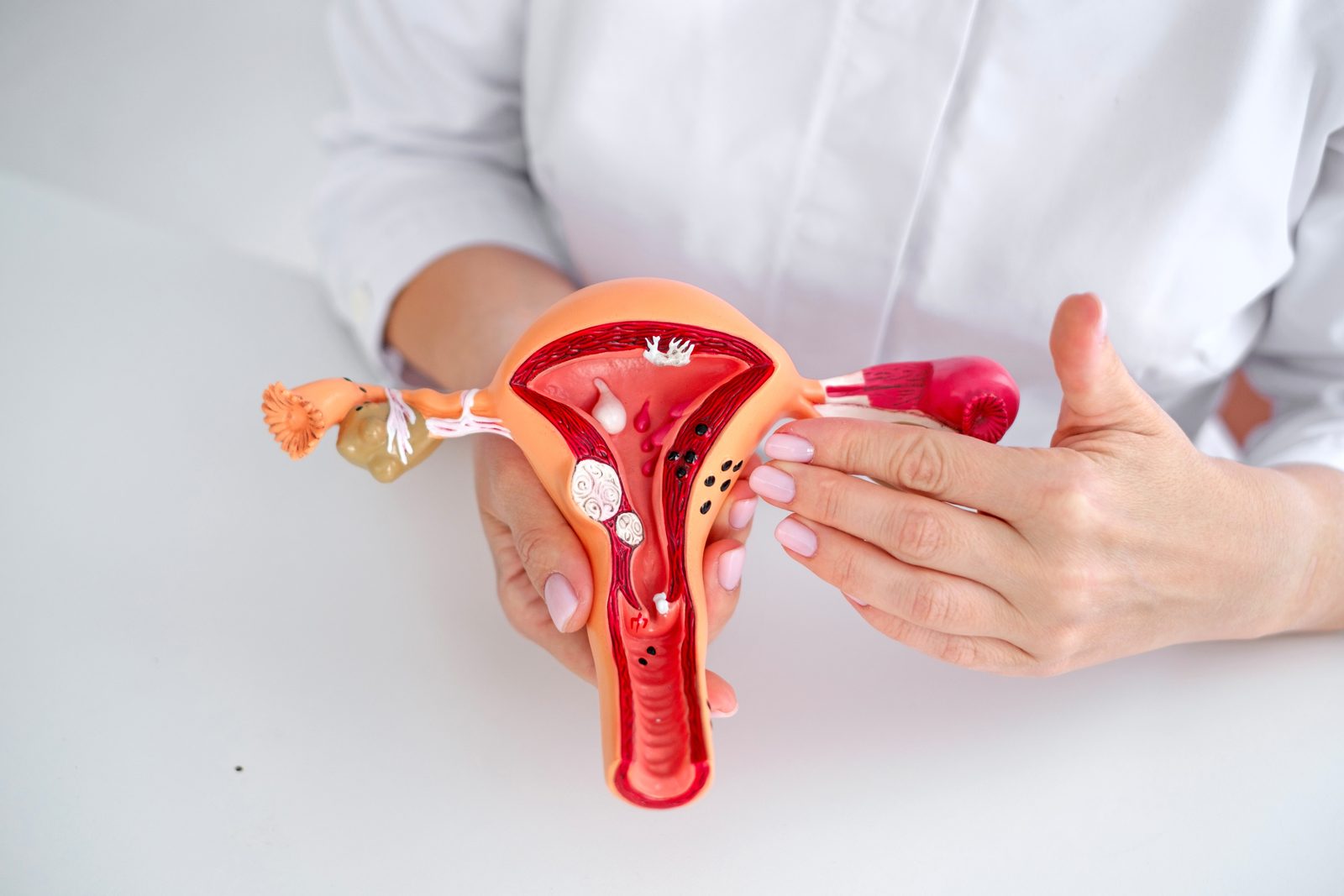
Fibroids are growths that develop within or around the uterus. While they are non-cancerous, they can have a significant impact on quality of life, contributing to heavy menstural bleeding, chronic fatigue, pelvic pain, fertility challenges, and missed work, social events, and activities.
The challenge? Many women suffer in silence.
Research suggests that for approximately one-third of patients, it takes five years or longer to receive a diagnosis. During that time, many are told their symptoms are "normal" or simply something they have to live with.
The good news is that there are lots that we can do from a naturopathic perspective.
Common Signs and Symptoms of Fibroids
Up to half of women with fibroids experience symptoms. The most common presentations include:

If any of these symptoms sound familiar, it’s worth discussing them with your healthcare provider. Fibroids can range in size from as small as a seed to as large as a melon. Depending on their size and location, they may have little impact, or they can significantly affect day-to-day life.
Why Should You Care?
Beyond the inconvenience of heavy periods, fibroids can affect nearly every aspect of health.
Heavy bleeding can lead to iron deficiency and anemia, causing fatigue, brain fog, shortness of breath, reduced exercise tolerance, and poor concentration.
Larger fibroids may contribute to pelvic pain, pressure, bloating, constipation, or frequent urination.
Fibroids can also affect fertility, pregnancy outcomes, intimate relationships, self-confidence, and mental well-being.
In other words, fibroids are not just a "period problem." They can affect energy, mood, relationships, work performance, and overall quality of life.
Who Is at Increased Risk?
While not everyone with these risk factors will develop fibroids, being aware of them can help you recognize symptoms sooner and get the support you need.

A Holistic Approach to Fibroid Support
Although natural treatments cannot eliminate fibroids, they may help support overall hormonal health, reduce inflammation, improve quality of life, and address some of the symptoms associated with fibroids.
Depending on your unique case, treatment may focus on:
Every treatment plan should be individualized based on your symptoms, health history, and goals.
You Don't Have to Navigate It Alone
If you've been told that heavy periods, fatigue, or pelvic discomfort are "just part of being a woman," it may be time to dig deeper. Fibroids are common, but suffering through their symtpoms doesn’t have to be.
This Fibroid Awareness Month, let's start the conversation and help more people recognize when their symptoms deserve attention.
Have questions about fibroids, heavy periods, or hormonal health? Book a consultation with Dr. Madison ND today to discuss a personalized approach to your wellness journey.
Disclaimer
This article is for informational purposes only and does not constitute medical advice. Please consult a licensed naturopathic doctor or other healthcare provider before making any changes to your health regimen or treatment plan.
About the Author
Dr. Madison Sangster-Newbery, ND is dedicated to helping you achieve optimal health. She understands how frustrating uterine fibroids can be, impacting energy, comfort, fertility, and overall quality of life.
Dr. Madison takes an individualized approach, integrating evidence-informed naturopathic therapies such as herbal medicine, clinical nutrition, lifestyle counselling, and targeted supplementation. Her goal is to create personalized treatment plans to support patients during every stage of their health journey.
Dr. Madison Sangster-Newbery ND is currently licensed and registered to practice in Ontario under the College of Naturopaths of Ontario. She is a member of both the Ontario Association of Naturopathic Doctors and the Canadian Association of Naturopathic Doctors.
606