Understanding Family of Origin: How Childhood Experiences Shape Adult Relationships
Family of origin is therapist-speak for the people who raised you
From the desk of Mary Keogh, Registered Psychotherapist, Adelaide Clinic
Take a breath, grab a warm mug of whatever you’re drinking, and settle in. Today, I want to talk about something that we touch on to different degrees in almost every single session in my practice: it's family of origin.
Family of origin is therapist-speak for the people who raised you. Whether it was a traditional nuclear setup, a blended family, or a village of caregivers, that early environment acts as the initial blueprint or foundation for how you view the world, relationships, and yourself.
Here is the thing about blueprints: they are complicated.
Let’s look at the positives first. Your family of origin is often where you learned your first lessons in resilience, humor, or work ethic. Maybe you inherited your grandmother’s fierce loyalty or your dad’s ability to find joy in the little things. These are the golden threads in your tapestry—the strengths you carry forward without even realizing it.
But then, there are the negatives. No family is perfect because no human is perfect. You might have inherited survival strategies that worked well in a chaotic childhood home but are completely sabotaging your adulthood. Things like people-pleasing, emotional shutting down, walking on eggshells or using humour to handle everything. Acknowledging these hurts isn't about blaming your parents or guardians; it’s about recognizing the cracks in the foundation so you can repair them.
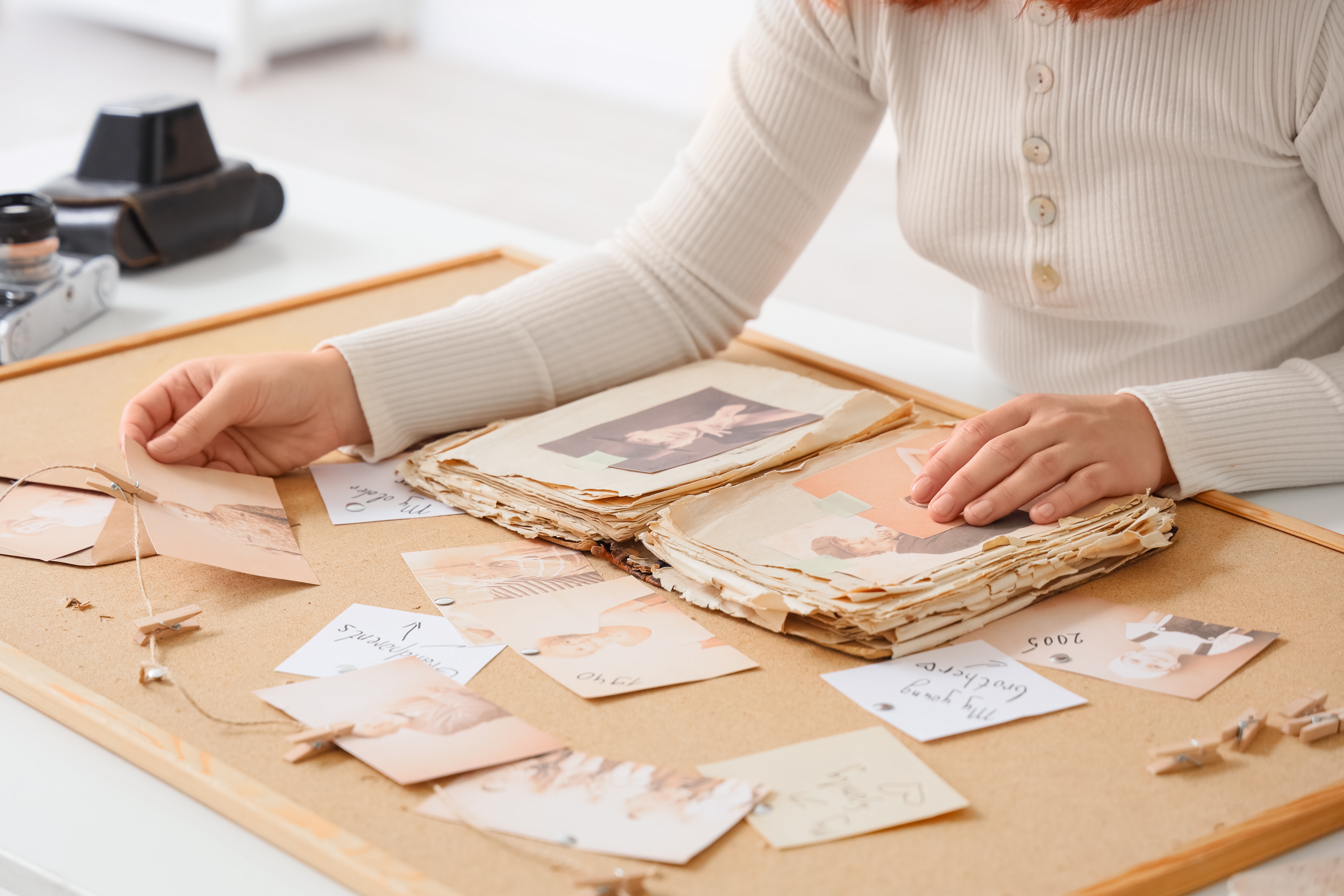
This brings us to the quiet friction we all feel: dreams vs. reality.
We all carry a dream of what family should be. We want the Hallmark movie, the unconditional, effortlessly supportive family dinner. But the reality? The reality is so often messy. It’s a parent who loves you but doesn't know how to validate your emotions because it was never role modeled to them by their parents. It’s sisters or brothers who still treat you like you’re twelve or have cut you out completely from their lives and never told you why. It's the parents who involve you in their messy relationship dynamics that are not yours to be involved in.
Healing happens when we stop trying to force the reality into the dream.
When you acknowledge and then accept the reality of your family of origin—seeing them as flawed humans who did the best they could with the tools they had (even if those tools were broken)—something shifts. You stop waiting for an apology or a change that may never come. You give up the dream of a rewritten past so you can take control of your present.
You cannot change the reality you lived. But from where I sit, I see people rewrite their stories every single day. They get to heal past emotional wounding of family traumas by bringing out into the open what actually happened so it can be healed. You get to decide which walls to keep, which ones to tear down, and what kind of home you want to build inside yourself.
Healing happens when you, the adult now, get to finally be the safe person your inner child was looking for in childhood. It’s never too late to begin.
Want to know more about how Psychotherapy can assist you?
If any of what I have said in this blog resonates with you, please know that you’re not alone, and it’s okay to ask for support. If you have been thinking about therapy or are simply looking for a safe place to talk and be heard, I would welcome the opportunity to support you. I am here.
Book a 15-minute complimentary consultation with Mary Keogh and start the conversation on how she can support you today.
About the Author
Mary Keogh is a Registered Psychotherapist who practices at the Adelaide Health Clinic. She sees individuals aged 18 and older in her practice. Mary specializes in helping individuals manage stress, emotional challenges, complicated relationships (romantic, workplace, friendships or family of origin) grief and difficult life transitions.
A quick note on this piece:
The content here is for educational and informational purposes only. It’s not medical advice (I am not a GP) or a diagnosis (that is outside my scope of practice). Think of this as a gentle guide: helpful, but not the whole map.
339