Alessandra Davies
/ Categories: Health & Wellness, Clinic

What is Fascial Stretch Therapy (FST)?

Living Well

Young woman laying on her side, facing away from the camera; close-up of practitioner's hands working on her shoulder and upper back

Written by: Eric Bols, Personal Trainer & FST, Toronto Athletic Club

FST is a full body mobility restoration system aimed at improving joint function and range of motion (ROM) by reducing muscle and neuro-myofascial tension. 

Fascia is the connective tissue or “sausage casing” that is loaded with nerve endings and surrounds all joints and muscles. This far-reaching fibrous system affects the entire body’s movement capacity as it wraps its way around various fascial lines as described by Thomas Myers’ book Anatomy Trains. For example, any restrictions in the spiral line on the lower lateral leg (like multiple ankle inversion sprains) can move upwards and disturb hip, trunk, and shoulder function. 

By reducing fascial tension, you can begin to “open up” and decompress joints to allow muscle tone to normalize and affect ROM positively. Consistent diaphragmatic breathing is encouraged during all treatments. Beside keeping you relaxed, the breath pattern creates a link to your parasympathetic nervous system, reducing stress and anxiety, and can sharpen neural pathways needed to re-educate muscle activation. Over time you can create an environment where the body begins to develop a stronger base to control and improve movement patterns, reduce compensations, recover quicker and avoid repetitive stress and injuries.
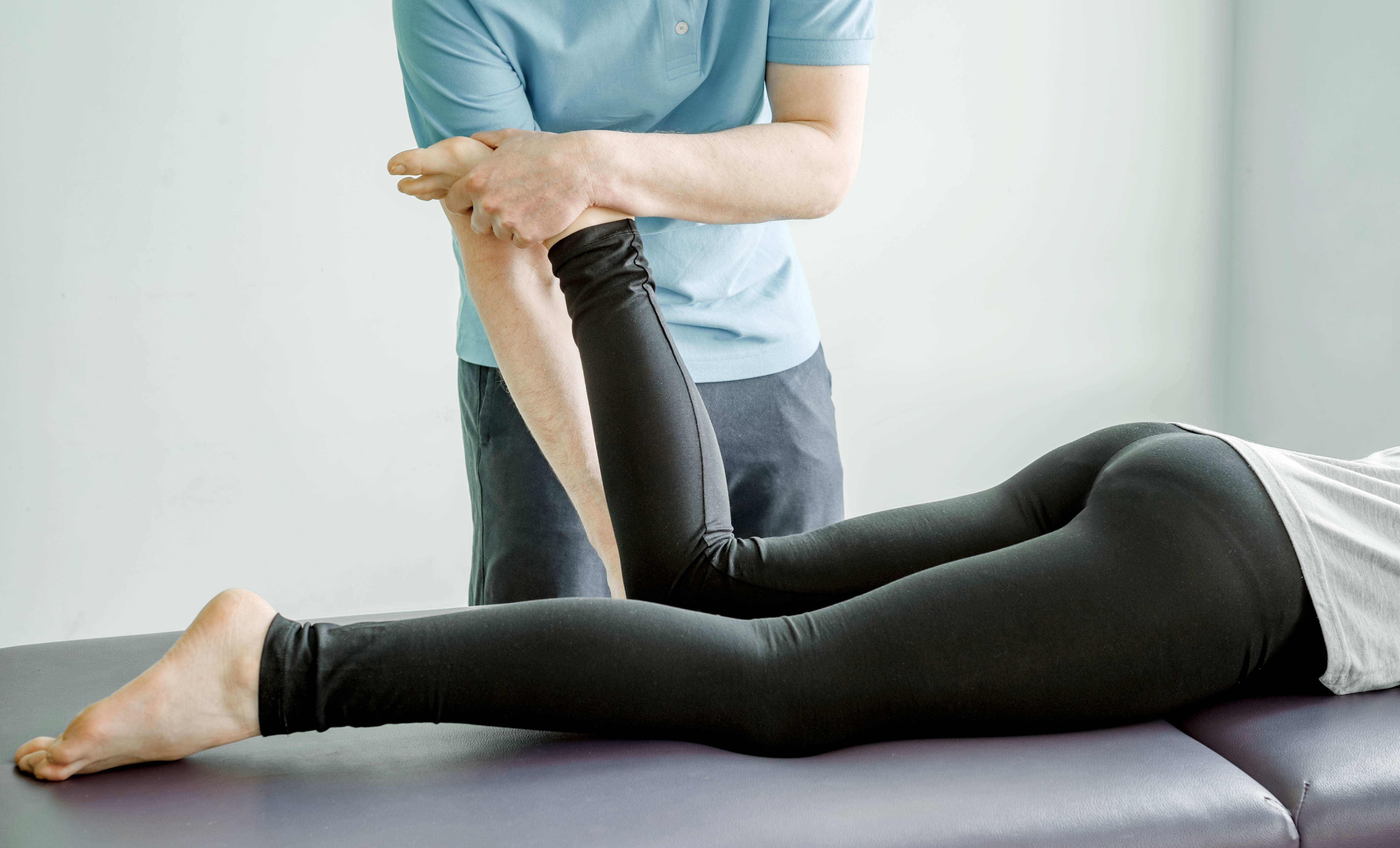
Young female patient lays face down on the table, practitioner is doing fascial stretch therapy on her lower leg and knee

This treatment protocol is a great way to relax and get stretched or can be used with more vigor to prepare for a specific activity or sport.

Benefits:

  • Joint Health 
  • Range of motion without pain
  • Recovery tool after workouts or activities
  • Injury prevention and rehab protocols
  • Sport performance optimization
  • Mental health and relaxation

Please reach out with any questions and to book your session today!

Adelaide Club - email Lauren Neal
Cambridge Club - email Sean O'Neil
Toronto Athletic Club - email Eric Bols
Book an Appointment at the Adelaide Health Clinic
Book an Appointment at the Sport Medicine Clinic

Now is your time to set it free with FST! 

Previous Article Gaining Inches
Next Article You DO have enough time to exercise
Print
4394
The Intersection of Endometriosis, Infertility, and Emotional Well-Being: Navigating the Journey with Self-Compassion
Let’s be real for a second - living with endometriosis is tough. It’s not just the ongoing pain, heavy periods, or digestive problems. It's also the emotional toll that people...
Read More
Naturopathic Approach to Endometriosis: Top Supplements
Endometriosis is a condition where tissue resembling the uterine lining grows outside the uterus. These misplaced tissues respond to hormonal changes, leading to inflammation, pain, immune...
Read More
10 Ways Pelvic Health Physiotherapy Can Help with Endometriosis
Endometriosis is more than just painful periods - it’s a chronic condition that can deeply impact daily life, mobility, and overall well-being. While medical treatments like hormone therapy...
Read More
Endometriosis: Symptoms & Diagnosis
Endometriosis is a chronic inflammatory condition where tissue similar to the endometrium (the lining of the uterus) grows outside the uterus. These growths, called lesions or implants, commonly...
Read More
The not-so-hidden benefits of Our Fitness Clubs
More Canadians than ever have home gyms. We cite convenience, lower cost, and privacy as huge benefits. Which makes sense. For decades we have complained that we can’t exercise because we...
Read More
What is Preventative Health?
Preventative health isn’t just a buzzword - it’s a game-changer. Imagine feeling your best and catching potential issues before they mess up your routine. Sounds amazing, right? One of...
Read More
Why Kegels are sometimes Not the Answer
Kegels are exercises that involve contracting and relaxing the pelvic floor muscles to improve strength, endurance, and control. They are commonly recommended for pelvic floor dysfunction,...
Read More
What IS Functional Training anyhow?
While I don’t add the word functional to describe the type of training I do with my clients, you wouldn’t be wrong if you labelled it as such. The human body needs a number of things...
Read More
123578910Last