The Hidden World Within: Where Your Microbiome Lives and How to Support It for Lasting Health
By Dr. Atousa Faraz BSc (Hon), ND
What if one of the most powerful drivers of your health wasn’t something you could see, but something living within you? Your microbiome, a vast ecosystem of trillions of microorganisms¹, plays a critical role in your digestion, immunity, mood, and even hormone balance. When this internal world is thriving, you feel energized and resilient. When it’s out of balance, it may quietly contribute to a wide range of ongoing health concerns.
Your microbiome is not limited to just one area of the body. While the largest and most well-known community resides in your gut, particularly the large intestine, these microorganisms also live on your skin, in your mouth, within your respiratory tract, and throughout the urogenital system². Each of these environments has its own unique balance, working together to support overall health and protect against disease.
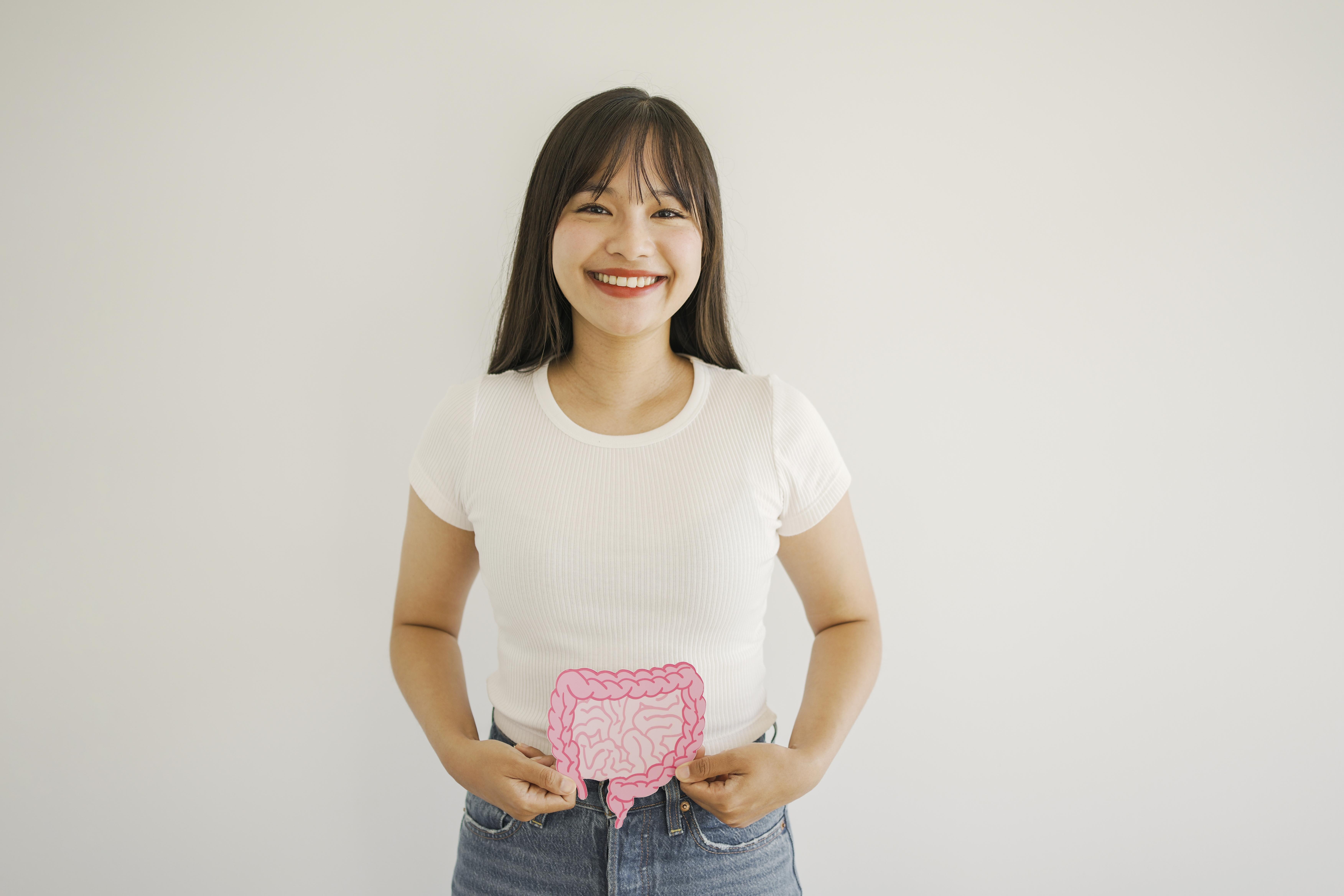
As a naturopathic doctor, I take a holistic and individualized approach to microbiome health. Rather than focusing only on symptoms, I work with patients to understand what may be disrupting these microbial communities. Common factors include chronic stress, highly processed diets, frequent antibiotic use³, lack of sleep⁴, and environmental exposures to chemicals that may distrust these colonies. Over time, these can lead to imbalances, often referred to as dysbiosis, which may show up as digestive issues, skin concerns, fatigue, or changes in mood and immunity.
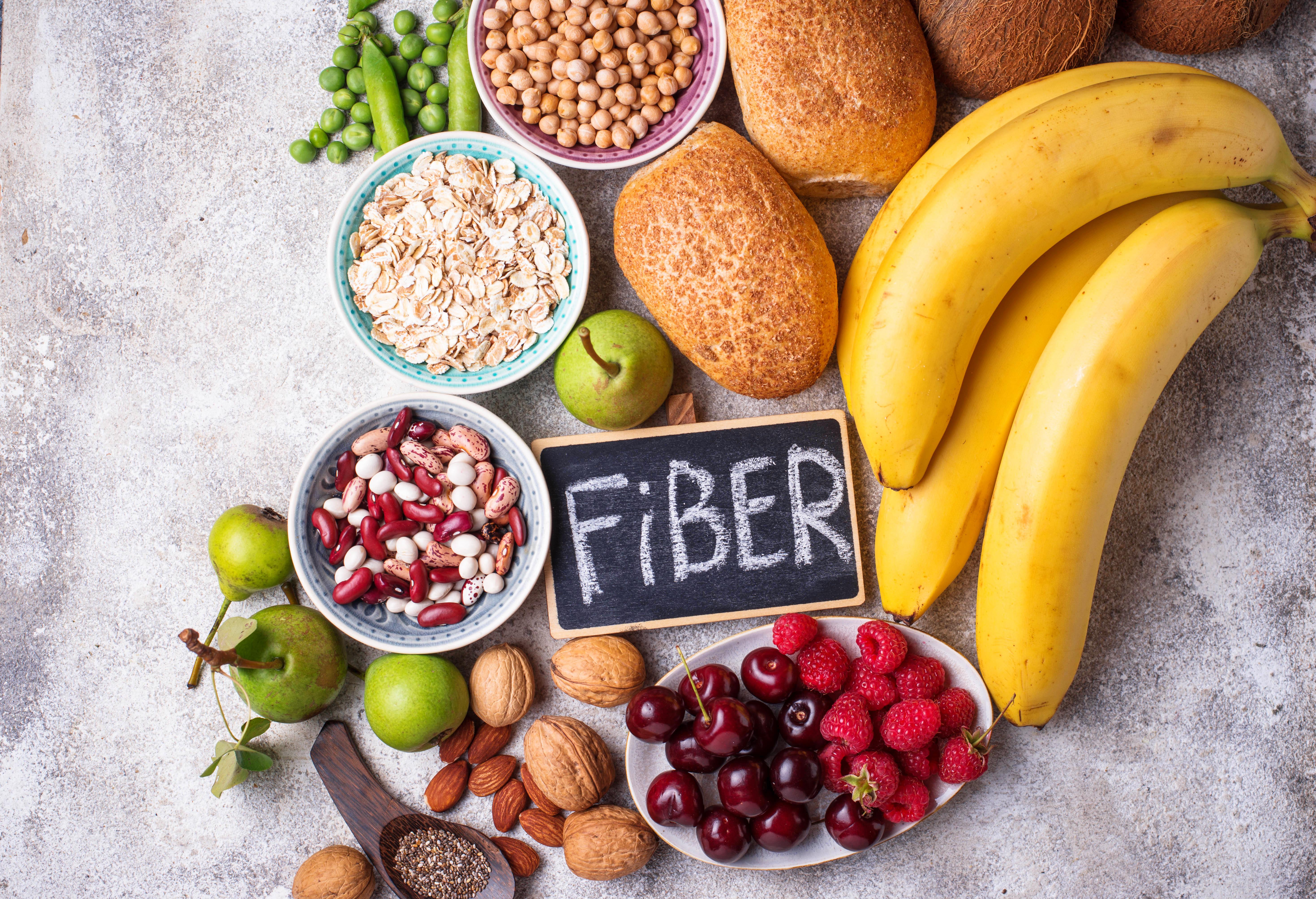
Maintaining a healthy microbiome starts with daily habits. I guide patients in building a strong foundation through targeted nutrition, including fiber rich whole foods that act as prebiotics and nourish beneficial bacteria, as well as fermented foods that naturally support microbial diversity. In some cases, probiotics and prebiotics may be recommended as supplements to help restore balance more directly. It is important to recognize that not all supplements are created equally, and understanding these differences is essential for effective and individualized treatment.
Lifestyle also plays a key role. Managing stress, prioritizing quality sleep, staying physically active, and minimizing unnecessary antibiotic use can all positively influence your microbiome.
My approach may include nutritional strategies, botanical medicine, and sustainable lifestyle modifications designed to help your microbiome thrive long term.
Supporting your microbiome is not just about improving digestion. It is about strengthening your body’s resilience and optimizing your overall well-being. When your internal ecosystem is balanced, your entire body benefits.

If you have been experiencing persistent symptoms or are looking to take a proactive approach to your health, your microbiome is a powerful place to start. Naturopathic care offers personalized, evidence-informed strategies to help restore balance and support long-term wellness. You do not have to navigate this alone; support is available, and your health deserves attention. Book your appointment today and take the first step toward better health from within.
About the Author
Dr. Atousa Faraz, BSc (Hon), ND has nearly two decades of experience supporting patients with a wide range of health concerns. She combines evidence-informed care with a holistic approach to promote long-term health and well-being.
Dr. Faraz is available for both in-person and virtual appointments. To book your appointment today click on the following link:
https://cgoc.janeapp.com/locations/adelaide-health-clinic/book#/staff_member/75
Disclaimer:
This article is for general information only and is not intended to diagnose or treat any medical condition. It does not replace professional medical advice or create a patient-doctor relationship. Always consult your healthcare provider before making health decisions or if you have questions about a specific condition. Dr. Atousa Faraz ND assumes no responsibility or liability for any outcomes resulting from the use of this information.
#MicrobiomeHealth #GutHealth #HolisticHealth #NaturopathicMedicine #DigestiveHealth #ImmuneSupport #HormoneBalance #WellnessJourney #HealthyLiving #TorontoNaturopath #DrFarazND
References:
1. Sender R, Fuchs S, Milo R. Revised Estimates for the Number of Human and Bacteria Cells in the Body. PLoS Biol. 2016;14(8):e1002533. Published 2016 Aug 19. doi:10.1371/journal.pbio.1002533
2. Lloyd-Price J, Abu-Ali G, Huttenhower C. The healthy human microbiome. Genome Med. 2016;8(1):51. Published 2016 Apr 27. doi:10.1186/s13073-016-0307-y
3. Hsieh MH, Versalovic J. The human microbiome and probiotics: implications for pediatrics. Curr Probl Pediatr Adolesc Health Care. 2008;38(10):309-327. doi:10.1016/j.cppeds.2008.09.001
4. Li Y, Hao Y, Fan F, Zhang B. The Role of Microbiome in Insomnia, Circadian Disturbance and Depression. Front Psychiatry. 2018;9:669. Published 2018 Dec 5. doi:10.3389/fpsyt.2018.00669
1046