Fascia Stretch Therapy: Supporting Mobility, Recovery, and Prevention
by Dr. Madison Sangster-Newbery, Naturopathic Doctor
Fascia Stretch Therapy (FST) is a gentle, assisted form of stretching designed to improve flexibility, mobility, and overall movement. It focuses on fascia, the connective tissue that surrounds and supports muscles, joints, nerves, and organs. From a naturopathic perspective, supporting the health of fascia is an important part of keeping the body moving well, recovering efficiently, and preventing injury.
Daily habits can take a toll on fascia. Repetitive exercise, long hours sitting at a desk, past injuries, stress, and even poor posture can contribute to tightness or restriction. FST works to gently release these restrictions by guiding the body through supported stretches that help lengthen tissue and reduce joint compression.

What Makes Fascia Stretch Therapy Different?
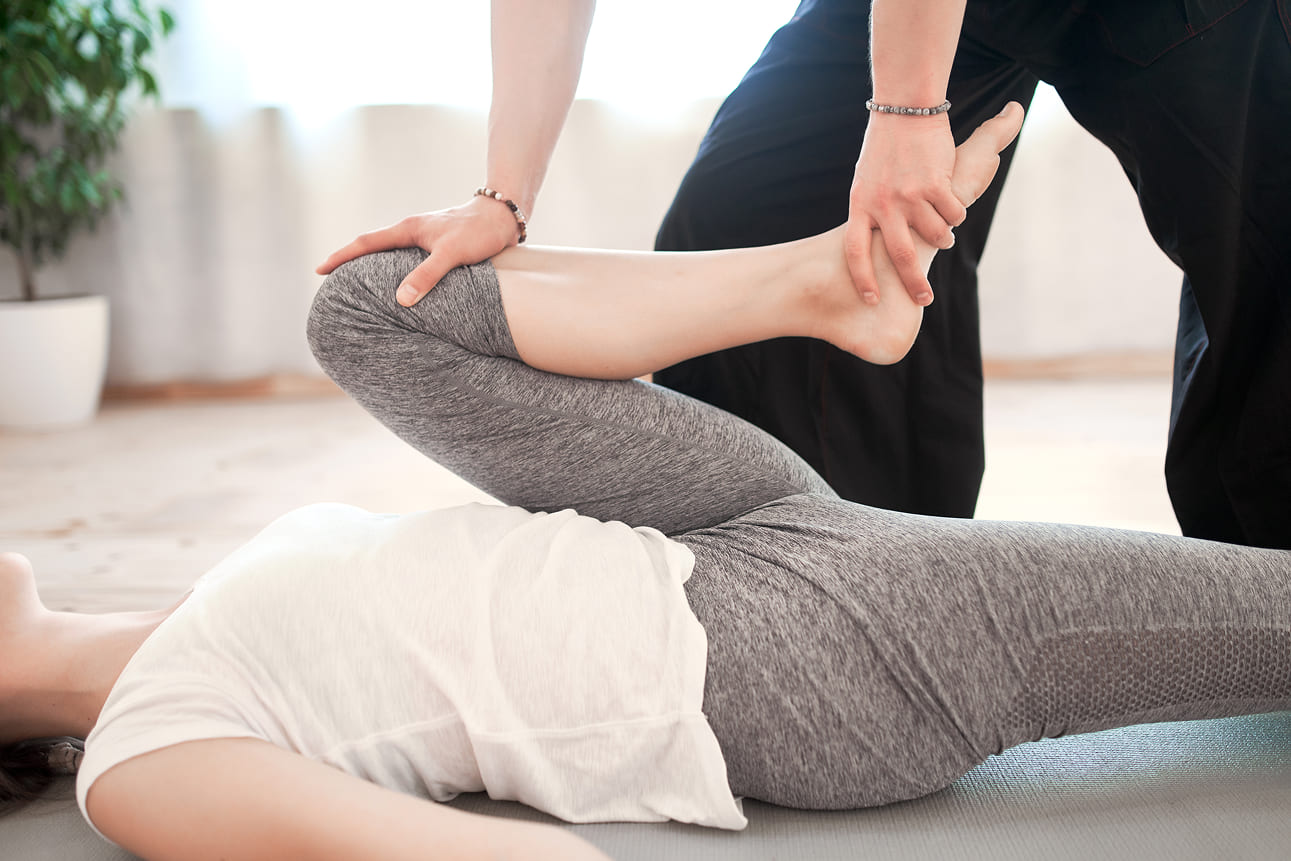
FST is often compared to “like yoga done for you”. It’s a relaxing, supported experience where your body is gently guided into deeper stretches without effort or strain.
What sets FST apart is that it addresses both the physical body and the nervous system:
-
Structure (Myofascia): muscles, joints, ligaments, and connective tissue that influence how you move.
-
Signal (Neurofascia): the communication between your brain and body, including tension, coordination, and protective responses
Even after an injury heals, the body can hold onto patterns of tension. If the nervous system still senses restriction, it may limit movement without obvious cause. By working with both structure and signal, FST helps the body relax and move more freely.
Who Can Benefit from Fascia Stretch Therapy?
-
Athletes and active individuals: Used to improve mobility, support recovery, and maintain efficient movement. It’s particularly useful for relieving tight hips, hamstrings, shoulders, and back muscles.
-
Stressed Individuals: FST can support the body in managing stress more effectively, especially when tension is held physically (e.g., tight shoulders). It promotes relaxation by reducing muscle tension, improving circulation, and encouraging deep, restorative breathing.

A Tool for Prevention
Prevention is a core principle in naturopathic medicine. Rather than waiting for pain or injury, supporting the body regularly can help keep things running smoothly.
When fascia is restricted, the body compensates by placing extra strain on certain areas. Over time, this can lead to discomfort or inefficient movement patterns. Incorporating FST into a routine can help maintain mobility, support proper movement, and reduce unnecessary stress on joints and muscles.
FST can support digestion and sleep by activating the parasympathetic (“rest and digest”) nervous system. For some, this means improved athletic performance. For others, it simply means moving through daily life with more ease.
What to Expect During a Session
Sessions take place on a treatment table, with you fully clothed. You will be guided through a series of assisted stretches, sometimes using straps to support stability and allow for deeper movement.
Techniques often include gentle traction and rhythmic motion to encourage release and reduce joint pressure. Many people notice an immediate improvement in how their body feels less tight, more mobile, and more relaxed overall.
Curious to Try it?
If you’re feeling stiff, restricted, or looking to support your mobility and recovery, FST may be a great fit.
As a naturopathic doctor, I use FST as part of a whole-body approach to help patients move better and feel better, without force or strain. If you’re interested in learning more, you’re welcome to book an appointment and see how it feels for yourself.
1591