Exercising when the air quality is poor
Living Well

Written by: Meg Sharp, Fitness & Wellbeing Consultant, Cambridge Group of Clubs
Exercising outside offers so many unique benefits. A positive boost to your mood being particularly salient these days.
But how can we weigh the mental, emotional, and physical health benefits of outdoor workouts against the negative impact of poor air quality?
As with many things in life, there are a number of different variables we each need to take into account.
Here is our best thinking on the topic:
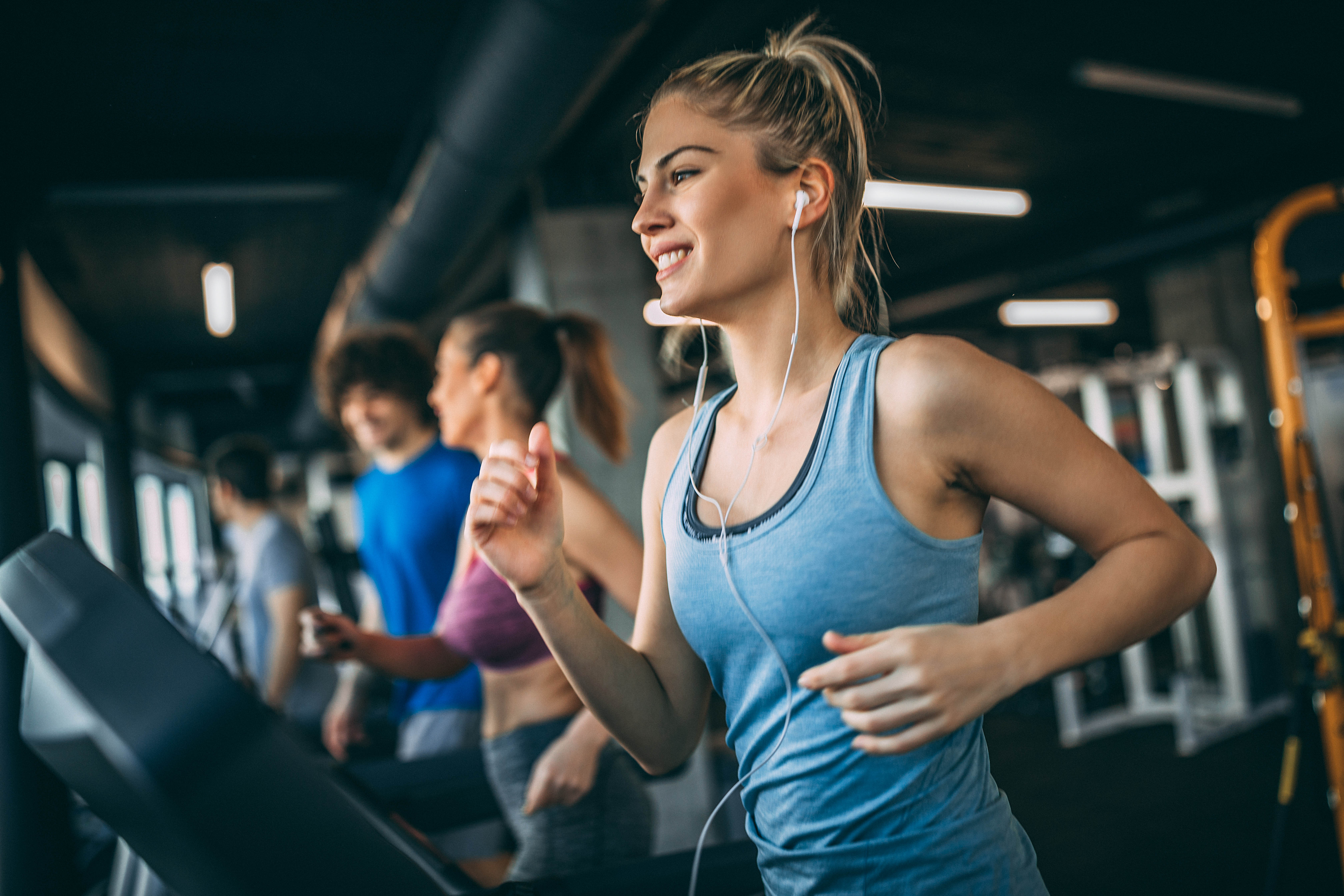
- Don’t skip your workout. When in doubt, take it inside. All three of our pristine Clubs are well ventilated with carefully filtered air.
- Check the Air Quality Health Index (AQHI) specific to your neighbourhood. An AQHI index between 1-3 indicates a safe environment for all, with higher numbers associated with greater risks especially for those who struggle with heart or breathing problems.
- Plan ahead. Air quality is often better earlier in the day while the earth and air are relatively cool. If you’re determined to run outside, check the AQHI forecast for the morning and set your alarm!

- Keep it shorter, calmer, or both. You can mitigate the damage by keeping your workout short. Similarly, lowering the intensity – think power walk instead of running – may be better as your respiration rate and volume are both lower. Your nose is a better filter than your mouth. Lower intensity exercise tends to allow for nasal breathing while more vigorous bouts typically require an open mouth to provide sufficient oxygen.
- Listen to your body. If you develop chest tightness or discomfort, coughing or throat irritation, it’s recommended you stop exercising right away.
Look on the bright side: as many benefits as we can cite for exercising outside, we can list even more for exercising in the Club!
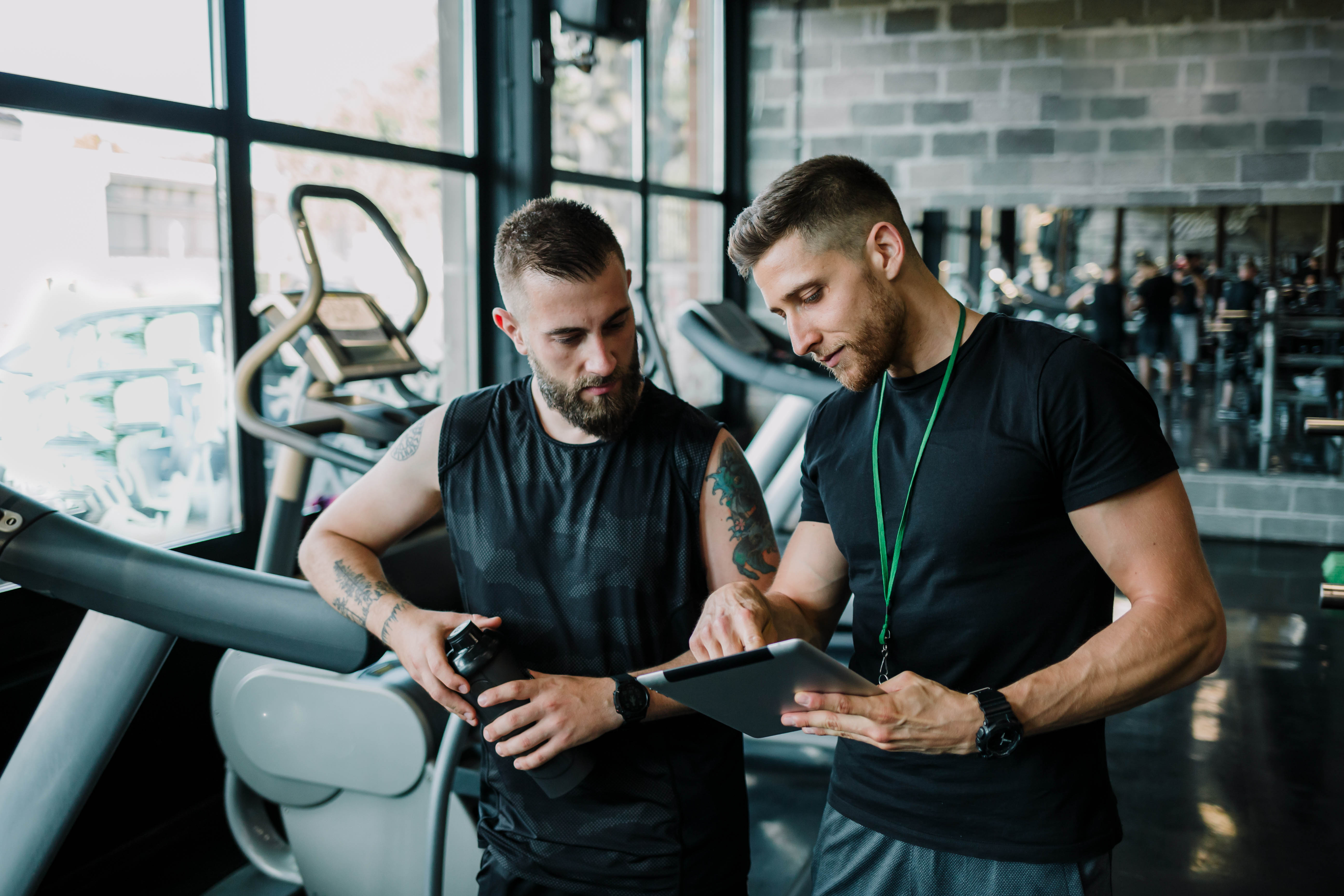
Exercising at the Club comes with the added bonus of friendly interactions with our staff and your peers. That social interaction, no matter how small, is so good for the soul!
Nothing – I’m sorry NOTHING – beats strength training with all the awesome toys and tools we have carefully curated throughout each of the Clubs. More variety, more intensity, MORE FUN.
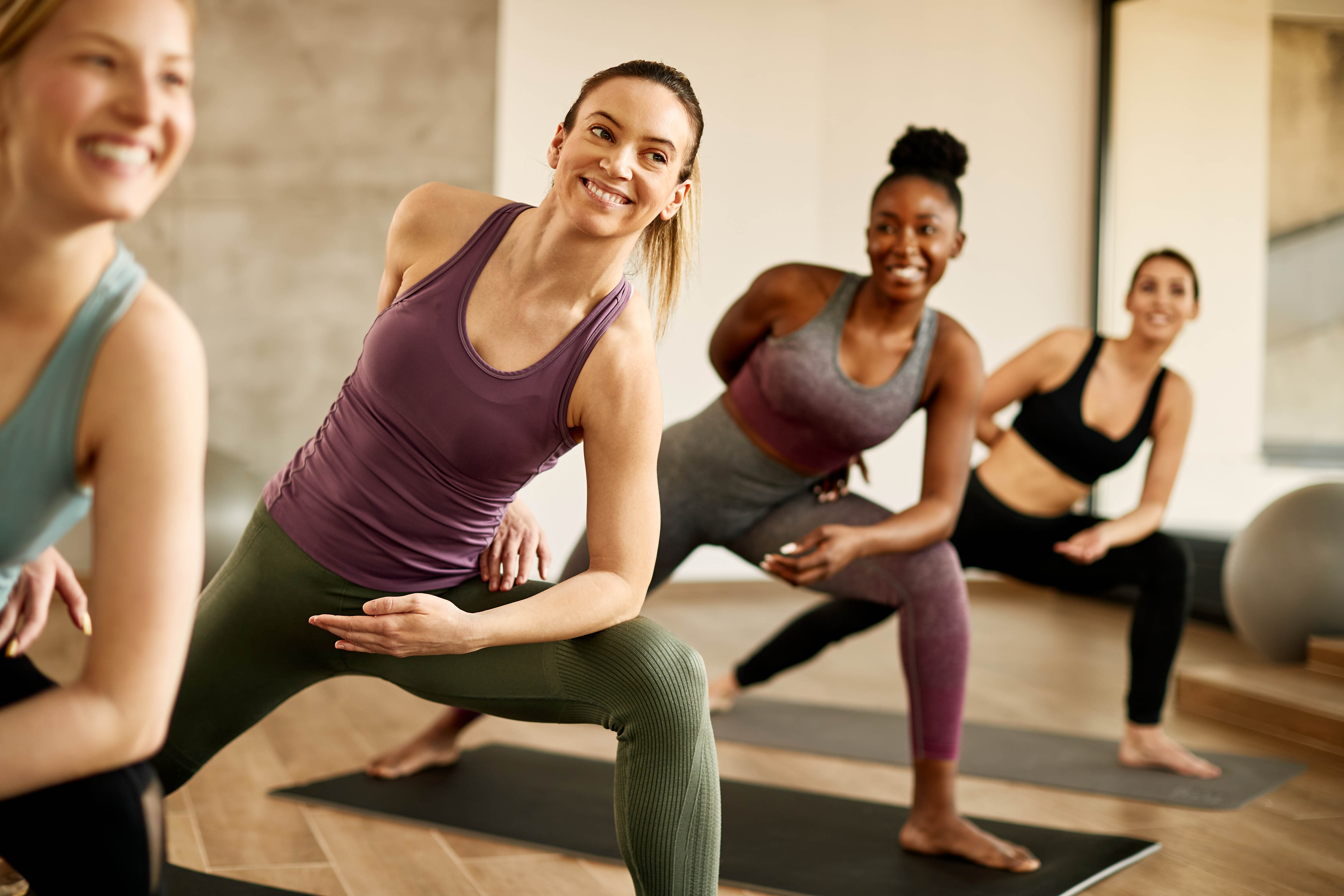
High energy music, remarkably motivating coaches, and like-minded exercisers: Our Group Fitness classes are led by some of the most talented instructors in Toronto.
Knee friendly Hill Workouts. Right?! Running uphill is fantastic for adding strength and power to your running and your legs. Running downhill? It can be hard on those knees! Doing your hill repeats on one of our state-of-the-art treadmills, offers only the upside to your training!
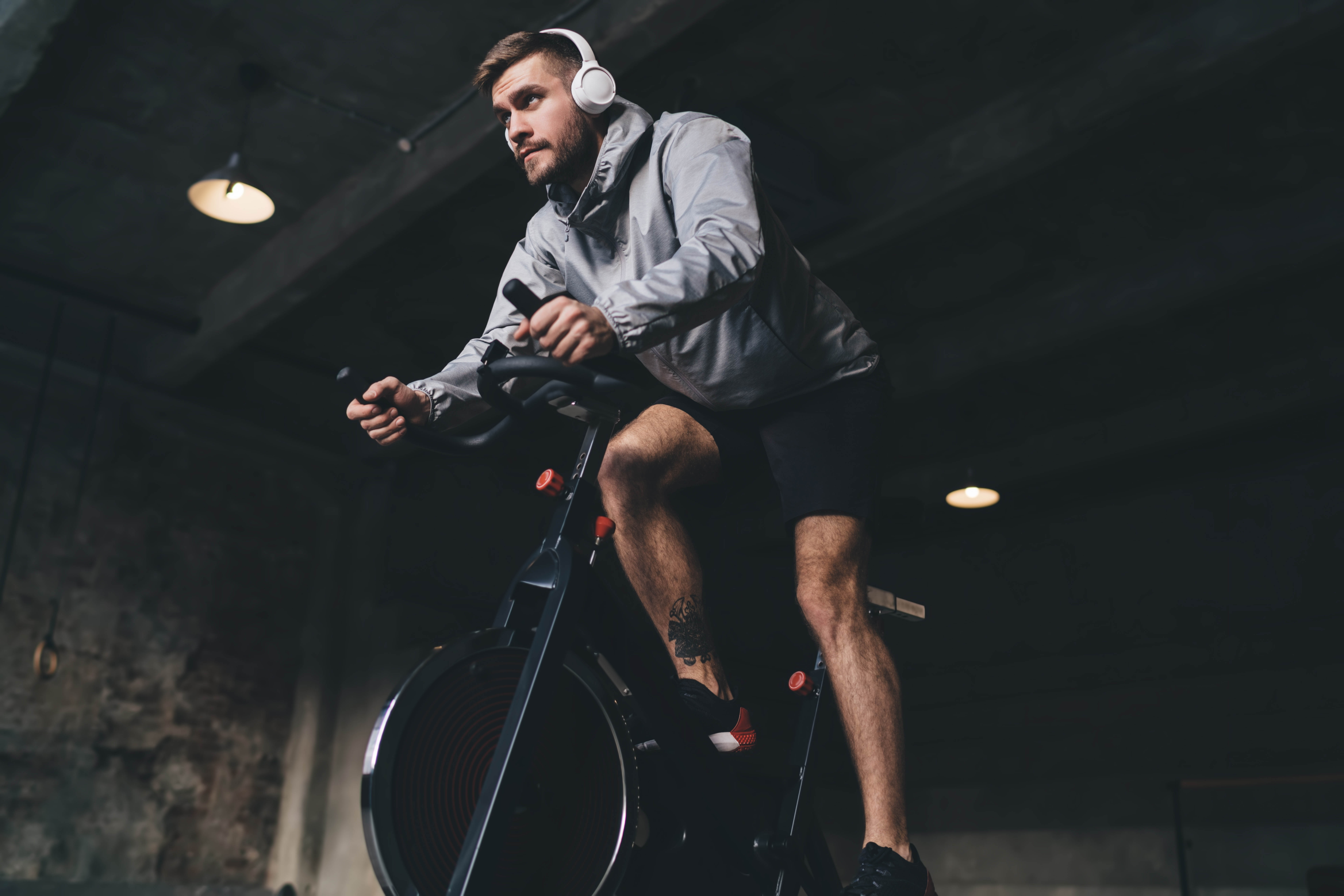
Cycling workouts based on science. We can measure and therefore train you based on your own Functional Threshold of Power (FTP). That means we can help you develop more power and stamina, burn more calories, and improve your anaerobic capacity. All this without having to worry about a car getting too close…
In a nutshell, exercising in our Clubs is going to be more effective, safer, and so much FUN!!!
See you there later today?
21797