Aerobic AND Strength Training for Life
Living Well
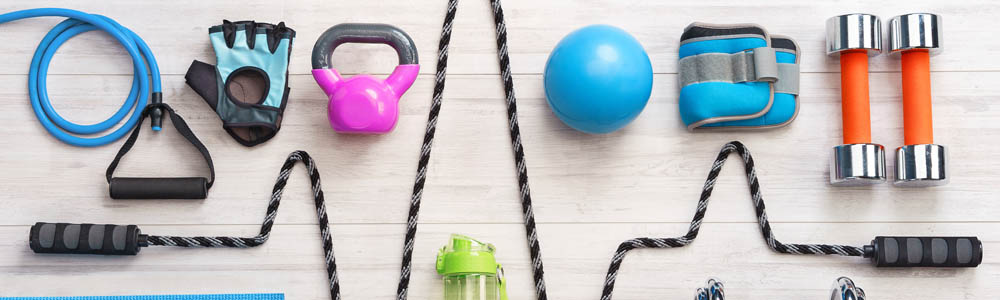
To lift or to run, that is the question: Whether ‘tis nobler for the body to suffer the weight of iron and cables, or to drive arms and legs against the sea and pavement. Need we place them in opposition in the end? Perchance might we embrace them both?

The last thing we need these days is another debate to polarize us - Alex Hutchinson astutely suggests in his recent Globe & Mail article summarizing the findings of a recent review comparing the physical health benefits of aerobic and muscle-strengthening activity. The paper – published in Current Sports Medicine Reports – concluded that each form of exercise offers excellent benefits and that engaging in both is even better.
We’re in complete agreement with this conclusion. And would like to highlight that – beyond impacting longevity – participating in both aerobic and strength training will have a positive impact on your quality of life.
No question, the prospect of more years is alluring. Certainly – as the above study discusses – more years without heart disease, cancer, diabetes, and other health challenges is a win for all. This latter part certainly supports a better quality of life.
What other challenges can impact an otherwise rich, fulfilling life? Loss of strength? Power? Agility? Balance? Memory? Innovative thinking? What about pain? Stress? Depression?
These variables – many of which can be tricker to measure – reflect many of the benefits that we most assuredly are interested in curating and maintaining. Here we highlight some of the latest evidence on how both aerobic activity and resistance training positively impact your mental, emotional, and physical wellbeing.
Get grounded:
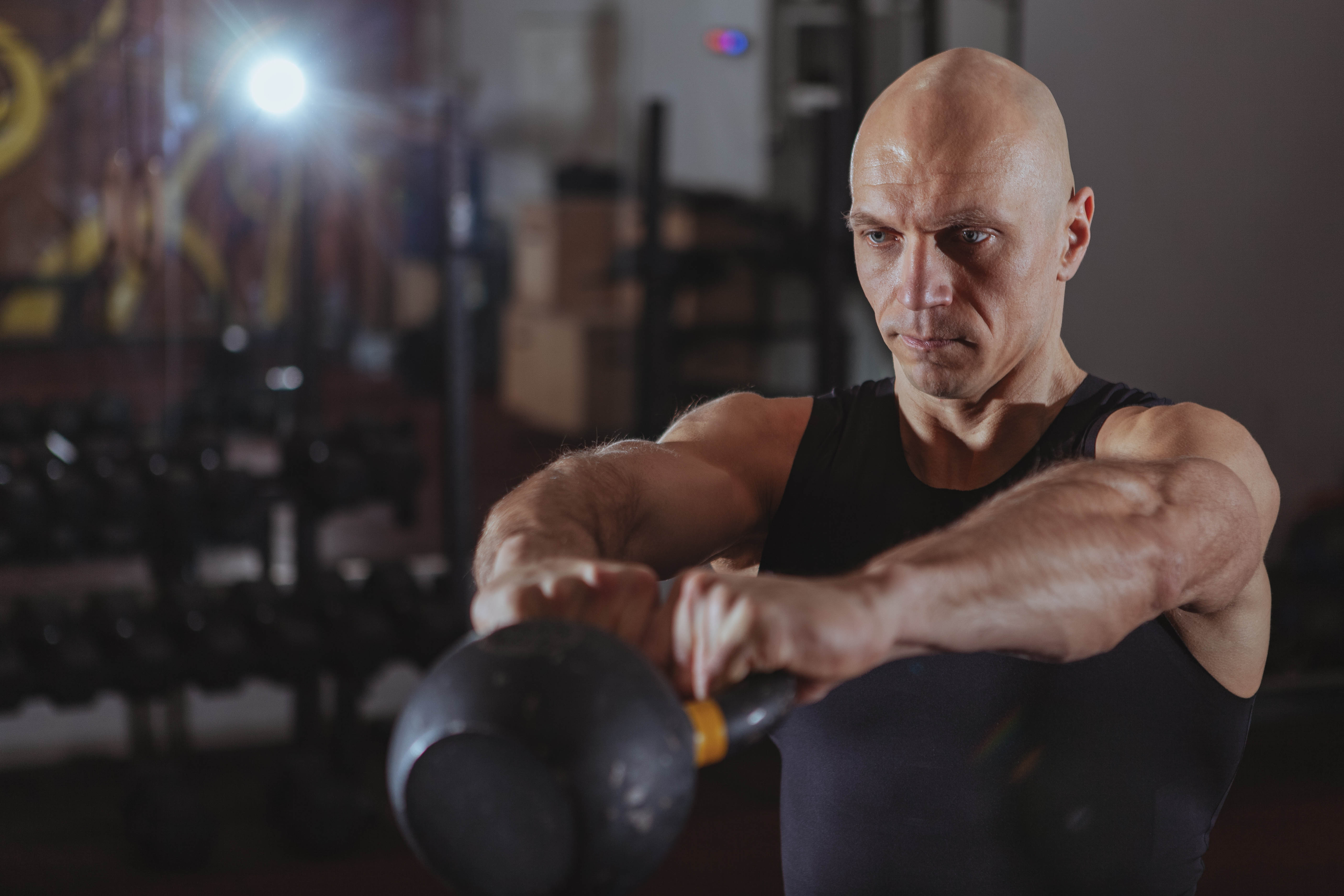
Maintaining or even increasing your muscle mass will support increased strength, energy, and metabolism. Adding in as little as 10 sets of various strength training exercises twice a week can produce those aforementioned benefits. Feeling stronger physically absolutely impacts your mental and emotional strength as well. You’ll tackle your daily challenges head on with a sense of optimism and determination.
Walk tall:
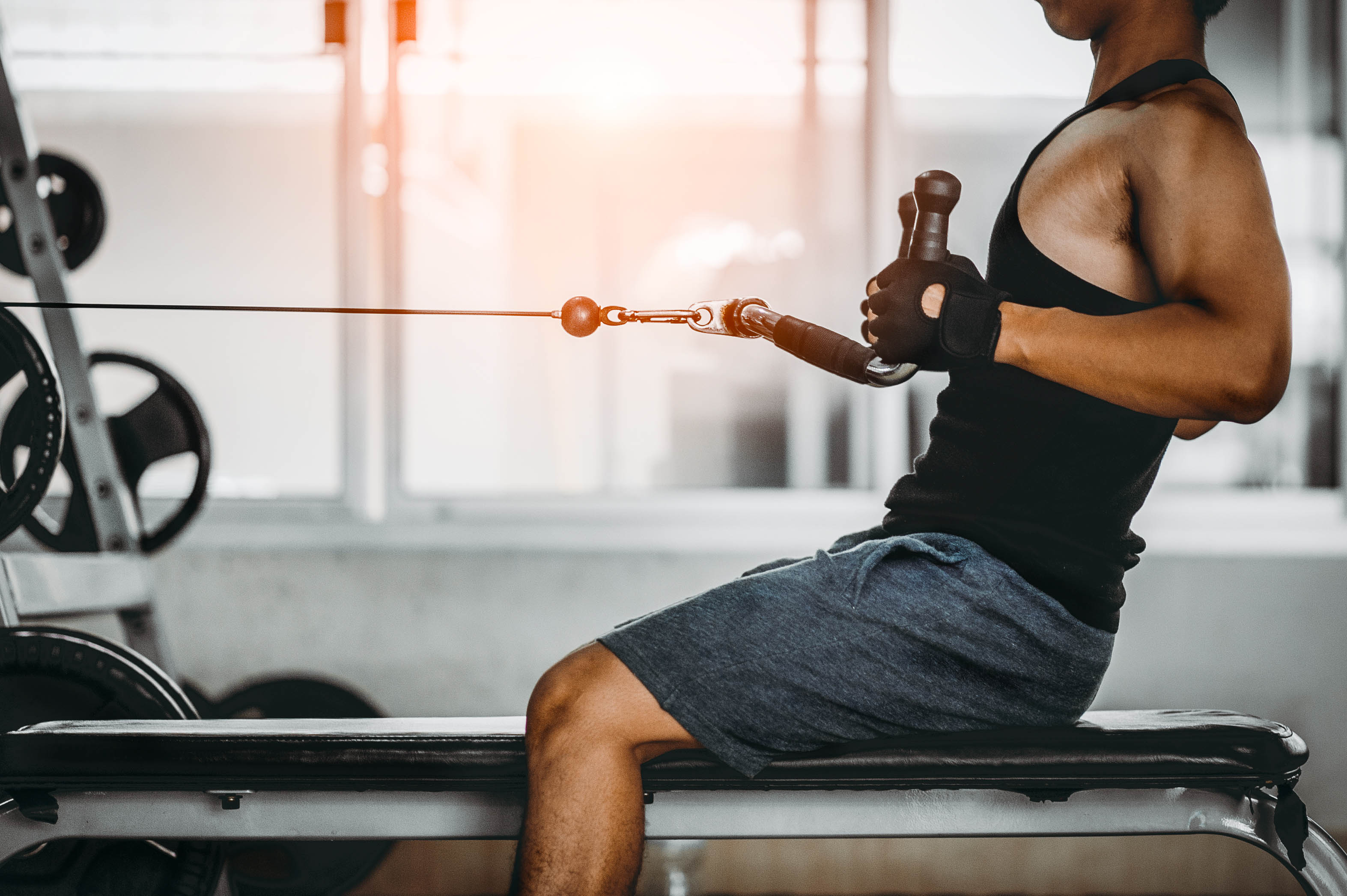
Improve your posture and self-esteem. Strength training your posterior chain – specifically targeting your glutes, back muscles, spine, and core – can help you avoid and even reverse kyphosis – or hunched back – and associated breathing problems and chronic low back, hip, and neck pain. Strength training of all kinds will make you feel better in your own skin.
Stay sharp:
Agility work – including trail running, ladder, and pylons drills – and balance drills like one legged RDLs (Romanian deadlifts) and step-ups, ensure quick physical reaction time and support great mental acuity. Focusing on what muscles are being recruited or being mindful as you move increases Brain Derived Neurotrophic Factor (BDNF) in your brain, decreasing stress, anxiety, and depression.

No pain please:
Cycling, running, swimming, hockey, golf…these are the activities many of us love. Nothing is a better predictor of staying active and enjoying life than being able to continue to do activities we label “FUN”! Careful, progressive strength training can ensure we maintain and improve the integrity of our joints so we can enjoy these activities for as long as possible.

I feel HIGH!
High intensity intervals: 10 second all out sprints, 4 minutes of cycling at your FTP, Tabata drills…add intensity to your cardio work, such that you are pushing your heart periodically to 85-100% of its capacity for a few seconds. As you feel those muscles burn, notice those endorphins kicking in, making you feel like a superhero. And as you push past that anaerobic threshold you increase lactic acid in your muscles and your brain. This combined with that high heart rate facilitates improvements in the integrity and function of the endothelial lining of your blood brain barrier, slowing onset of cognitive decline – including dementia and Alzheimer’s.

Expand your range:
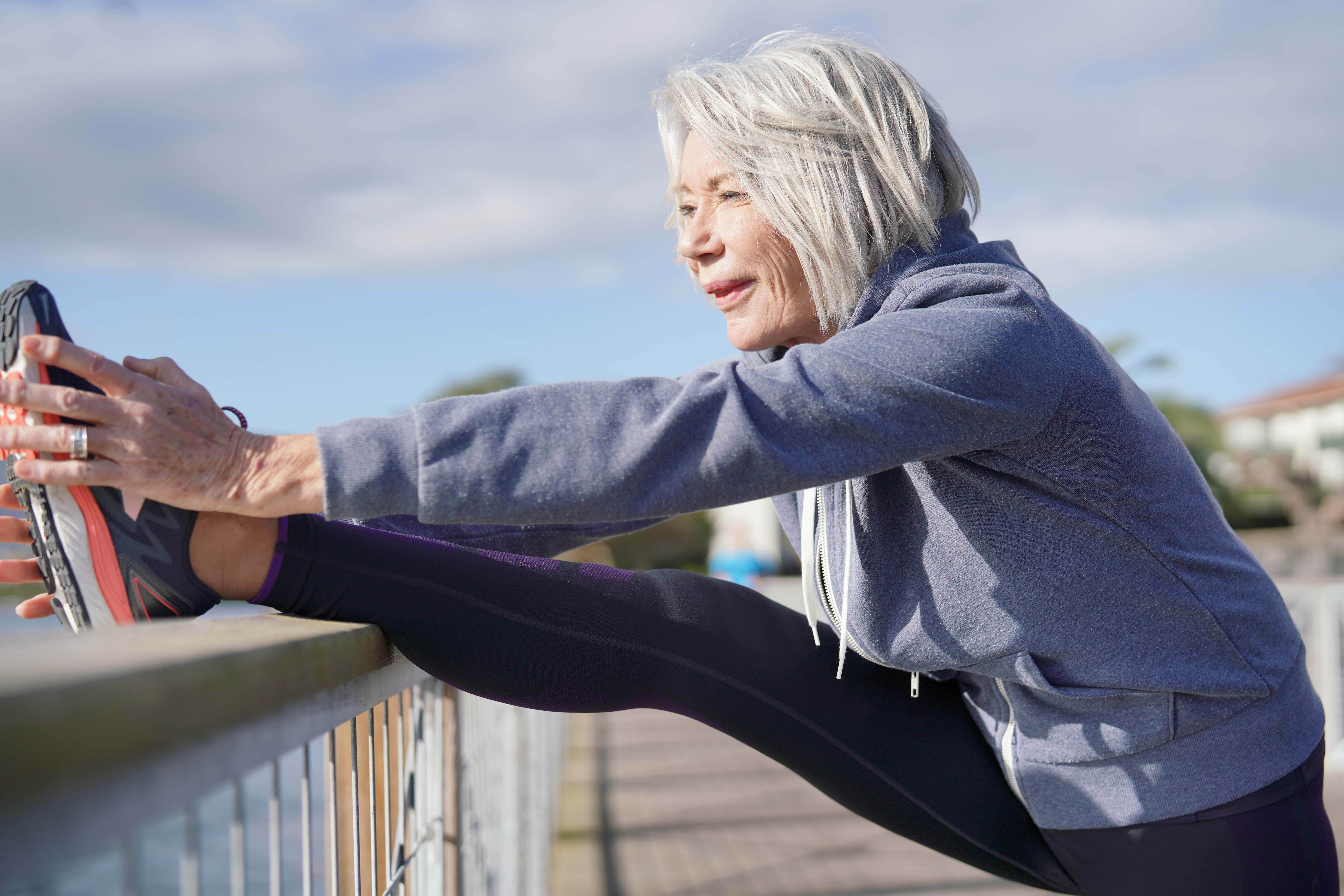
Improve your mobility by accessing and strengthening your end ranges. Mobility drills, isometrics, yoga, tai chi, and slow tempo strength training are all examples of wonderful modalities to accomplish this. These mindful movements encourage neural growth and placidity especially in your hippocampus and prefrontal cortex, improving memory, executive function, and boosting problem solving skills – including helping you find positive coping strategies when you are anxious or blue.
You gotta have heart.
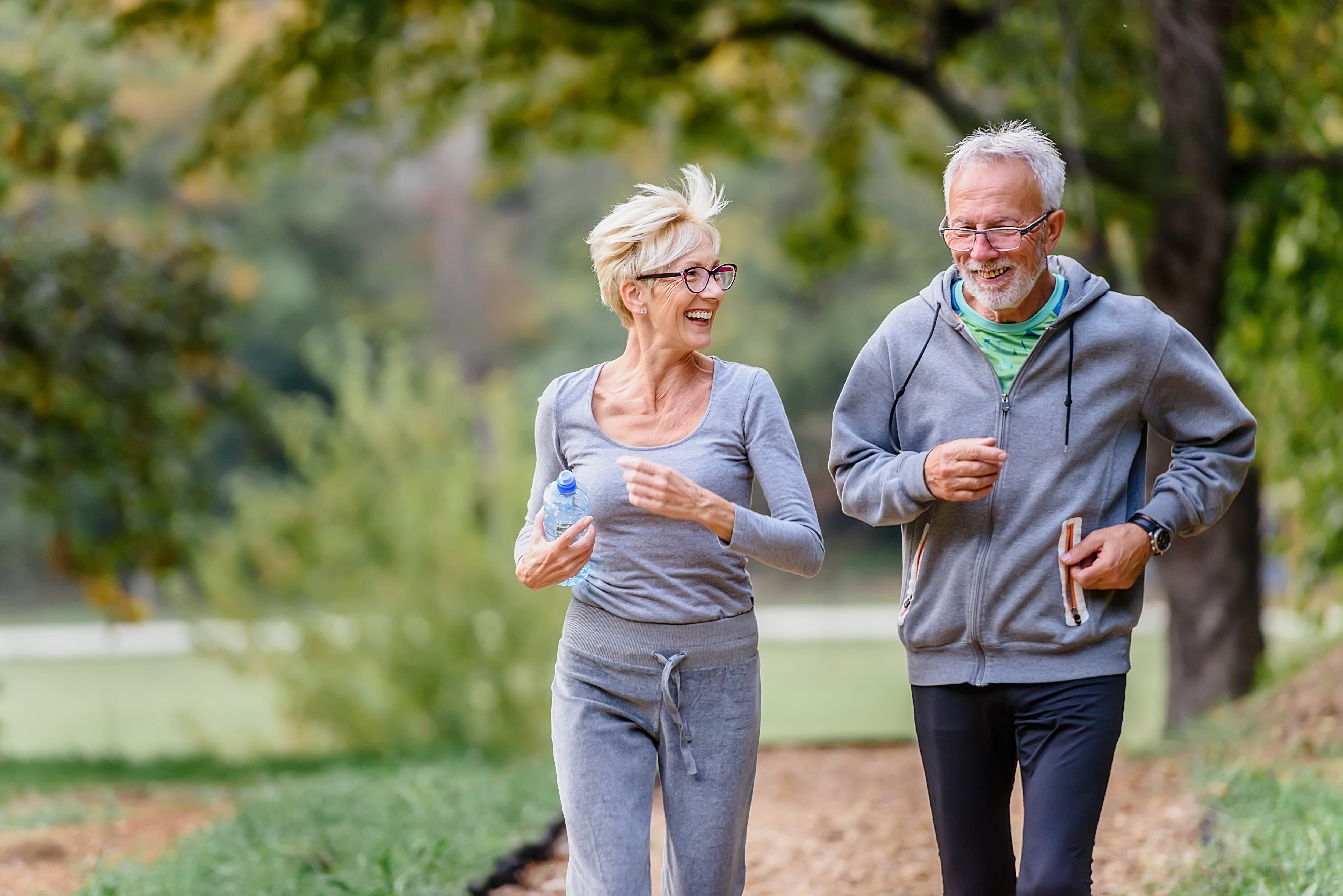
Find an activity you enjoy, one that gets your heart pumping. Playing soccer with your kids, dancing in the kitchen, long bike rides, quick runs or walks along the water. Aerobic activity of all kinds strengthens your heart and lungs making daily activities easier to perform. Improving mood and decreases anxiety potentially even more so when done outside. Our biggest hint: find something you enjoy. The person who chooses fun or rewarding activities is far more likely to continue to engage over the long term. And this my friend – never stop moving! – is the most powerful advice of all.
18817