Why you need to seriously consider creatine supplementation
Living Well

Written by: Meg Sharp, MSc., Fitness & Well-Being Consultant, Cambridge Group of Clubs
Creatine supplements have long been used by body builders and power athletes to boost performance. We are only recently beginning to fully understand the numerous benefits creatine can provide for many. Before I list them all, a quick review of what creatine is…
What’s it all about?
Creatine is an amino acid compound naturally synthesized by the liver, kidneys, and pancreas. 95% of our creatine stores are found in skeletal muscle with the reminder distributed in the cardiac muscle, blood, brain, and testes. Creatine supplementation - specifically in a powdered form known as creatine monohydrate - has been studied extensively over the past number of decades, and is extremely effective in relation to increasing power production in the muscles during high-intensity exercise. It is also considered extremely safe for adults 18 and older. (There is not enough evidence to date to support use safely in those younger than 18).

Effective daily dosage of creatine supplementation ranges between 3.5 - 5 grams per day. And while it can be found in food, the best sources are red meat and fish with a 1kg serving of beef or salmon required in order to proffer the recommended dosage. One kilogram. That’s an awful lot of meat or fish.

Women, specifically, may experience lower natural creatine stores during menses, as well as peri-, during, and post-menopause and may therefore benefit significantly from supplementation.
Now, what are all the interesting benefits from supplement? I’m so glad you asked…
The benefits:
Because it boosts strength and power in your muscles, creatine supplementation will allow you to lift heavier weights, push harder and faster during interval training, and jump higher during plyometric drills. Because it helps you recover faster, you can also fit more sets into a given workout. This is particularly fabulous for us aging athletes as we naturally tend to lose strength and power and need more time to recover as we get older.
Heavier lifts, extra reps, harder intervals? All that leads to increased lean tissue (aka muscle mass) and may decrease fat mass as well. This is particularly compelling for peri- and post-menopausal women who typically experience significant drops in creatine stores, often are challenged by decreased muscle mass and increase adiposity due to hormone changes.
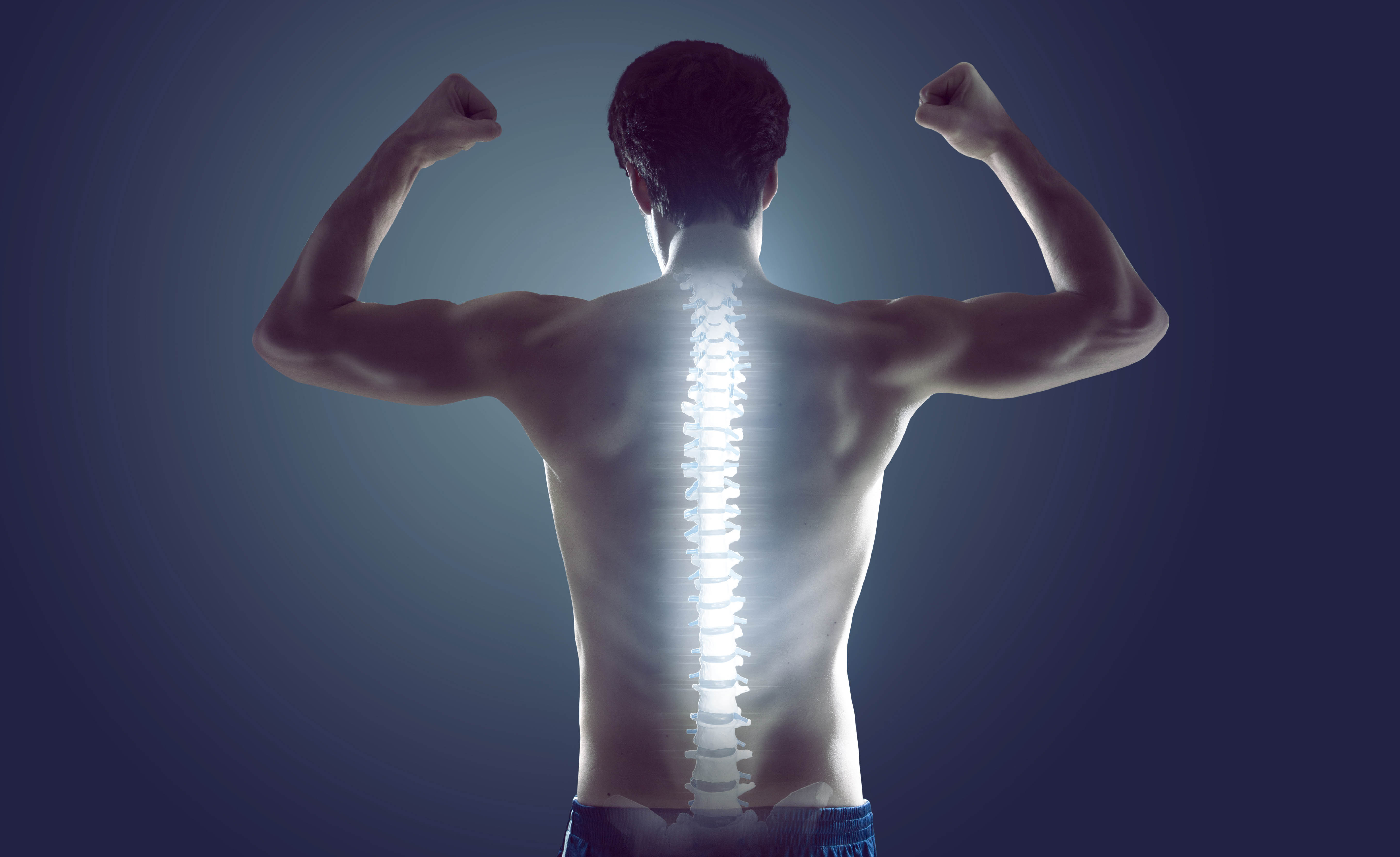
When muscles are contracting more powerfully, they also exert a greater pull on our bones. This means potentially greater bone mineral density as well as bone remodeling that can lead to improved posture, spine, and joint function.
Beyond your skeletal muscle, creatine can enhance brain energy metabolism, modulate neurotransmitters systems, and provide neuroprotection. A recent review highlights that creatine shows great promise in treating symptoms of depression. Beyond restoring energy balance, it may also reduce neuroinflammation and oxidative damage and help people be more resilient in the face of stress.
Stress from sleep deprivation is known to alter brain energetics. As this may be a chronic challenge for some, it is important to note that creatine supplementation may reduce mental fatigue and improve function in this context.
As importantly a well-rested brain may also enjoy benefits including better memory and cognition.

While creatine is thought to have neuroprotective properties, it is not yet established whether or not it plays a role in the prevention or delaying of neurodegenerative diseases. We’ll be sure to keep you posted as that field of study progresses. In the interim, we do know that participating in regular vigorous activity and maintaining a healthy body composition are independently associated with a reduction in the risk of developing dementia. Creatine seems to play a role in supporting both those variables.
Dosage:
You can follow a loading protocol - 20-25 grams split into 4 or 5 equal doses - for 5-7 days. You would then transition to a maintenance dose of 3-5 grams per day.
It’s just as effective to simply begin the maintenance protocol, though it will take about 4 weeks for the creatine to build effectively in your system, at which point you will start to enjoy the benefits.
For some, the loading phase may cause some bloating or stomach discomfort due to relatively larger daily dosage.
The bottom line:
For the majority of adults, taking 3-5 grams of creatine monohydrate per day poses little risk if any. And may create a slew of amazing benefits.

5108