Holidays can be tough. We've got your back.
Living Well

Written by: Meg Sharp, Fitness & Wellbeing Consultant, Cambridge Group of Clubs
It really can be the most wonderful time of the year. Even so, there are moments for all of us that can be frustrating, stressful, even painful. For some, this holiday season may be remarkably challenging.
With your blessing, we’d like to talk a little more about this: Some compelling science about grief, anxiety, and depression, because it can be helpful to better understand the hows and whys of things – including our feelings. And, of course, some really powerful strategies to help you – and those you care about – get through the season, and experience moments of authentic joy.

Important note: We will be exploring feelings of grief, depression, and despair which can be triggering for some. Please take care as you continue to read, and ensure you have a trusted friend or healthcare provider you can reach out to.
Tackling apathy:
Apathy – an often over-looked and underestimated emotion – can be an extremely powerful emotion or reaction that often accompanies depression, grief, anxiety, or stress. Typically defined as a lack of interest, emotion, or energy, apathy can be easily misunderstood as embracing a state of indifference or just not caring. This is typically far from the case.
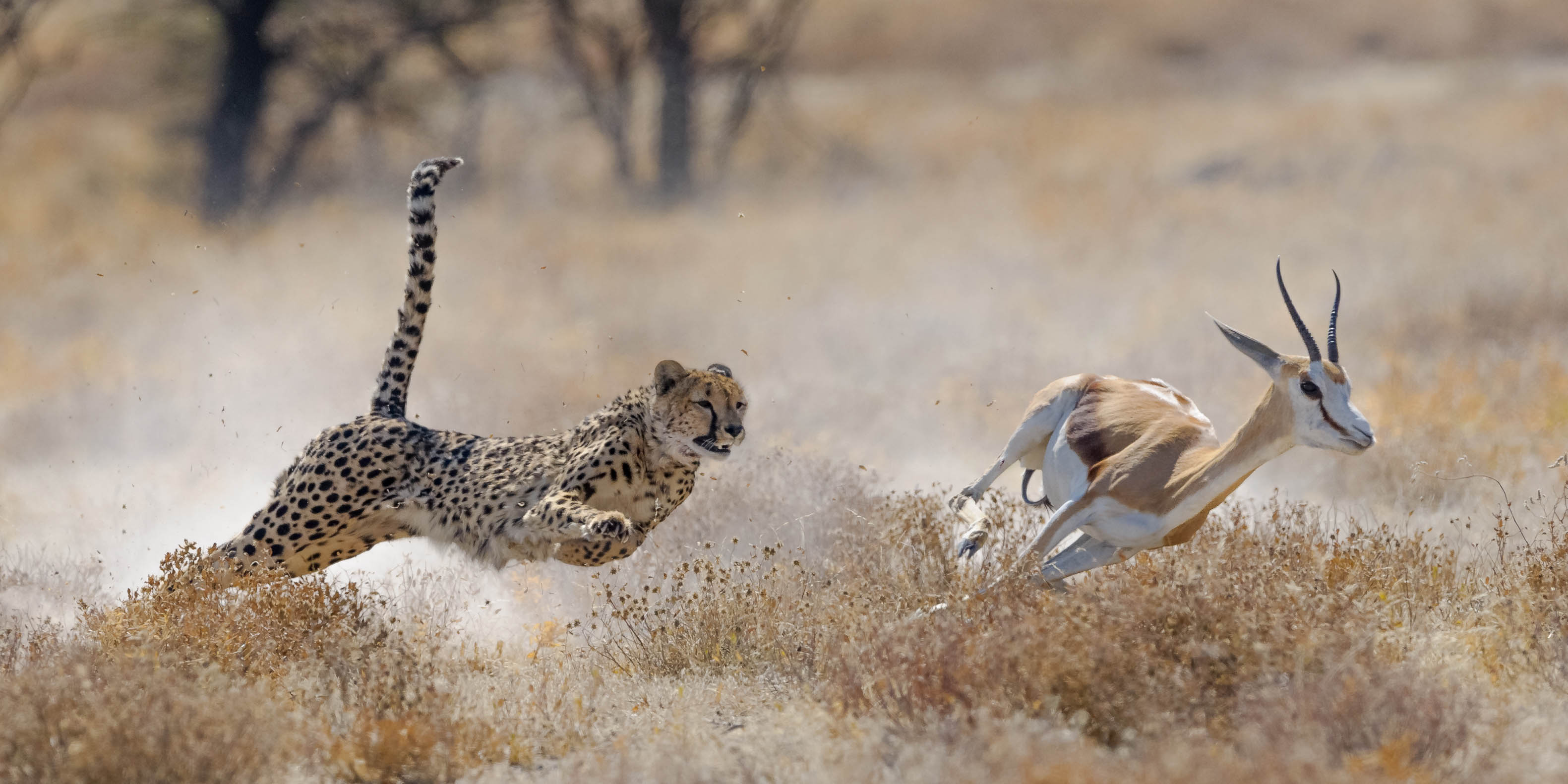
Science segue: Imagine a small vole being stalked by a hawk. The vole – built for survival – hides in a dark place, slows their breathing, and lies perfectly still until the danger has passed. Similarly, a gazelle is being chased by a cheetah. The cheetah catches the hind leg of the gazelle in their jaws. Now wounded – life in jeopardy – the gazelle suddenly goes limp. Plays dead. The cheetah – prey vanquished! – rushes back to the coalition so they may all return and feast.
As human beings, when we are faced with challenging situations, our reaction may be to fight, scream, or run. Sometimes – when the situation or the feelings are overwhelming – we might instead assume a state of extremely low energy. We lie still, slow our breathing, and effectively disengage from our environment. As we seek to protect ourselves, to survive, we take on a state of apathy. So, this is a solid survival tactic? Yes and no.
We need to finish the story: The apathy – if you will – exhibited by our vole and gazelle – is only an immediate, short-term tactic. In order to survive – both creatures need to flee to safe ground. The most robust survival tactic is to head directly to their herd. There is safety and strength in numbers after all. Fresh resources to fight off the predator. Insights on different ways to survive and cope. Caring, compassionate creatures to clean your wounds, nurture your ravaged body and watch over while you rest safely.

I said you.
Not a typo.
You must move from your state of inertia. You need to complete your stress cycle. The feeling of apathy is understandable. Perhaps unavoidable. You are NOT weak, pathetic, incapable. Far from it. You are a survivor.
Step 1: Take a breath. Avoid negative self-talk.
Step 2: Move. Do a thing. Anything.
Science seque: A body experiencing inertia requires an external force to get moving.
If your own inertia is a peaceful state of rest – then bravo. We are all in need of much more rest and recovery than we allow ourselves.
If, however, your inertia feels a little lonely, despairing, grey, or overwhelming, it’s not likely a helpful place to stay.

Your body and your mind need you to move. No marathons or CrossFit workouts required.
Do a thing. Anything. Although it does require a little physical movement. Some engagement. If it’s a wee bit purposeful, that has added power. If it involves connecting with people, it can be a homerun.
Here are a few examples:
Get in the shower. Your brain doesn’t remember your hair is already clean. Wash it again. Bonus points: Use soap containing lavender. MORE bonus points: For the last 2-3 minutes, continue to turn the water colder, colder, colder until it takes your breath away. Try to stand under the chilly waterfall for 30 seconds with the cold on your face or the back of your neck. This is a proven way to stimulate your vagus nerve, reducing inflammation, improving immune system function, inducing positive relaxation and feelings of intense wellbeing.
Call a friend. Make a cup of tea and phone someone who cares about you. Bonus points: Recall a funny story and make each other laugh (vagus nerve!). More bonus points: Have them come over so you can share the tea and laughter in person.

Find a great song. Play it out loud and dance. Bonus points if you sing along. What does singing do? Vagal nerve!
Make cookies or a pot of soup for a neighbour who could use the boost. Take out their garbage. Shovel their walkway. Helping another is one of the most powerful things we can do to make ourselves feel vital. Purposeful. Nothing fights apathy harder than doing something that makes a positive difference.
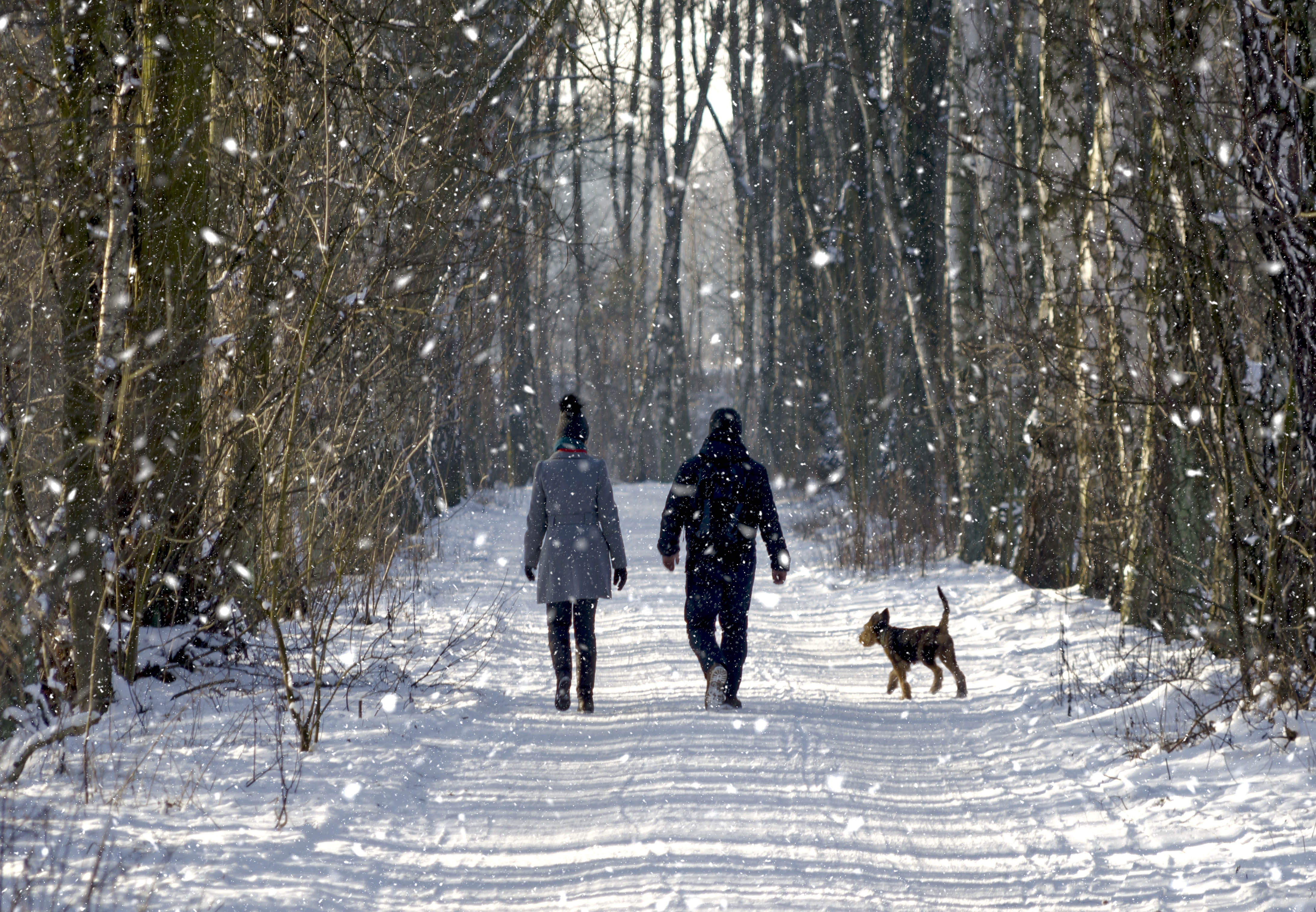
Go for a walk. Just being outside, exposed to natural light can do wonders for your brain and mood. Movement and deep, rhythmic breathing takes the benefit to another level. Bonus points if you bring a dog or a friend. Even more bonus points if you go somewhere you are surrounded by nature. Some experience up to a 60% reduction in stress and mental fatigue when exposed to natural fractals: self-repeating patterns of differing scales, such a tree branches where each one, from trunk to tip, is a smaller copy of the one that came before it. Bark, pinecones, leaves, flowers, snowflakes all exhibit beautiful, dynamic, repeating patterns. The human body is similarly filled with fractals. Some exert that being surrounded by nature, and seeing these fractals, makes us feel grounded, not alone, and part of something bigger than ourselves.
Final thought: If you or someone you care about is struggling, be patient and take gentle action. Acknowledge that states of apathy and inertia are not easy to shake. Yet shake them if you can. Know that even a small thing will help, and then do that thing. Move, sing, walk, breathe, laugh. We aren’t saying it will be easy. We hope it won’t be quite as hard.
4505