Fall into your New Resolutions
Living Well

Written by: Meg Sharp, Fitness & Wellbeing Consultant, Cambridge Group of Clubs
September always feels more like a new year to me than January.
The cool thing about the Summer to Fall transition, is – for many of us – it’s laced with lots of changes: New tasks, schedules, people, and environments and the challenges and opportunities within.
How healthy we are, is, for the most part, based on the additive power of many repeated behaviours and habits. It turns out the most effective time to change and add behaviours and habits – including health-based ones – is during times of change or transition.

Cues and triggers are suddenly very different. As can be the habits and behaviours we tie to them.
Let me try and explain this better with a few specific health-based habits. As you read these, think of your own life: What new habits would you like to add? What changes in your schedule or the people you will be spending time with can help influence (support) these new habits?
Healthy Habit 1: “Eat better”
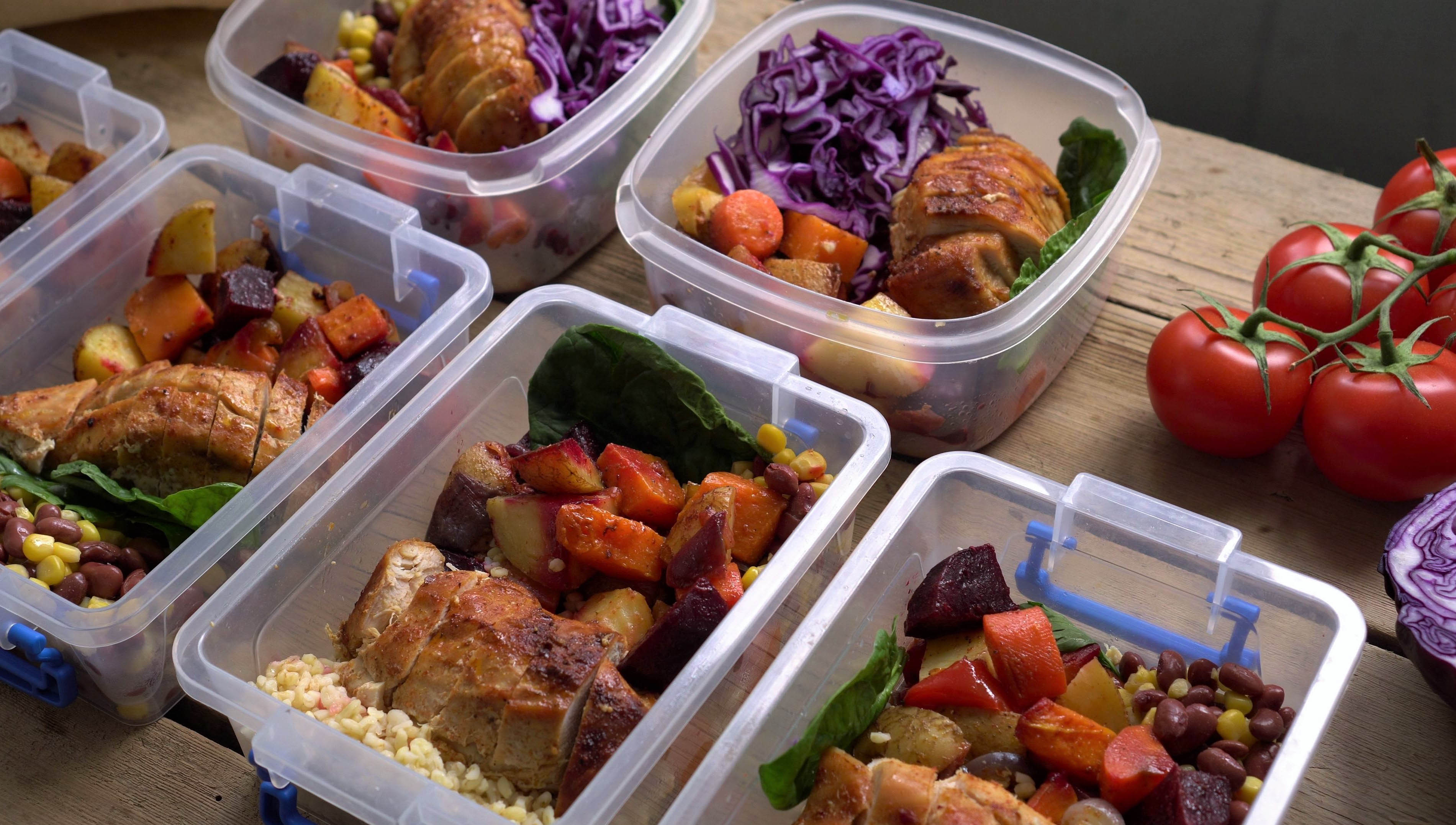
Specific habit: Eat more vegetables and lean protein for lunch.
Triggers/New cues:
- Not driving home from the cottage every Sunday – therefore, we have time to grocery shop for the week.
- Going to the office 4 days a week, so will set up habit to bring lunch 3 of those days
Scaffolding:
- Buy fresh produce and chicken thighs on Sunday afternoon.
- Prep vegetables Sunday afternoon. Cook chicken thighs and quinoa for dinner with enough leftover chicken to last 4-5 lunches.
- Pack vegetables, chicken, and quinoa with various nuts, seeds, and salad dressing on the side before bed on Sunday.
Rewards:
- Increased stamina and energy all day because of the healthy lunch!
- Also: Treat yourself to lunch out once a week. Dinner out if you bring lunch all 4 days.
Healthy Habit 2: “Exercise more”
Specific habit: Add 10-15 minute strength routine or powerwalk each morning.
Triggers/New cues:
- “Earn your morning shower/coffee.” Even if it’s just 4 minutes. MOVE before water/caffeine.
- Put your workout clothing in the bathroom or beside your bed.
- Convince a spouse or neighbour to commit with you. Even if they do something different.

Scaffolding:
- Find/create a strength routine that is effective and enjoyable. Hire a CGOC Trainer for an hour to create something perfect just for you. (We love this kind of thing, and we’re pretty exceptional at it.)
- Doing something every day can be easier, more enjoyable, and effective than trying to do a lot 1-2 times a week.
- Avoid all-or-nothing thinking. Set the goal for 15 minutes with the most important goal being to simply do something. On the occasions you’re tight for time – IT ALL COUNTS. 90 seconds of jumping jacks… then 10 squats, 10 pushups on the bathroom counter… and it’s go time.
Rewards:
- Head into the day feeling less stressed, anxious, and full of creative ideas.
- Also: Treat yourself to a latte on Fridays when you move every morning.
Healthy Habit 3: “Drink less alcohol”
Specific habit: Enjoy no more than 3 alcoholic beverages no more than 2 evenings a week.
Triggers/New cues:
- Determine Thursdays after work and Saturday evenings will be your drinking days.
- Challenge your coworkers to do the same so everyone’s on board to support “dry” lunch and evening meetings.
- Keep alcohol out of sight.

Scaffolding:
- Keep bubbly water in the fridge.
- At the end of a stressful, long day “Hurry up and wait”. Before you reach for a drink – try a few different things to get your stress level down. Go for a quick walk. Make an herbal tea. Have a quick shower. Call a friend to vent or ask them to make you laugh. Stretch. Meditate. Note: we’re trying to create a different reaction to that stress. You may need to try a few different things before something sticks. Avoid all-or-nothing thinking.
Rewards:
- Better quality sleep on the nights you don’t drink. There are more benefits than we can list here!
- Also: Treat yourself to a really great bottle of wine with dinner Saturday. Sip slowly and enjoy!
A few final thoughts:
Start small. While big behavioural change promises big rewards – it also requires lots of time and effort. It’s simply not realistic or sustainable for most. The power of habits is starting small so it’s close to a no-brainer to do if possible. And then you build on each habit as you go.

Be patient. New habits take time to cement. Results from new habits can take a while to really notice.
Be prepared to slip. Self-flagellation isn’t terribly helpful. Reflect on what might have set you up better for success. Tweak the habit itself, the trigger, or the scaffolding if warranted. Most importantly hop back on keep moving forward.
4738